Why Hiring a Dedicated Event Photographer Beats Relying on Phones
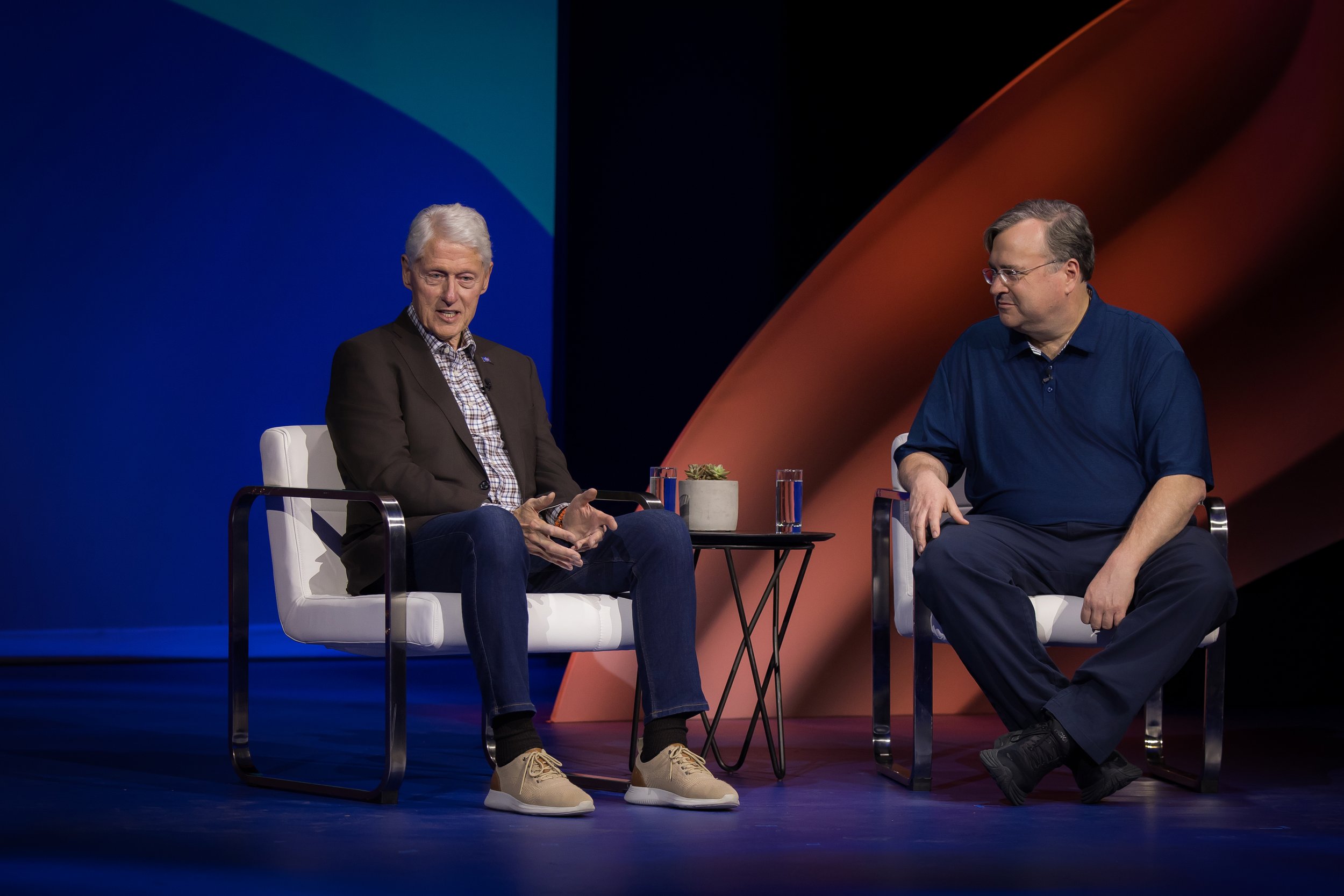
Most teams assume phones will cover “enough” photos until they look back at the gallery after an event. The room felt full, the conversations were lively, the speakers were strong, but the images tell a flatter story. Half the shots are dark, key moments are missing, and the few usable pictures all look like they were taken from the same angle at the back of the room. In a region where Bay Area Event Photography is used for conferences, client dinners, launches, and internal celebrations, that gap is not just cosmetic; it affects how your brand is remembered long after the day is over.
The choice is not about being fancy. It is about deciding whether you want a handful of casual snapshots or a set of images that can support marketing, hiring, investor updates, and future invitations. A dedicated photographer gives you that support in a way that phones, no matter how good, rarely can.
Why Phones Fall Short
Phones are excellent at what they are built for: quick, personal moments. They are not designed to quietly document a complex event while you are also trying to host, present, or network. When everyone is responsible for “getting a few photos,” no one is truly responsible.
Common issues with phone only coverage include:
Important moments missed while people are distracted or talking
Inconsistent angles, lighting, and framing from one image to the next
Too many crowd shots and not enough clear faces or details
Blurry or grainy photos from low light rooms and fast movement
For internal chat threads, this may be fine. But for a launch, summit, or client event where you need polished coverage later, those gaps show up fast. A gallery meant to support a campaign ends up feeling more like random proof that the event happened, rather than a clear story about why it mattered.
What Dedicated Pros Do
A dedicated Event Photographer San Francisco based approaches the same room with a completely different mindset. Their job is not to “grab a few nice pictures.” Their job is to understand the flow of the event, anticipate key moments, and translate that into a usable visual record.
That usually means they:
Walk the space in advance to find strong angles and backgrounds
Learn the schedule so they are in position before major moments start
Prioritise speakers, sponsors, leadership, and key guests on a shot list
Capture a mix of wide room shots, medium interactions, and close details
This is not about being intrusive. A good photographer moves quietly, reads the room, and works around conversations rather than cutting across them. The result is coverage that feels intentional and complete, rather than a handful of lucky frames.
Planning For Real Usage
One of the biggest differences between phones and a dedicated photographer is the conversation that happens before the event. People booking Bay Area Event Photographers often start by talking about where the images need to live over the next six to twelve months, not just the week after.
A simple planning discussion might cover:
Which teams will use the images: marketing, HR, sales, PR
Where they will appear: website, LinkedIn, press outreach, internal decks
Any must have shots: leadership together, sponsors, new product moments
Out of that conversation, you can shape a post event brand image planning guide that ensures you are not just “taking pictures,” but creating assets your teams can confidently reuse. When this is done well, one event can fuel campaigns, case studies, and recruiting materials long after the last guest has left.
Handling Light And Motion
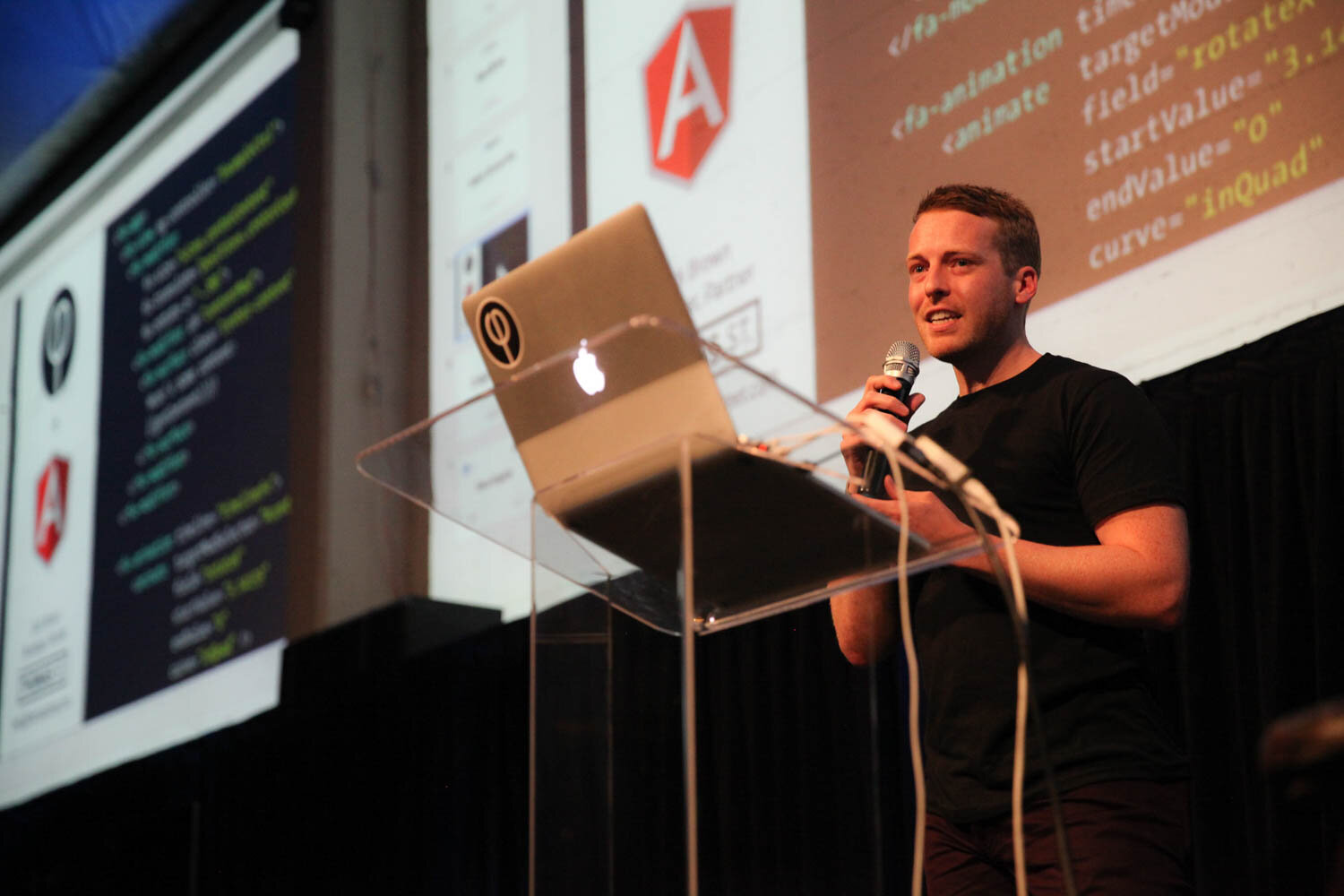
Event spaces are rarely built with photography as the priority. Light can be dim, mixed, or constantly changing. Speakers move, guests move, and the most interesting interactions often happen in corners or between formal sessions. Phone cameras have improved, but they still struggle with noise, motion blur, and colour shifts in these conditions.
A dedicated photographer brings both equipment and experience to handle this. They can:
Balance different light sources so skin tones look natural
Freeze motion during fast moments like applause, demos, or performances
Use lenses that compress busy backgrounds so people stand out
Adjust quickly as the room moves from presentations to networking
Good Bay Area event storytelling photo coverage does not just record what was on stage. It shows how the room felt, how people reacted, and what kind of energy your brand creates. That level of nuance is very hard to achieve when you are also trying to run the event from your phone.
Protecting Guest Experience
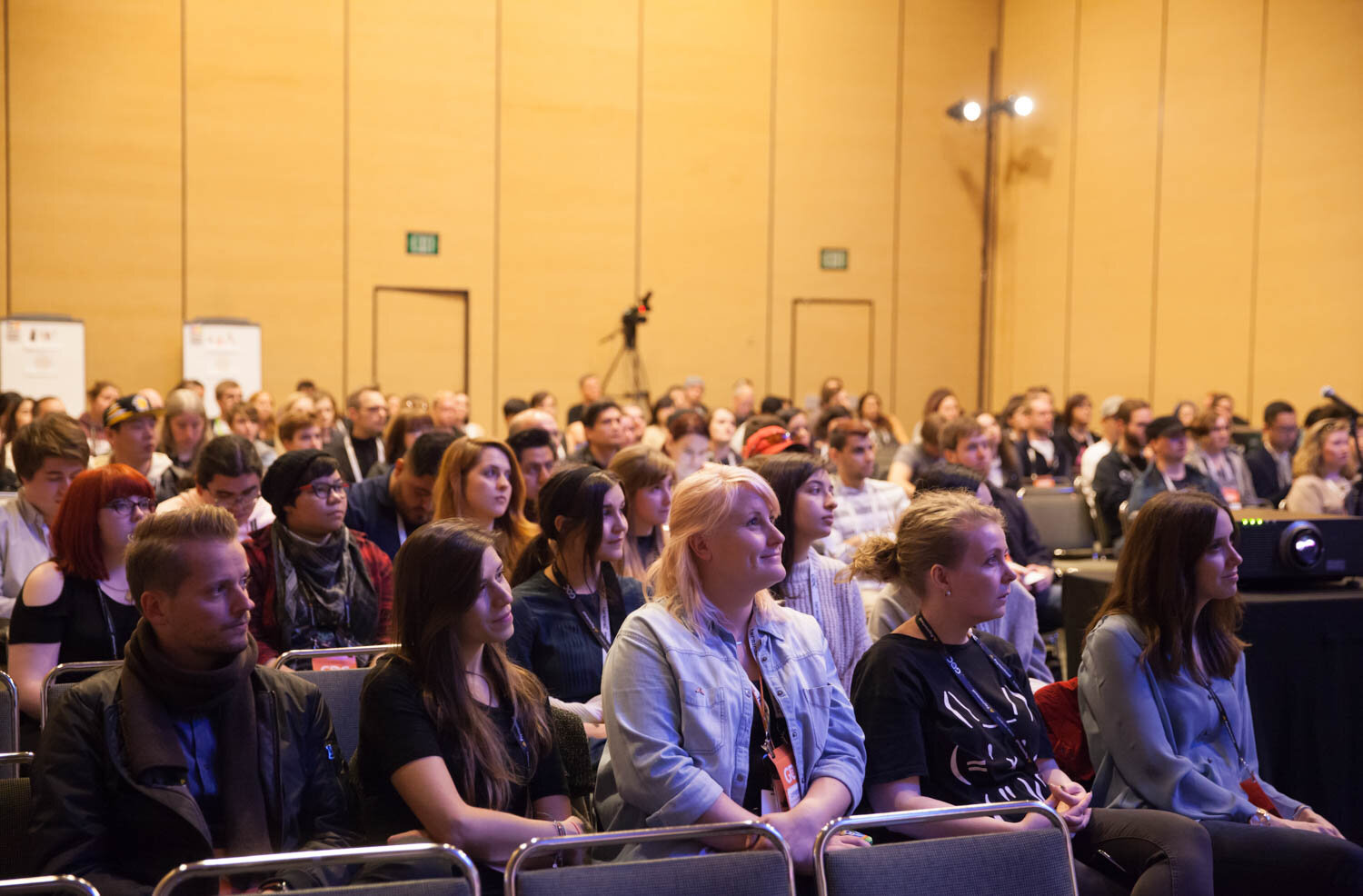
There is also a social cost to relying on guests and staff for photos. When you quietly assign “photo duty” to people who are supposed to be hosting, they end up split between their actual role and their camera roll. Guests may feel like they should pull out their phones instead of being present. Over time, that can make events feel more transactional and less like genuine gatherings.
A dedicated photographer helps protect the experience by:
Letting hosts focus on welcoming, connecting, and leading conversations
Allowing guests to stay present rather than worrying about documenting
Creating a predictable, respectful rhythm of coverage instead of random flashes
People relax more when they know someone else is looking after the record. They trust that the speakers will be photographed, that important partners will not be forgotten, and that they will not need to stop mid conversation to stage a moment themselves.
When Should You Upgrade?
You do not need a dedicated photographer for every single meeting or informal gathering. Phones are still useful for small, internal moments or casual check ins. But there are clear signs that it is time to move beyond that.
It is worth upgrading when:
The event is tied to a major launch, announcement, or milestone
Sponsors, investors, or senior leadership are involved
You will need images for press, hiring, or long term marketing
Past phone only coverage has left you disappointed or scrambling
If you recognise these patterns, it is a sign that the stakes of the images have risen. At that point, treating photography as a proper line item in your planning, rather than an afterthought, becomes part of doing the event well, not a luxury.
Turning Coverage Into Assets
The real difference between relying on phones and hiring a dedicated photographer often shows up months later. Phone images usually live in a shared folder, are used once or twice, and then quietly disappear. Professional coverage, when planned and delivered well, becomes a library you return to whenever you need to show what your brand looks and feels like in motion.
At Slava Blazer Photography, we build this thinking into how we approach each event. We take time to understand your schedule, your priorities, and how the images will be used long after the room is cleared. On the day, we work calmly in the background, combining planned shots and candid moments so your gallery feels both complete and human.
Our aim is simple: to give you event photographs that you can confidently use across campaigns, pitches, recruiting, and future invitations, images that make it clear why having a dedicated photographer was worth far more than a handful of phone shots.
Some Q&As
Are phone photos ever enough for an event?
Phone photos can be enough for small, informal gatherings where you only need a few images for internal updates or chat threads. They work best when there is no expectation of using the pictures in marketing, press, or long term brand materials. Once an event has external visibility or lasting value, relying only on phones becomes risky.What should be shared with a photographer before the event?
It helps to share the schedule, venue details, rough guest numbers, and any must have moments or people. Let the photographer know where the images will be used and which teams need specific types of shots. A simple list of priorities and sample references can go a long way toward aligning expectations.How soon should an event photographer be booked?
Ideally, an event photographer should be booked as soon as the date and venue are confirmed, especially during busy conference or holiday seasons. Early booking increases the chance of securing someone whose style matches your needs and gives enough time to walk through goals, logistics, and any sensitivities around privacy or branding
