A Practical Checklist for Planning Event Photography That Actually Works
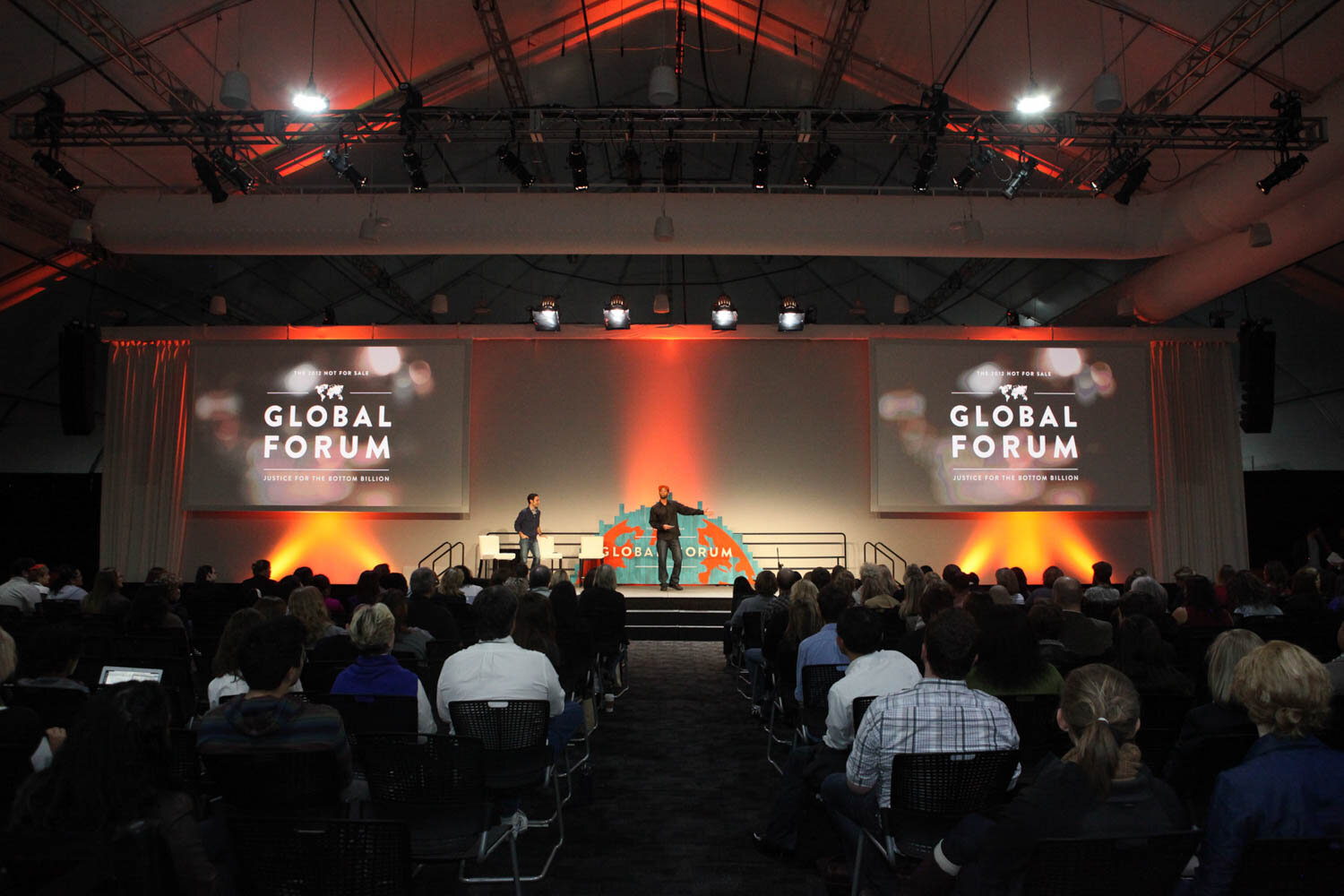
There is almost always a moment, a week or two before an event, when someone looks at the timeline and quietly asks, “Are we covered for photos?” By then, the venue is fixed, speakers are confirmed, and invites are out, but the visual side still feels fuzzy. In a region where Bay Area Event Photography is used for conferences, summits, leadership retreats, and client dinners, that uncertainty can cost you important moments.
A simple, honest checklist removes that guesswork. Instead of hoping the camera “gets a few nice shots,” you know what the images should do for your brand, your internal teams, and your guests. This guide is written to feel like a real planning companion, not a theory piece: something you can keep open while you finalize details and make sure the photography plan works as hard as the rest of your event.
Begin with clear goals
Before you think about lenses, think about purpose. Every event is trying to do something specific, even if it is not written down. A customer summit has different needs from an investor evening. An internal off-site feels different from a public product launch. If you are not clear on what this gathering is meant to achieve, the photos will feel unfocused too.
It helps to answer a few straightforward questions with your team:
Who should be able to use these images later: leadership, marketing, HR, PR?
Where are they likely to appear: decks, the website, LinkedIn, media outreach?
Which moments would you regret not seeing later if they were missed?
Once this is on paper, you are not just “booking a photographer.” You are building a San Francisco corporate event photography planning checklist that supports real, long term use.
Turn goals into structure

With the “why” clear, you can translate it into a structure your photographer can act on. The goal is not a rigid script but a shared direction: a sense of what matters most and what is “nice to have” if time allows.
A useful way to think about it is in three layers:
Scene setters
Wide shots of the room
Exterior shots that show the venue and location
Key interactions
Speakers on stage with visible branding
Guests talking at tables, in hallways, or during breaks
Details and texture
Signage, name tags, gifts, displays, sponsor elements
Real examples help you decide. If you are hosting a product launch, you will want clear views of the product itself, people trying it, and reactions in the room. For a nonprofit gala, you might prioritize donor conversations, auction energy, and portraits of honorees with supporters. The structure stays the same; what fills it shifts with your goals.
How should you brief?
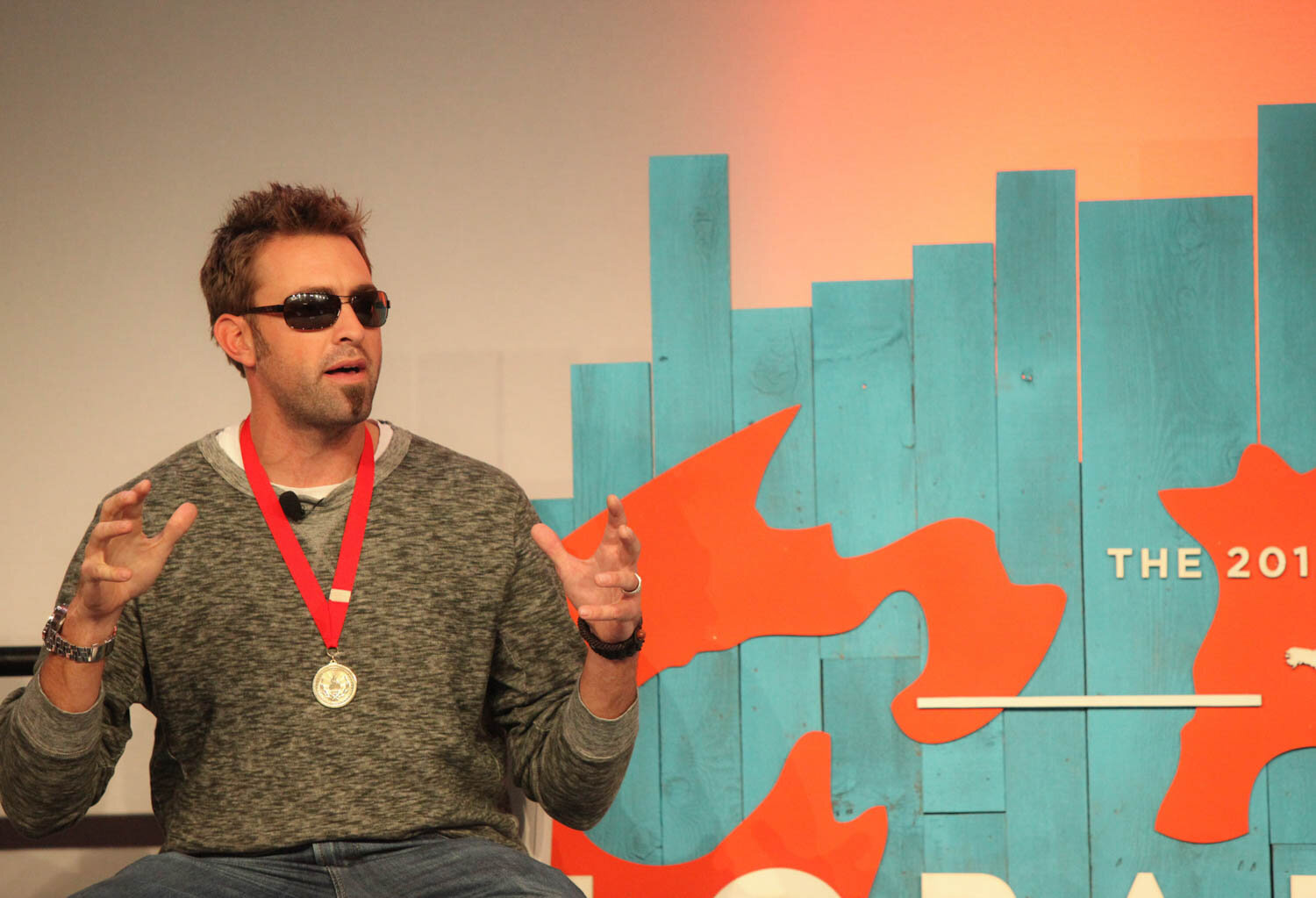
By the time you reach out to an Event Photographer San Francisco based, you likely know your date, venue, and rough headcount. What makes the brief truly useful is everything just beyond those basics.
Photographers work best when they understand context, not just logistics. It is worth sharing:
A draft schedule with approximate timings for major moments
A list of key people (by name and role) who must be clearly documented
Any privacy or media concerns, such as guests who should not appear in public-facing images
A few example images that feel close to the tone you want, even if they are from past events
This kind of brief invites collaboration. Instead of simply turning up and reacting, the photographer can suggest things like a short window for leadership portraits, an ideal spot for group photos, or a better angle for the stage that avoids distracting backgrounds.
Map space and timing
Photos are shaped heavily by layout and timing. A single ballroom with a stage is one thing; a conference spread across a main hall, breakouts, a terrace, and an expo area is something else entirely. You do not need architectural drawings to plan well, but you do need a sense of how people will move.
Sit down with the schedule and a simple map and ask:
Where do guests arrive and check in?
Where will they naturally pause for conversation?
When do sessions overlap, and can one person reasonably move between them?
Noting details like “doors open during sunset on the terrace” or “panel ends right before the expo starts” helps you anticipate where the strongest images might happen. It also helps you decide whether one photographer can handle everything or if you should plan for a small team so coverage does not feel rushed or thin.
Using extras like booths
These days, many organizers pair candid coverage with interactive elements. A well-placed Bay Area Photo Booth can do more than entertain; it gives guests a controlled space to relax, pose, and walk away with a polished image they chose themselves. That can live alongside your event coverage without competing with it.
If you decide to add a booth, treat it as part of the visual plan, not something tacked on at the last minute. A simple Bay Area event photo booth planning guide might suggest you:
Avoid placing the booth directly in main walkways, to prevent lines from blocking signage
Position it near, but not inside, the busiest areas so people can find it easily
Reserve small slots for teams, speakers, or partners who definitely need group photos
When the booth and roaming coverage are coordinated, they feed the same story: unscripted moments around the event plus more intentional portraits guests are proud to share.
Plan for life after
It is very easy to think about your photos only in terms of the recap email that goes out a few days later. In reality, the most useful images tend to be the ones that quietly show up months later: in a pitch deck, on a careers page, in an investor update, or in a “save the date” for next year’s event.
To make that possible, think about variety and longevity:
Ask for a mix of wide, medium, and close up shots so designers can crop and place them flexibly
Make sure a few images avoid specific dates or seasonal décor, so they feel timeless
Consider partners and sponsors who might appreciate a small selection for their own channels
Clarity around delivery matters too. Agree on how images will be organized, when you will receive them, and what resolution you need for web versus print. A clear system means your team can actually find what they need instead of digging through dozens of folders in a rush.
Making the plan work
When the last guest leaves and the room goes quiet again, the chairs get stacked, signage comes down, and the space returns to its usual life. What stays with people is the feeling of the event and the few images that keep resurfacing afterward. A thoughtful checklist means those images are not random; they line up with why you planned the gathering in the first place.
At Slava Blazer Photography, our team treats event coverage as a partnership rather than a simple booking. We listen carefully to what the event means to you, study the spaces and schedule, and then work calmly in the background so you do not have to worry about what is being missed. The aim is simple: a set of photographs that feel honest to the day, useful to your teams, and strong enough to support your brand long after the lights in the venue have been switched off.
Some Q&As
When is the best time to hire an event photographer?
It’s easiest for most organizers to book once the venue and date are set and there’s at least a framework of an agenda. That block of time allows for conversations about objectives, a walk of the layout if necessary, and a discussion on how much coverage is appropriate. For peak periods, such as conference seasons (spring or autumn) and end of year, you should book a photographer 2–3 months before the event.What info should I prepare in advance when I request an estimate?
Information about the date, where your event is taking place, how many guests are expected, and rough timings of the day, particularly if there’ll be anything significant happening at a certain time, like speeches or presentations. It also helps to share who the event is for, where the photos will probably be used, and any sensitivities related to privacy or media. With that knowledge, a photographer can make a more informed recommendation and provide you with a truer estimate.What can organizers do to put guests at ease in front of the camera?
Guests tend to loosen up when the photography seems respectful and predictable. Continually letting people know ahead of time when there will be professional coverage, allowing the photographers to stay out of the way during the actual discussion, and offering polite guidance only if it’s necessary is huge. Making an optional space like a booth or small portrait corner is great because the people who like getting their picture taken have somewhere to go, and the ones that don’t can just keep on dancing, and they’ll end up being in the photos anyway, but more candidly.
