How to Turn a Loose Idea Into a Clear Video Brief for Your Team

Most videos inside a company start with a vague thought, not a detailed plan. Someone says, “We should really have a video for this launch,” or “Couldn’t we just explain this in a short video instead of a long document?” The idea makes sense, but it is still too soft to hand to a creative team. If you skip straight from that moment to filming, you usually end up with a piece that feels busy, unfocused, or hard to approve. In a market where Video Production In San Francisco is used for launches, fundraising, hiring, and internal communication, that is an expensive way to work.
A clear video brief does not kill creativity; it gives it a practical frame. It turns loose thoughts into something your team, your stakeholders, and your production partner can actually use. The aim is not a perfect document. It is a shared understanding of why the video exists, who it is for, what it needs to say, and what is realistically possible.
Start with the idea
Before you try to shape anything, sit with the rough idea and make sure you really understand it. Usually, someone is reacting to a real gap: customers are still confused about one feature, the sales team has nothing visual to open conversations, or the leadership team wants a clearer way to share a change of direction.
At this stage, it helps to keep things simple and talk in normal language. Ask questions like:
What feels missing or frustrating right now?
Who keeps asking for this explanation?
What moment made someone finally say, “We need a video”?
You are not writing a script here. You are collecting raw material. By the time you write it down, you are already close to a San Francisco marketing video brief for teams, built on what people actually experience rather than abstract assumptions.
Understand real goals
Once the basic problem is clear, narrow it down. A single video cannot solve every challenge for sales, marketing, HR, and leadership at the same time. Trying to do that is a sure way to end up with something long and confusing.
Ask the team to choose one or two main outcomes. For example:
“We want new visitors to grasp our core offer in under two minutes.”
“We want existing customers to understand a new feature and feel confident using it.”
“We want candidates to get a realistic sense of our culture before an interview.”
If your group cannot agree, that is a signal the idea still needs internal discussion. It is better to work through those differences now than to fight about direction once a draft edit is already on screen. Clear goals are the anchor for every other decision in the brief.
Shape a simple message
With goals in place, you can decide what the video actually needs to say. A Videographer For Business is not just there to capture nice images; they are helping you communicate something specific to a specific group of people. That work starts with the message, not the camera.
A practical way to get to the core is to write down:
Who the primary audience is, in one sentence
What they already know when they press play
What they most often misunderstand or struggle with
One key idea you would like them to remember the next day
You do not need polished lines yet. You do need a clear spine the script can follow. When that spine is written down, it becomes much easier to decide which scenes, interviews, or examples support the message and which can be saved for another piece of content.
What belongs in it?
Once the message is clear, you can sort ideas into what must be in the video and what can stay out. Teams often arrive with long lists of points they “hope to mention,” but audiences rarely have patience for that.
It can help to group content into three simple buckets:
Essential
Without this, the video does not make sense
Tied directly to the main goal and message
Helpful
Adds depth or reassurance
Useful if time allows and pacing stays comfortable
Nice to have
Interesting details better suited to follow up content
This sorting process feels basic, but it stops the video from becoming a slide deck read aloud. It also gives your writers and creative team clear guidance on what to prioritize when time, budget, or attention are limited.
Capture the practical details
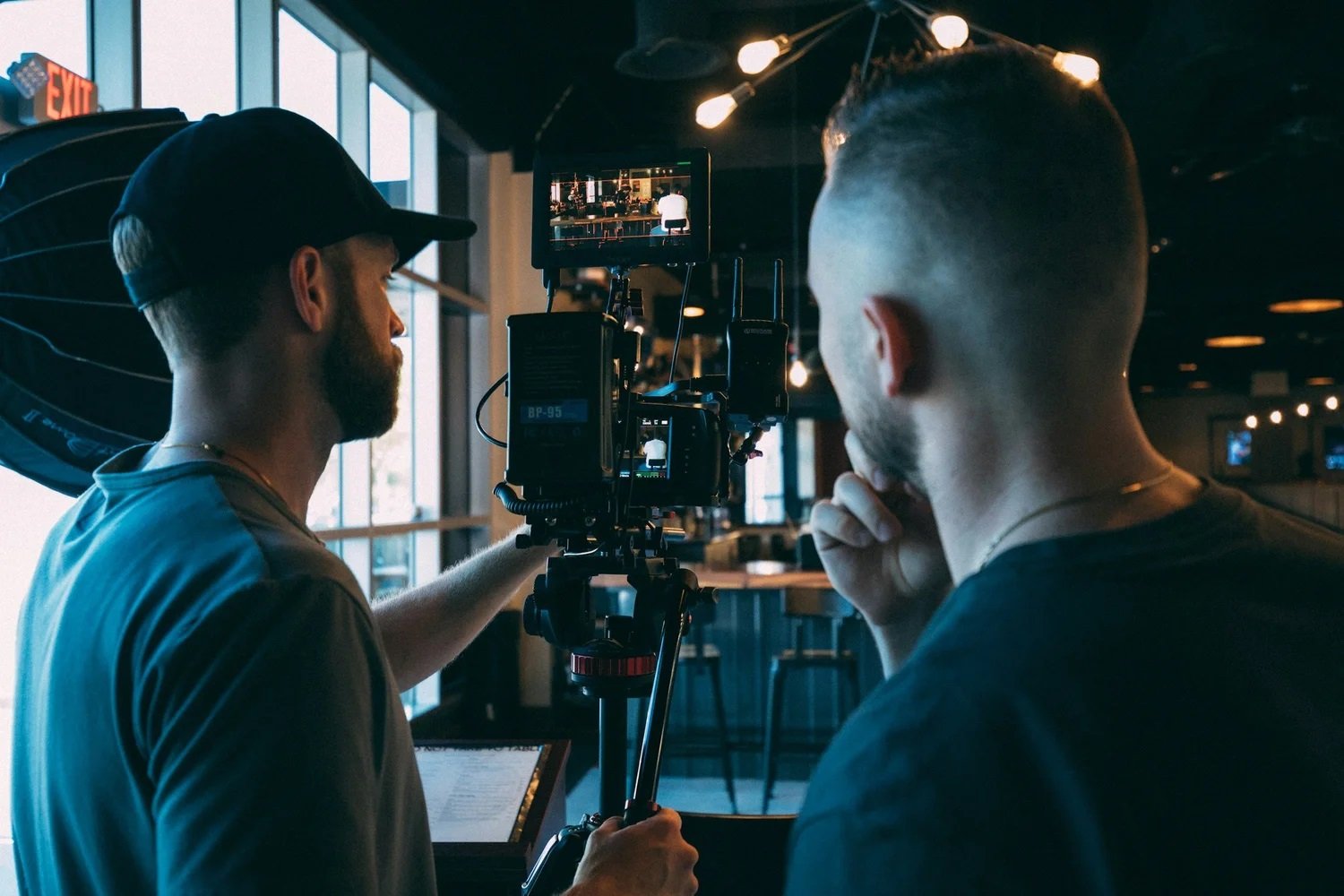
Many projects struggle not because the idea is weak, but because practical information stayed scattered in different emails and conversations. A good brief pulls those details into one place so no one has to keep asking the same questions. Teams planning SF Bay Area Video Production quickly see the value of this.
Your brief should calmly capture things like:
Approximate length and main platforms where the video will live
People who need to appear on camera and how comfortable they are speaking
Locations that are realistic, considering sound, light, access, and permissions
Any topics, areas, or visual elements that must be avoided
Agreeing on these points early makes planning days, casting decisions, and location choices far smoother. It also gives your production partner enough context to make sensible suggestions instead of working from guesswork.
Align your internal team
A brief only works if the people who will later approve the video actually recognize their own priorities in it. Before you involve an external partner, share the draft internally and leave room for honest reaction.
You might treat this document as an SF Bay Area business video planning checklist and:
Send it to key stakeholders with a clear request for specific feedback
Ask what feels unclear, unrealistic, or out of step with current strategy
Confirm who will make final decisions on script, visuals, and budget
This step can feel slow, especially when everyone is busy, but it usually saves time later. When people see their concerns and goals reflected in the brief, they are more likely to give consistent, focused feedback once the first cut arrives.
From brief to finished story
By the time cameras roll, everyone who touches the project should already feel that this is more than a file that was written once and then filed. It should take decisions on set discreetly, assist the editor with what is kept and cut, if you’re an executive producer it should give you an unbiased formula to judge whether your final video actually works or not. When this occurs, the process of going from vague idea to completed piece feels intentional rather than, well, chaotic.
Our Videography Department takes this stage as true groundwork for job, At Slava Blazer Photography. We take the raw, sometimes messy ideas clients bring us and collaborate with their teams to mold them into clear shared briefs. From there, we take that empathy through scripting and out into filming it all the way down to editing, so that the final piece fills a real business need rather than filling a content slot for us. It’s a simple goal: a video your audience gets, your team can rally around and your brand feels confident using.
Some Common Questions
What’s the point of spending time to write a full video brief?
A written brief is a common point of reference for everyone. It captures the goals, audience, message and constraints all in one place so people are not operating on different assumptions. After the video is made, compare it to the brief and you’ll be able to clearly see if it is doing what you wanted.Who gets input into the shaping of the brief?
The best input often comes from the people closest to the problem that a video is supposed to solve and someone who understands brand voice. That might be marketing/product/sales/leadership/HR, depending on the project. It's also key to have one person who owns it, collecting all the feedback, making concessions and giving their stamp of approval on the final product.How detailed should a good brief be?
A useful brief does not have to itemize every camera angle, but it should explain why the video is required; who it is for; what needs to be communicated by the content and any hard limits on length, style, locations or timing. That specificity allows your creative or production partner to come in and pitch strong visual ideas while keeping at least one foot firmly grounded in what you actually want.
