Why Hiring a Real Estate Photographer Still Matters in an Online Listings World

Most property searches now start on a screen. Buyers scroll quickly, compare dozens of homes in one sitting, and make early decisions based almost entirely on photos. In that environment, it is tempting to assume a modern phone and a free afternoon are “good enough.” The rooms are there, the angles seem clear, and the images upload without any trouble. But when every competing listing is also online, “good enough” quietly turns into invisible.
A dedicated real estate photographer is not just there to press the shutter. They are there to translate space into images that feel accurate, inviting, and easy to understand at a glance. In a world shaped by fast decisions, that difference still matters. It changes who stops scrolling, who books a viewing, and who keeps your property in the running instead of forgetting it a few swipes later.
Why Photos Still Matter
Even with detailed descriptions and floor plans, most buyers decide whether to click through based on the first few images. Those photos set expectations about space, light, and condition long before anyone reads a line of text. When they are unclear, dark, or confusing, people often assume the property is not worth the effort.
Strong listing photos quietly help buyers:
Understand how rooms connect to each other
Get a realistic sense of light and scale
Picture their own furniture and daily routine in the space
Feel that the seller or agent is organised and trustworthy
On the agent side, good images build a visual track record. Over time, people start to associate your name with listings that are easy to read and honest about what is being offered. That kind of reputation is hard to build with quick snapshots alone, especially in a market where many properties compete for the same pool of serious buyers.
What Phones Often Miss
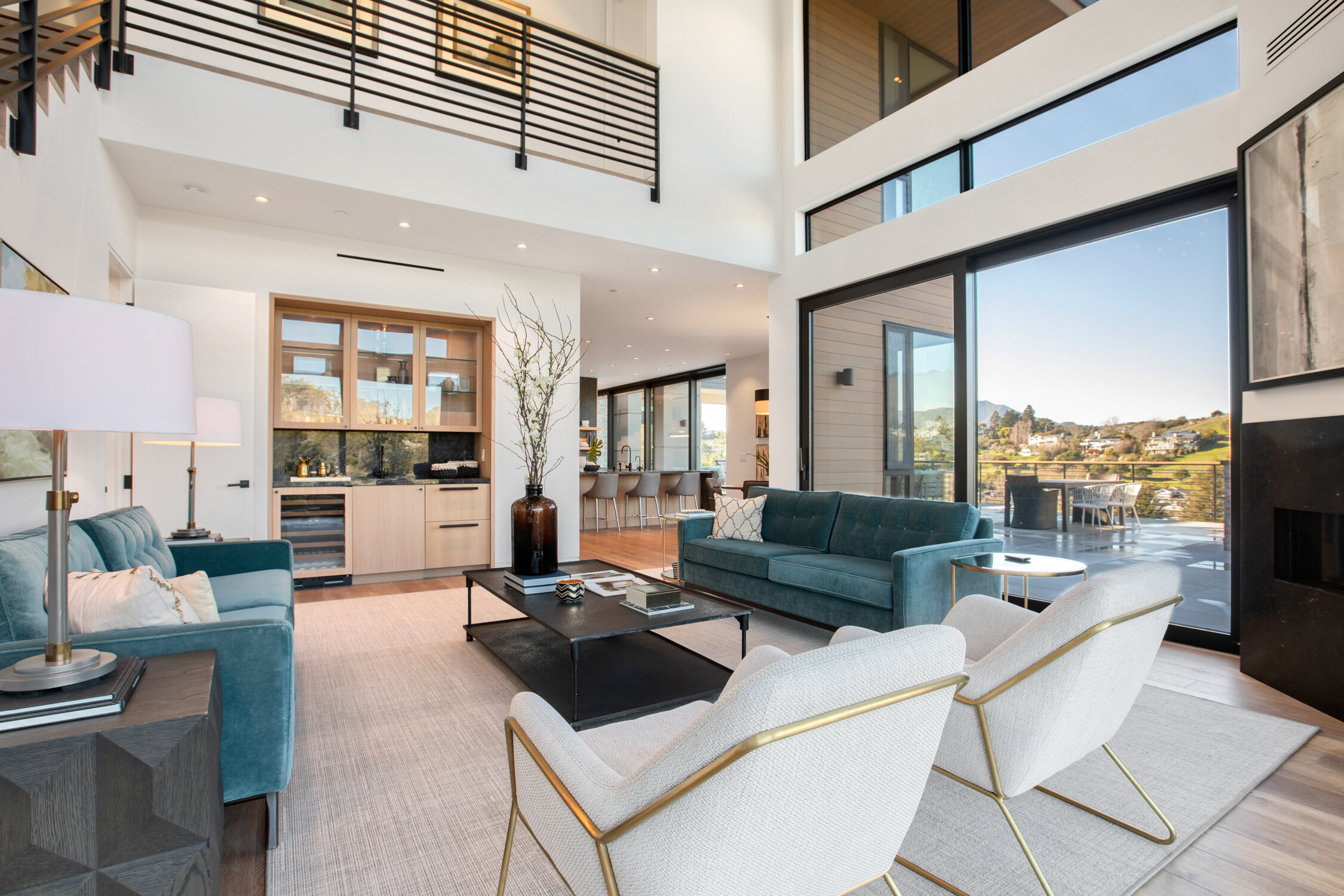
Modern phones are powerful, but they are built to capture quick personal moments, not to quietly solve the technical challenges of interiors. Rooms are full of mixed light, reflective surfaces, and tight corners. It is easy to end up with images that do not quite match what the property feels like in person.
Common problems with phone only photos include:
Blown out windows where you cannot see the view
Dark corners that make rooms feel smaller than they are
Crooked lines that make walls and cabinets look distorted
Overly wide angles that mislead buyers about realistic proportions
Buyers may not know exactly why those images feel off, but they notice the result: confusion, distrust, or simple disinterest. In a crowded feed, that is usually enough to move on to the next listing, even if the home itself is a strong fit.
What Dedicated Pros See
A professional understands that a property is not just a collection of rooms; it is a sequence of impressions. A Real Estate Photographer San Francisco based will walk through the home before unpacking equipment, noticing how light moves, where the eye naturally travels, and which details should lead the story.
They make deliberate choices about:
The order in which rooms are photographed and later presented
Which angle best explains the layout instead of simply “looking nice”
How to balance window and interior light so views and details both read clearly
When to include close ups of finishes, fixtures, or special features
This approach produces a set of high impact real estate listing photos for busy agents who do not have time to experiment on every property. It also means buyers can move through the images almost as if they are walking the home, instead of constantly trying to decode what they are seeing.
Beyond the Listing Page

Good images do more than attract clicks on a single portal. They become building blocks for your wider marketing over time. Teams investing in Real Estate Photography Bay Area wide are often thinking beyond “just this listing.”
From one well photographed property, you can pull visuals for:
Email campaigns announcing new inventory or recent sales
Social posts that highlight a particular style, neighbourhood, or feature
Agent profiles that demonstrate the calibre of homes you represent
Seller presentations that show how seriously you take marketing
When photos are thoughtfully composed and delivered in organised sets, they are much easier to reuse. Instead of digging through mismatched folders of phone images, you have a library of consistent, clean files that support your brand as well as the individual property.
Do Details Really Matter?
At first glance, small choices, a slightly straighter line, a tidier countertop, a softer reflection—may seem unimportant. But buyers are using those details to make assumptions about how the home has been cared for. They are looking for signs of effort, maintenance, and honesty.
Little decisions add up, such as:
Clearing cables, bins, and distractions before shooting
Adjusting curtains or blinds to avoid harsh streaks of light
Aligning verticals so door frames and walls do not appear to lean
Choosing compositions that show both function and character
Thoughtful photographers also know when to hold back. Overediting can backfire, especially when buyers arrive and feel the space does not match the images. The aim is to create natural light property photography for modern homes that feels inviting but credible, so expectations set online line up with reality on the viewing day.
Working Together Smoothly
A strong result does not require endless staging or complex direction. It starts with a clear conversation. When agents and photographers treat the shoot as a shared project, it becomes easier to create images that help both sides do their work well. With Real Estate Photography San Francisco focused on collaboration, the process can stay efficient without feeling rushed.
Practical steps include:
Sharing a simple shot list and any must have angles in advance
Letting the photographer know who the likely buyer is for this home
Agreeing on how much styling or rearranging is realistic for the day
Building in enough time on site to adjust for light and minor changes
This kind of preparation keeps the session calm and predictable. Sellers feel respected, agents are not pulled in every direction, and the photographer has the space needed to do considered work instead of reacting under pressure.
Turning Images Into Long Term Value
In an online listings world, photos are often the first and strongest point of contact between a property and its future owner. Choosing to work with a real estate photographer is not about chasing perfection; it is about giving buyers a clear, honest, and appealing view of what is actually on offer. When images do that well, they support not just this sale, but your reputation across many sales to come.
At Slava Blazer Photography, we treat each property as a chance to tell a precise, respectful visual story. We walk through the space with your ideal buyer in mind, plan sequences that make sense on listing platforms, and photograph with both accuracy and warmth.
Our team focuses on creating galleries that agents can rely on for listings, presentations, and ongoing marketing, images that help people stop scrolling, pay attention, and feel confident booking a visit.
Commonly Asked Questions
Is a professional photographer necessary for smaller or lower priced properties?
Not every property requires the same level of investment, but clear, well lit images are still important, even for smaller homes. Buyers rarely know the price before they react to photos. If the images feel confusing or unappealing, they may never click through to see that the property fits their budget. A professional can adapt the scope of a shoot to suit the size and positioning of the listing.How much preparation should owners do before a photo shoot?
A basic tidy, removal of obvious clutter, and simple fixes like straightening linens or aligning chairs go a long way. The goal is not to make the home unrecognisable, but to present it in its best everyday state. Agents can share a short checklist with owners so they know what to expect and how to help, without feeling overwhelmed by staging demands.Can the same set of images work across different listing platforms and marketing channels?
Yes, when they are planned with flexibility in mind. A well structured gallery will include wide establishing shots, medium views, and details, all composed to crop cleanly for different aspect ratios. This makes it easier to use the same core images on major portals, your own website, email campaigns, and social channels without needing a separate shoot for each.
