5 Headshot Ideas That Still Look Professional Without Feeling Stiff

Most people know they “need new headshots” long before they know what kind of headshots feel right. Someone flags an outdated “About” page, or a sales leader notices that everyone’s LinkedIn photo looks like it came from a different decade. The tension appears quickly: you want to look polished and credible, but you do not want to look frozen, over posed, or unlike yourself. In a market where Professional Headshots San Francisco can range from very formal studio portraits to relaxed, natural looking images, that balance matters.
The good news is that you do not need to choose between “corporate and stiff” or “casual and messy.” The right ideas, direction, and planning can give you headshots that feel professional enough for client decks and board reports, but human enough for social media and recruiting. These five ideas are designed to help you get there.
Why headshots feel stiff
A stiff headshot usually happens when people feel rushed, over directed, or unsure what the photo is for. They fall back on a default pose, a tight smile, and a blank backdrop that does not say much about how they work. None of that is anyone’s fault; it is a natural reaction to standing in front of a camera with limited guidance.
Common reasons headshots look rigid include:
The only direction given is “smile at the camera”
Poses are copied from generic examples, not shaped for each person
People are not told where the photo will be used or what it needs to say
Sessions are squeezed into very short time slots with no chance to relax
When you solve these issues, the same setting and wardrobe can instantly look more natural. The goal is to create space where people understand the purpose of the photos, receive simple, useful direction, and are treated as individuals rather than identical “subjects.”
Softly directed poses

One of the simplest ways to avoid stiffness is to think in terms of small adjustments instead of big, dramatic poses. Most people feel more comfortable when they are given a starting position and then adjusted slightly, rather than being told to “act natural” with no guidance. For teams booking Headshots San Francisco Bay Area, this approach also keeps the overall look consistent without forcing everyone into the exact same stance.
A photographer may quietly suggest things like:
Turning the body a little off centre instead of facing the camera straight on
Shifting weight onto one foot to avoid a rigid, “stacked” posture
Bringing the chin slightly forward and down for a clearer jawline
Resting hands on a table, chair back, or lightly folded in front
These are small movements, but they give the face and shoulders room to relax. Over the course of a session, a person can be guided through a few variations, slightly more formal for website bios, slightly more relaxed for internal channels or social profiles, without ever feeling forced into a pose that does not match their personality.
Using real settings
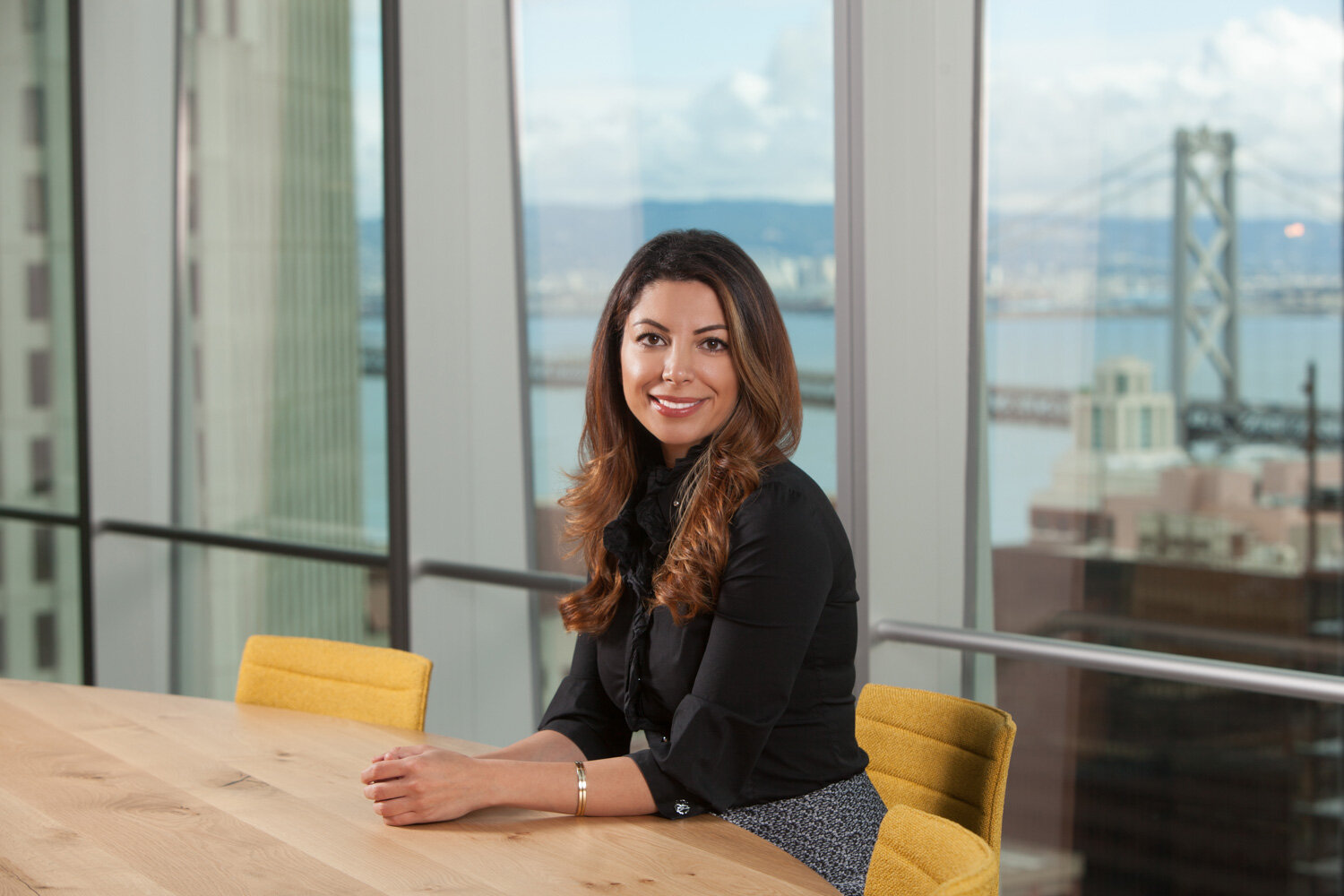
Backgrounds do more than fill space; they quietly frame the story about how and where you work. While clean studio backdrops still have their place, many professionals now choose real settings that feel close to their everyday world. A well lit office corner, a meeting space with depth behind it, or a calm outdoor spot can all support natural looking corporate headshots for tech teams and beyond.
This does not mean filling the frame with clutter. It means choosing locations that:
Have simple, non distracting lines and colors
Reflect your industry or environment without overpowering the subject
Offer room for the photographer to separate you gently from the background
For example, a founder might be photographed near a window with the city softened behind them, or a consultant in a quiet conference room with a hint of workspace in the distance. These choices add context and character, while the lighting and composition keep the image professional.
What lighting looks natural?
Lighting is one of the biggest reasons a headshot feels either harsh or inviting. Bright, flat light can make a person look washed out. Heavy, contrasty light can feel dramatic in a way that does not match everyday business communication. The sweet spot is light that gives the face shape, keeps the eyes clear, and avoids distracting shadows.
For indoor portraits, this often means using a combination of soft artificial light and, where possible, window light. The aim is to create gentle highlights and shadows that follow natural contours of the face. Outdoors, shooting in open shade or during softer parts of the day helps avoid squinting and deep lines. Test shots and small adjustments during the session make a big difference: a slight change in angle relative to the light can shift an image from “hard” to “approachable” without changing anything else.
When lighting is handled with care, people tend to feel more confident reviewing their images, which in turn makes it easier to choose expressions that feel like them.
Small expression tweaks
Expressions often decide whether a headshot feels inviting or uncomfortable. Very few people enjoy seeing themselves with an exaggerated smile or a completely blank face, yet those are the extremes most people default to when they feel self conscious. A Business Headshot Photographer will usually aim for subtle variations instead of a single “perfect” expression.
Helpful prompts might include:
“Think of someone you genuinely like speaking to at work.”
“Give me a version that feels like a quiet, confident yes.”
“Try one where you look like you are about to say hello.”
These small shifts help people move away from a rigid grin into something warmer and more believable. Taking a few frames in each expression and reviewing them briefly on screen can reassure the person that they do not have to “get it right” in one try. Over a session, this gentle approach produces a range of options that feel real, from more formal to more relaxed, all without losing professionalism.
Wardrobe that supports

Clothing plays a bigger role in headshots than many people realise. The aim is not to turn the session into a fashion shoot, but to choose pieces that support the face rather than draw attention away from it. For many professionals, this means well fitting, simple clothing in colours that complement their skin tone and match the tone of their industry. It also means avoiding anything that will date the image too quickly.
Useful guidelines include:
Choose solids or subtle patterns over bold prints and logos
Bring one option that feels more formal and one that feels more relaxed
Avoid anything that pulls or gaps when you sit or turn slightly
Think about how the outfit will read when cropped at the shoulders
These choices matter across platforms. Someone may use the same image for relaxed professional headshots for LinkedIn profiles, speaking engagements, and internal communication. Wardrobe that looks considered but not fussy helps the headshot travel well between those spaces without feeling out of place.
Turning ideas into images
By the time you get in front of the camera, lifeless headshots are no longer inevitable. When poses are gently directed and settings feel authentic, lighting is flattering, expressions are guided and wardrobe supports rather than distracts it leaves room for the final photographs to feel like you. They are professional enough for clients, higher ups and official documents, fair enough, but they just have a nice relaxed feel which is much more like how you speak and work.
At Slava Blazer Photography, we integrate these principles into every aspect of how we plan and conduct headshot sessions. We take time to understand where your images will be used, discuss what “professional but not stiff” means in the context of your brand, and guide each individual through poses and expressions at a pace that feels natural and manageable. Whether you're looking for a complete set for a growing team or a focused session for key leaders, our goal is to create portraits that feel authentic, are easy to use, and confidently represent your team across all the platforms where their work appears.
Frequently Asked Questions
What is the best way for someone to prepare for having headshots done (without totally over-thinking it)?
Select perhaps one or two outfits that are effectively a slightly heightened version of an average workday, get your hair and grooming into something you’re at ease with, and consider where the photos will be going. There’s no need for a drastic overhaul: Simple, familiar tweaks often photograph better than anything that doesn’t feel like you.How often do you need to update your professional headshots?
In general, headshots work best when they look like a person does in daily life and in meetings. For most working professionals, new images every two to three years is sufficient, or sooner after a significant shift of role, appearance or brand direction.Do different kinds of headshots work for different platforms?
Yes, with careful planning. As little as one good headshot can be cropped and used on company web sites, LinkedIn, conference programs and other internal tools. Selecting a neutral but supportive background, balanced lighting and an expression that comes off as friendly but composed helps the image travel well.
