
KEY POINTS:
Plan the video message before filming begins.
Use talking points instead of rigid scripts.
Help employees feel comfortable on camera.
Capture real workplace activity whenever possible.
Give direction without controlling every movement.
Match footage closely to what employees are saying.
Use natural moments to support the business story.
Keep employee videos polished but genuine.
Employee videos feel more believable when people are allowed to communicate and work naturally instead of being asked to perform every moment for the camera. A skilled Videographer San Francisco can create that balance by planning the filming carefully, giving employees simple direction, capturing genuine workplace activity, and avoiding unnecessary scripting. This approach can work for company culture videos, recruitment content, leadership messages, workplace introductions, service videos, interviews, and other business communication. The goal is not to remove direction completely. It is to provide enough structure so the video has a clear message while still allowing employees to sound and behave like themselves. When viewers see real expressions, natural conversations, and familiar workplace activity, the final video can feel more credible and easier to connect with. In this blog, we will explain how businesses can capture employees naturally without making workplace videos feel stiff or staged.
Plan the Message First
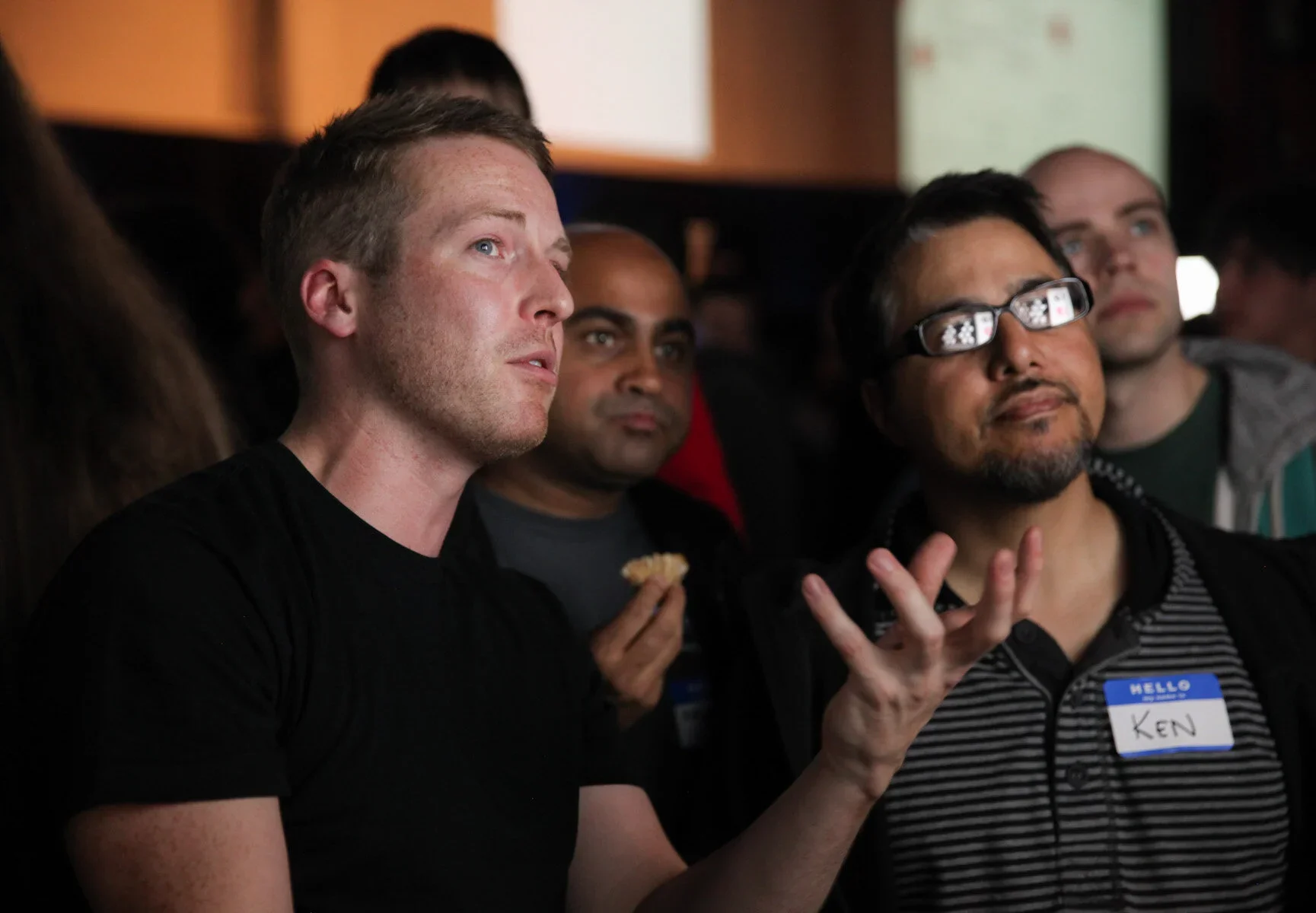
Natural footage still needs a clear purpose. Before filming begins, the business should know what viewers are expected to understand after watching the video.
A recruitment video may need to show company culture and employee relationships. A service video might focus more on expertise and daily operations. A leadership video may combine direct speaking with workplace footage that shows the wider team.
This planning prevents the shoot from becoming a collection of random office clips.
A Videographer For Business can work from a simple outline that identifies:
The main message
Employees who should appear
Workplace activities worth showing
Locations needed for filming
Important business details
Types of supporting footage
Intended platforms for the final video
For example, a technology company may want to communicate collaboration. Instead of asking employees to repeatedly pretend to brainstorm around a table, the filming schedule could include a real project meeting where natural discussion is already happening.
Planning the message first allows the camera to look for genuine moments that actually support the story.
Avoid Overwriting Employee Scripts
Long scripts can make employees sound less natural, especially when speaking on camera is not part of their usual work.
People often focus so heavily on remembering exact words that their normal expression, rhythm, and personality disappear. The result may technically communicate the correct information but still feel uncomfortable to watch.
A better approach is often to prepare talking points rather than complete sentences.
For example, an employee discussing company culture might receive three prompts:
What does a typical day look like?
What makes the team enjoyable to work with?
What kind of projects feel most rewarding?
The employee can then answer in familiar language.
This is especially useful in employee video storytelling, where the aim is to communicate real experiences rather than produce identical statements from several people.
If a response becomes too long, the employee can try again with shorter guidance. The important point is to preserve their natural wording rather than immediately replacing it with corporate language.
Some employees may still need more structure, and that is fine. Natural filming is not about removing preparation. It is about finding the level of preparation that helps people speak clearly without sounding memorized.
How Can Employees Relax?
Employees usually become more comfortable when the filming environment feels manageable, and they understand what will happen.
Uncertainty can make people tense. Someone who has never been filmed professionally may wonder where to look, what to do with their hands, whether they can restart an answer, or how polished they are expected to sound.
Simple guidance can remove much of that pressure.
Before recording, the videographer can explain:
Where the employee should look
Whether the answer needs to be short
That restarting is normal
How the conversation will be structured
What will happen between takes
Which parts of the workplace may be filmed
Beginning with an easy question can also help. Asking someone about their role or how long they have worked with the company is often easier than starting with a detailed brand statement.
A corporate video San Francisco project might involve engineers, sales professionals, managers, designers, or other employees who are not trained presenters. They should not be expected to behave like actors.
Giving people time to settle into the conversation often produces stronger footage than trying to perfect the first response.
The camera should gradually become less important than the conversation taking place around it.
Capture Real Workplace Activity
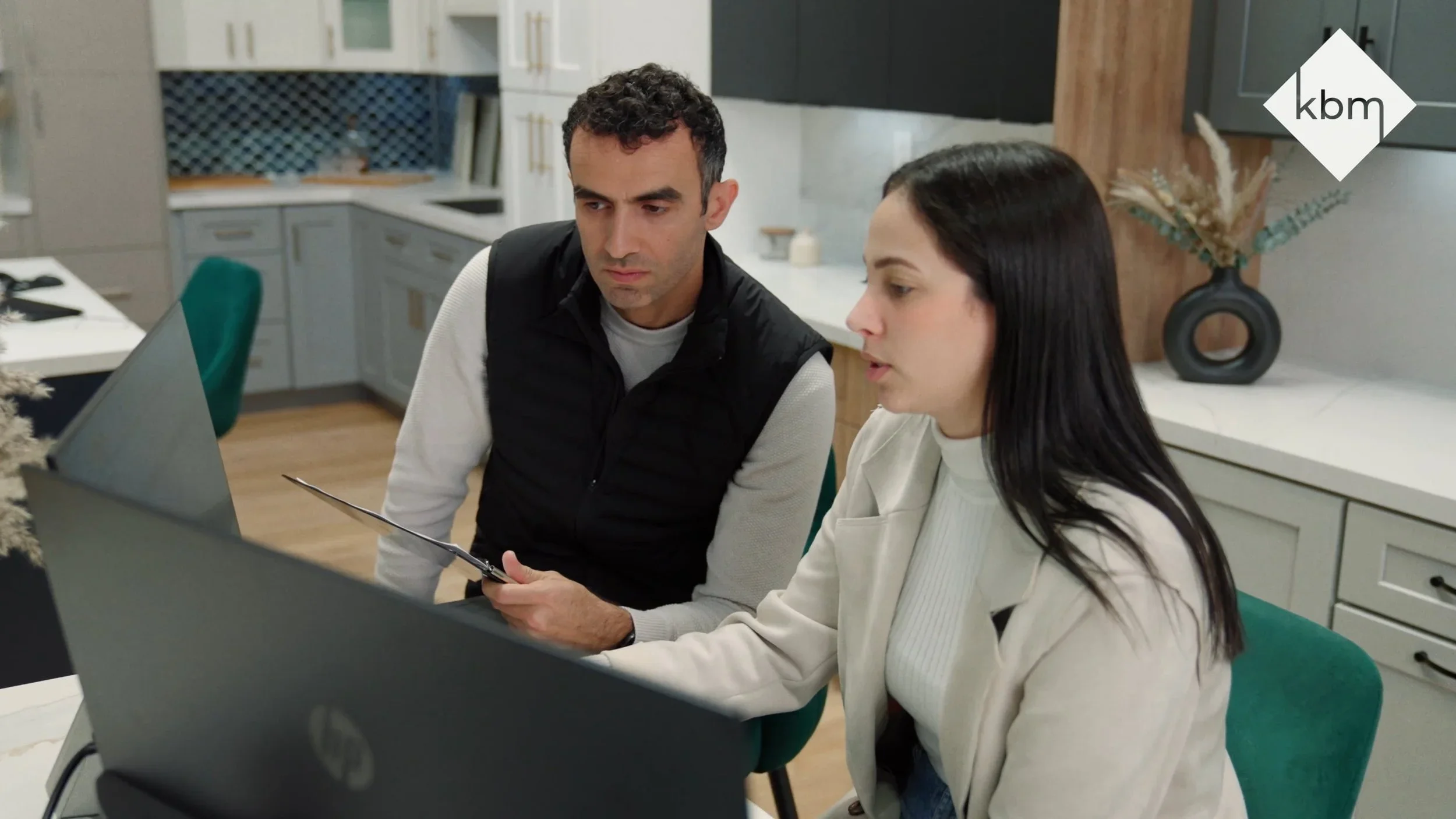
Employee interviews are useful, but workplace video becomes more convincing when viewers can also see people doing the work being discussed.
Supporting footage can show how employees interact with colleagues, tools, customers, products, equipment, or workspaces.
Depending on the business, useful footage might include:
Employees discussing a project
Teams working at desks
Staff preparing equipment
A designer reviewing materials
Employees walking through a workspace
A team checking finished work
Natural conversations between colleagues
Employees interacting with products
These moments do not need to be completely unplanned. The production team may ask employees to continue a normal task while filming it from a useful angle.
The difference is that the activity should have a real connection to their work.
For instance, asking two employees who regularly collaborate to review an actual project will usually feel more natural than asking people from unrelated departments to pretend they are discussing something important.
Thoughtful San Francisco Video Production can combine this everyday footage with interviews to create a clearer picture of the business.
Viewers hear employees explain the workplace and then see those ideas supported visually.
Direct Without Over Directing
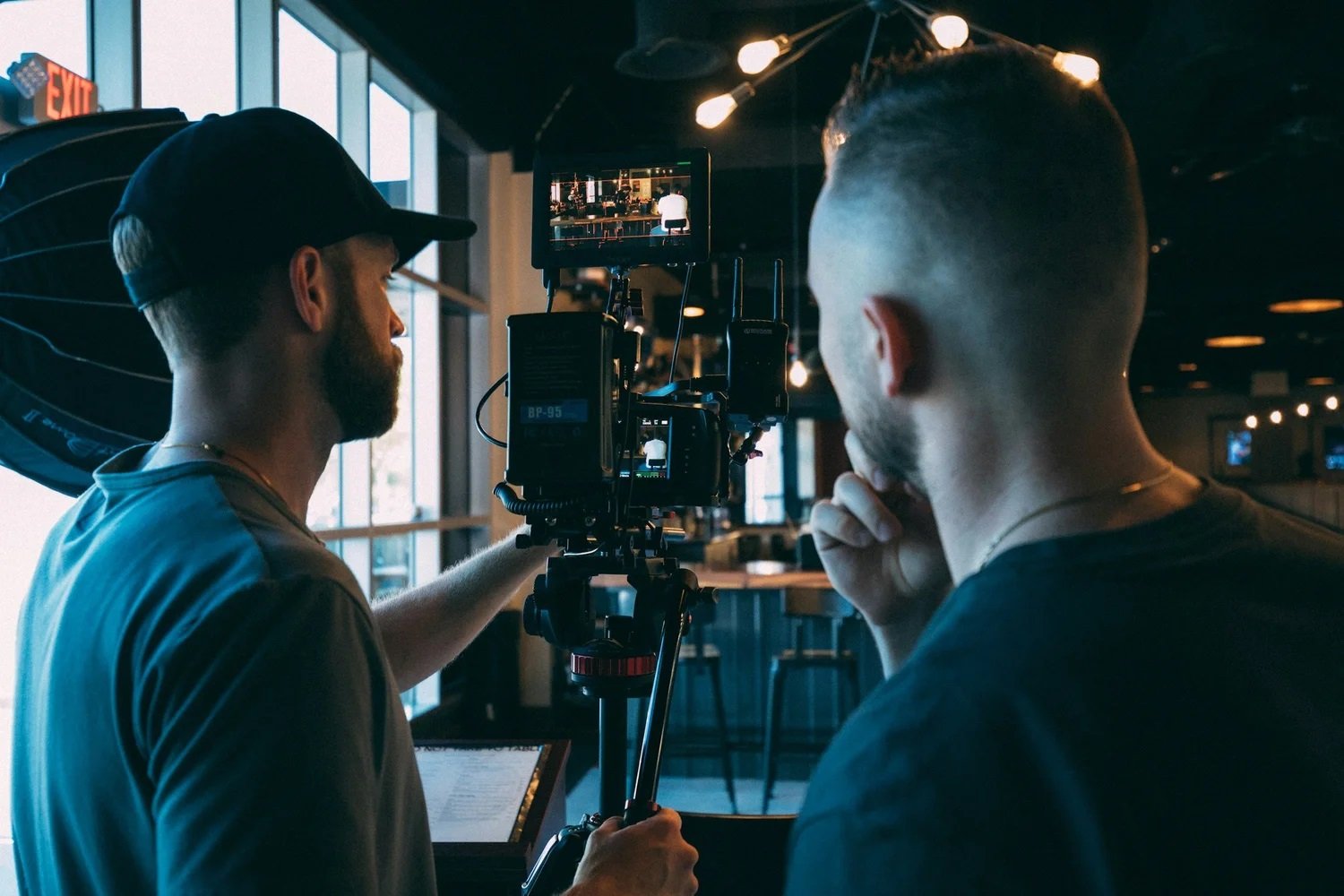
Some direction is necessary during almost every business video. The problem begins when every gesture, conversation, and movement is controlled so closely that employees stop behaving naturally.
Good direction focuses on outcomes rather than forcing exact performances.
Instead of saying, “Turn toward your colleague, smile, point at the screen, and then look back,” the videographer might simply ask two coworkers to review a project together. Their normal interaction provides the movement and expressions.
The same principle works during interviews.
An employee may be asked to shorten an answer, explain a point more simply, or speak with slightly more energy. Those adjustments can improve the recording without changing the person's normal communication style.
Videographer San Francisco planning can also reduce the need for heavy direction by selecting activities and locations where employees already feel comfortable.
For example, a chef may be easier to film while preparing food than standing alone in an empty dining room. A designer may seem more natural discussing work beside project materials than delivering a formal statement against a blank wall.
The environment can help people forget that they are being filmed.
Natural footage still has structure. It simply hides that structure well enough that the final video does not feel manufactured.
Use Natural Moments Wisely
Not every candid moment belongs in the final edit. Natural filming still requires thoughtful selection.
A workplace shoot may capture dozens of small interactions, but the editor needs to choose clips that support the message, represent employees respectfully, and maintain the right pace.
A quick laugh between coworkers may help communicate a friendly culture. A focused moment during a meeting can suggest concentration and teamwork. A simple exchange between an employee and customer may help explain service.
These clips become most useful when they connect to what the viewer is hearing.
If an employee talks about teamwork, showing actual collaboration is stronger than filling the screen with an unrelated building shot. If someone discusses craftsmanship, the video can show hands working with materials or a team reviewing details.
A strong edit can combine:
Employee interviews
Workplace activity
Environmental shots
Relevant details
Team interactions
Business processes
The purpose is not to include every attractive clip.
Instead, each scene should help the viewer understand something about the people, workplace, or service.
Videographer San Francisco projects often feel more natural when interviews and real activity support one another. The viewer does not spend the entire video watching employees speak directly to the camera, and the workplace itself becomes part of the story.
Keep Workplace Stories Genuine
The most effective employee videos usually do not ask people to become performers. They create enough structure for the business message to remain clear while giving employees room to speak, react, and work naturally. Planning the purpose, using flexible talking points, helping employees feel comfortable, filming genuine workplace activity, and providing light direction can all reduce the staged feeling that weakens many business videos. A thoughtful Videographer San Francisco approach can therefore show both what a company does and what working there actually feels like without turning everyday employees into scripted presenters.
At Slava Blazer Photography, our team approaches workplace filming with that balance in mind. Our professionals guide employees where guidance is useful while leaving space for genuine conversations, expressions, and interactions to develop naturally. We focus on creating business videos that feel polished without losing the personality of the people inside them, giving companies practical visual content that can support recruitment, company culture, marketing, leadership communication, and other professional needs.
Frequently Asked Questions
Do employees need to memorize scripts for business videos?
Not always. Talking points or guided questions can often help employees speak more naturally while still covering the information the business needs to communicate.What if employees feel nervous on camera?
Clear instructions, simple practice questions, conversational interviews, and time to become familiar with the filming process can help employees feel more comfortable.Can normal workplace activity be filmed for business videos?
Yes. Meetings, project work, team discussions, demonstrations, preparation, and other real activities can provide useful supporting footage when they are relevant to the video's message.Where can employee videos be used?
Employee-focused videos can support company websites, recruitment pages, social media, internal communication, presentations, employer branding, service pages, and other business marketing.Does natural video mean employees receive no direction?
No. Professional direction can still improve posture, answers, positioning, timing, and clarity. The aim is to guide employees without controlling every word, expression, or movement.
