Why Corporate Videos Feel Generic and the Fix That Makes Them Feel Real
Most corporate videos feel generic for the same reason: they try to say everything, to everyone, in the safest possible way. The result is clean footage with a flat feeling, as it could belong to any company. The fix is not adding fancy effects or a bigger crew. It is making the story specific, capturing real proof, and directing people in a way that sounds like how they actually talk.
Here in this article, we are going to study how to spot the “generic” patterns, replace them with practical choices, and where these videos get used once they are finished (LinkedIn, websites, ads, recruiting pages, and internal updates). If you are investing in San Francisco Video Production, the goal is not just a nice-looking video. It is a video that feels true, so people keep watching.
Define One Clear Point
Generic videos usually start with a vague goal. “We need a brand video” is not a goal. A goal is something like: explain what the company does in 30 seconds, earn trust for a sales page, or support recruiting with a credible culture clip. When the goal is specific, the video stops trying to be everything at once.
A simple way to lock the point:
Decide the primary viewer (buyer, candidate, partner, investor)
Choose one promise you can prove quickly
Pick one action you want the viewer to take after watching
A real example: one firm tried to combine an overview, recruiting, and a service explainer in one cut. Once the team chose one main outcome, the same footage became stronger by tightening the message and removing extra threads. This is where Video Production Company San Francisco planning matters, because clarity is decided before filming, not after.
Replace Stock Sounding Lines

Corporate videos feel generic when the script sounds like “company language” instead of a real person. Viewers can sense when someone is reading. The goal is not to make people casual. It is to make them believable.
Small changes that make lines feel real:
Use short sentences that people would actually say out loud
Replace buzzwords with concrete examples
Keep one idea per sentence instead of stacking claims
A real scenario: a leader kept repeating “innovative solutions” because it sounded safe. When they switched to one clear example of what they deliver and for whom, the video instantly felt more credible. For Corporate Video Production San Francisco, this kind of specificity is often the difference between “polished” and “persuasive.”
Show Proof On Camera
Generic videos claim value. Real videos show it. Proof does not need to be dramatic. It just needs to be visible. When the viewer sees real work, real people, and real outcomes, trust builds fast.
Proof can look like:
A product or process in action, not just talking heads
A quick before-and-after moment, even if it is subtle
A visible result, like a dashboard, deliverable, or on-site outcome
This is why Videographer For Business work needs to be capture-led, not just interview-led. Interviews add meaning, but proof is what makes it feel real.
Direct Natural Performance
Most people are not actors, and they should not be treated like actors. When people feel like they are “performing,” the video reads as staged. The fix is a calmer direction and prompts that create real expression.
Helpful direction often sounds like:
“Say it like you’re explaining it to a new client”
“Start with the one thing people get wrong.”
“Give one quick example, then stop”
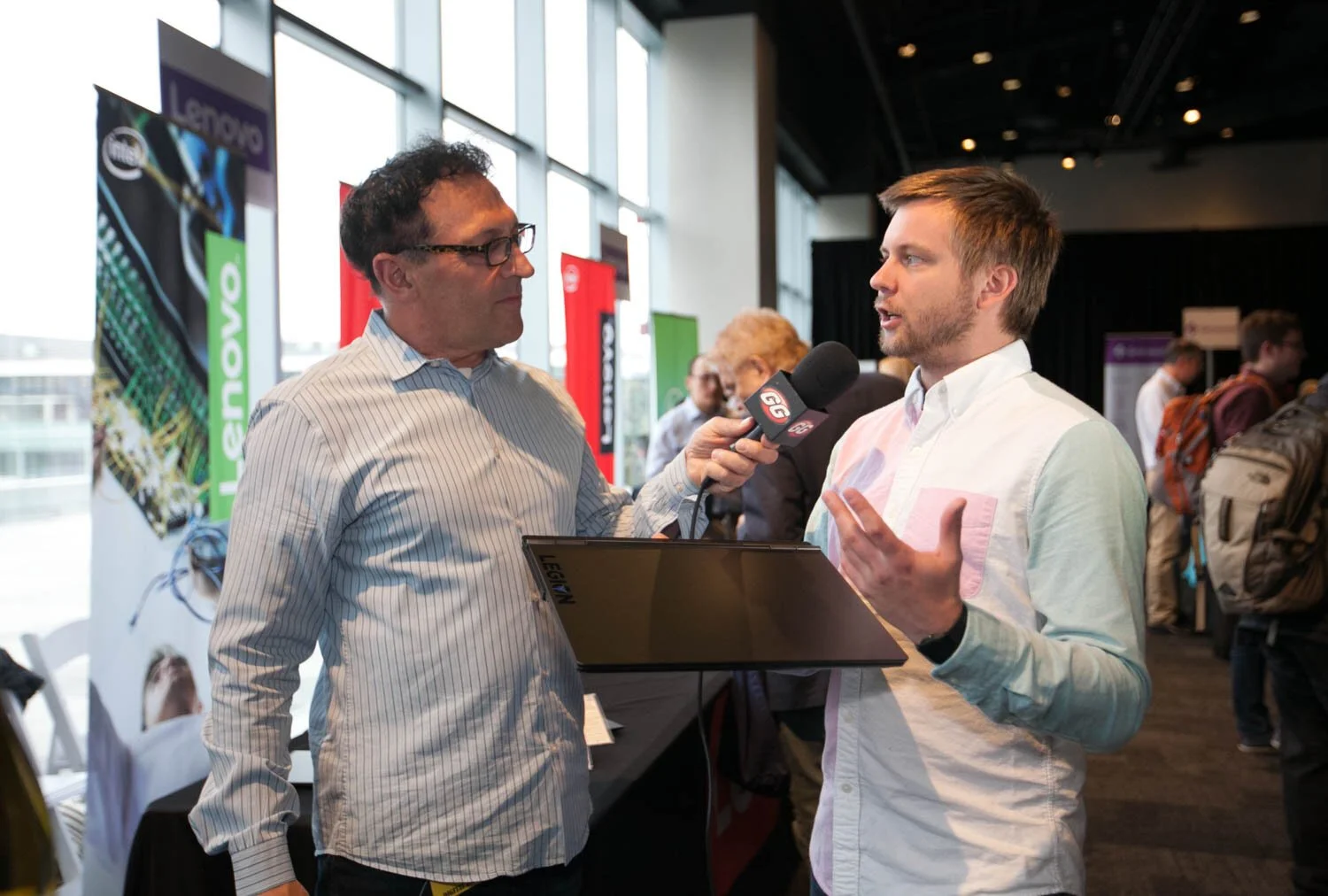
If your plan includes corporate video interview questions that sound natural, keep them practical and specific, so answers come out like a real conversation, not speeches. This is where San Francisco Video Production sets succeed when the room stays calm.
What Makes Videos Believable?

A believable corporate video usually comes down to three things: specificity, human presence, and a clear rhythm. Viewers do not need a perfect voice. They need a clear point, real visuals, and a pace that respects their time.
A practical checklist for “believable”:
The opening gets to the point quickly
The visuals match the words, not random office clips
The middle stays tight and avoids repetition
The ending gives a simple next step
This is also where a Video Production Company San Francisco team can help, because alignment between visuals and message is planned, not guessed.
Build Better B-Roll
B-roll is where many corporate videos quietly become generic. If the B-roll looks staged, the whole edit feels staged. Better B-roll comes from filming real actions in clean conditions, not from inventing fake work.
More authentic B-roll usually includes:
Real collaboration, with an actual topic being discussed
Hands doing something meaningful, not random typing
Natural movement through the space, like walk-and-talk
If you want to level this up, how to make b-roll look authentic in office videos often comes down to one habit: film real work moments, then tidy the background and light so it looks intentional. A strong Videographer For Business will keep B-roll structured enough to edit cleanly, without making it feel staged.
Make The Edit Feel Human
Corporate videos feel real when the edit respects how people actually watch. That means a clear hook, a clean story line, and pacing that gets to proof quickly. Heavy effects or generic music can flatten the tone if it does not match the brand.
A simple approach that often works:
Open with the clearest line early, then support it with proof
Use music that fits the brand mood, not “default corporate.”
Trim repeated points so the video stays sharp
If you are choosing Corporate Video Production San Francisco services, the biggest win is a process built on real story and real proof, not filler. Our team works towards this end at Slava Blazer Photography for our San Francisco Video Production. This means providing a relaxed director while filming, natural-sounding interviews, and authentic footage rather than staged actions in B-roll. We also plan deliverables for where the video will live, so the final cuts feel natural on LinkedIn, websites, and recruiting pages instead of feeling like one generic “brand video.” If you want a corporate video that feels real, not canned, reach out for a quick quote and a simple shoot plan.
Frequently Asked Questions
Why do corporate videos end up sounding scripted?
They usually sound scripted because the speaker is trying to memorize lines instead of communicating one clear idea. When people chase perfect wording, their voice loses its natural rhythm, and the delivery gets tight. A better approach is using short prompts, letting the speaker answer in their own words, and then tightening in the edit. That keeps the message clean without forcing a “reading” tone.What is the best length for a corporate video that people will actually watch?
It depends on the platform, but most corporate videos perform better when they stay focused. For LinkedIn and social, a tight 30 to 60 seconds often works best if the hook is clear. For a website service page, 60 to 120 seconds can work when it quickly shows proof and stays structured. The real key is pacing, not just duration, since repetition makes even short videos feel long.How can a team look natural on camera if they are camera-shy?
The easiest fix is reducing pressure and using small, realistic directions. Start with easy shots, keep takes short, and let people reset between answers instead of holding a smile. Filming real interactions also helps because attention shifts from the camera to the conversation. When the room feels calm, expressions settle naturally, and the footage becomes more believable.Why does B-roll footage come off as inauthentic in corporate videos?
B-roll is considered inauthentic when it captures activities unrelated to actual work, such as meaningless typing, artificial laughter, or meaningless meetings. The viewer easily notices that there is no intention behind the activity. Good B-roll includes actual work being done, the actual tools used, and human interaction in clear lighting against a clutter-free backdrop. Even mundane activities, such as going over an action plan or process, can appear high-end when they are authentic.Is it better for corporate videos to be polished or more rough around the edges?
The middle ground is often ideal. The video needs to have a high-quality finish, but also a more personal tone. Too much polish can seem impersonal, and too much roughness can make the video less believable. Good corporate videos retain the high-quality lighting and sound while keeping the human side and storytelling relevant to the brand.
