9 Things to Share With an Event Photographer So Nothing Important Gets Missed
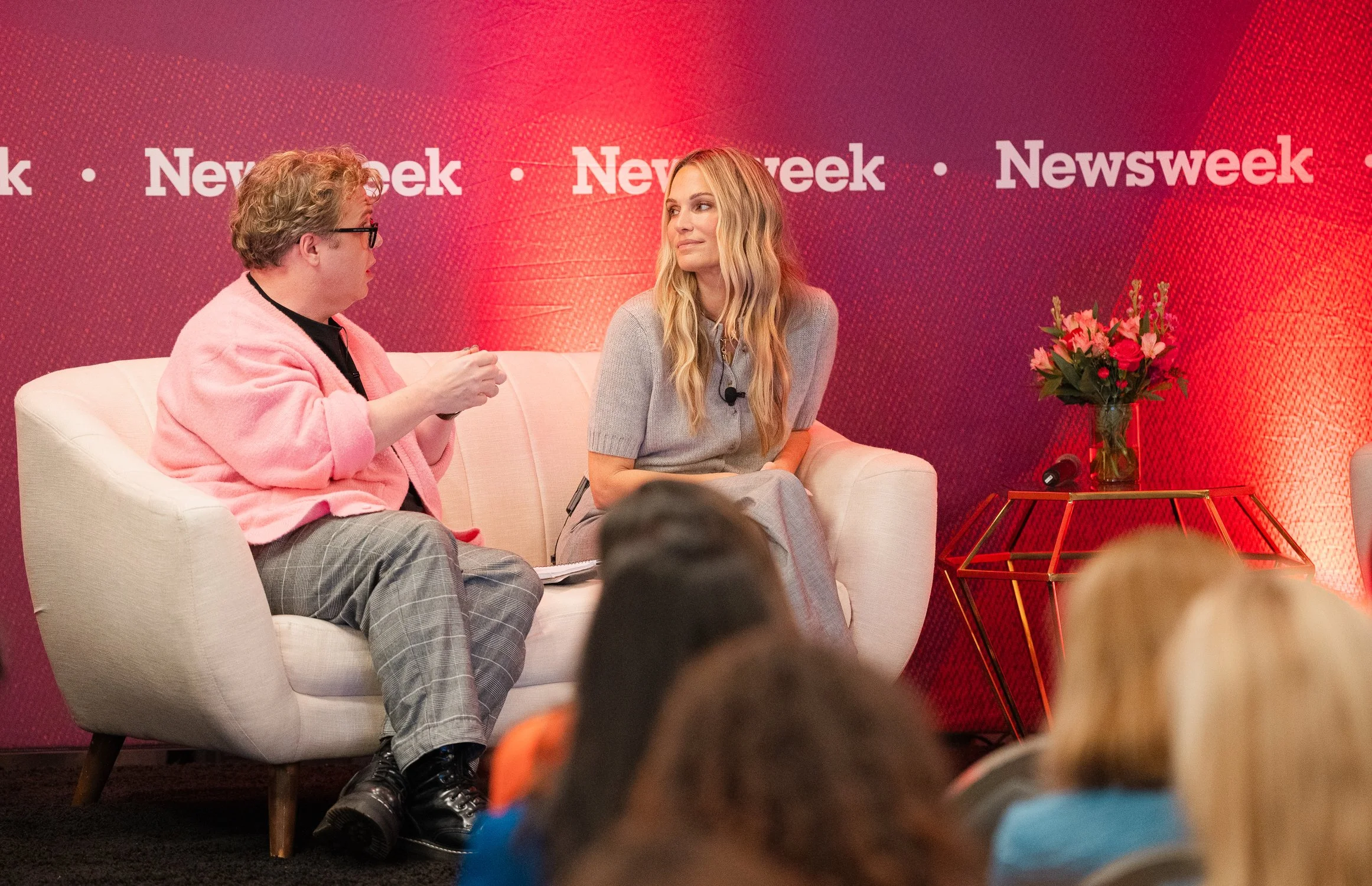
Most “missed moments” do not happen because a photographer wasn’t skilled. They happen because the day’s priorities were never clearly shared. Events move in layers, speeches, arrivals, side conversations, sponsor moments, leadership interactions, and quick reactions that disappear in seconds. When your photographer knows what matters most, they can anticipate instead of chasing.
In today’s article, we will examine how one should brief their photographer on those very moments which matter to them and the places where these photographs will be used post event, such as LinkedIn snapshots, press release pictures, internal communications photos, recruitment page imagery, and sales presentation slides. Briefing an Event Photographer San Francisco on your needs means that the word “coverage” becomes a set of photos that get reused for months.
Confirm The Event Purpose
The first thing to share is the reason the event exists. A customer summit, a partner dinner, and a company milestone all need different coverage. If the photographer understands the purpose, they can capture images that support it instead of collecting random scenes.
Useful clarity to provide:
The main goal: credibility, recruiting, partnerships, fundraising, or celebration
The tone: formal, relaxed, high-energy, intimate
The one thing you want a viewer to feel when they see the recap
That is why Event Photography San Francisco works best when goals are shared early.
Share The Run Of Show
Events run on timing, and timing decides what can be captured cleanly. A simple schedule helps the photographer be in the right spot before the moment happens, not after it ends.
Share:
The timeline for arrivals, keynotes, panels, awards, and breaks
Any moments that cannot be repeated, like reveals or ribbon cuttings
The timing of sponsor activations, demos, or VIP arrivals
One small detail that matters: let them know if there is a hard stop for a speaker or a surprise moment planned. For Bay Area Event Photography, the run-of-show is often the difference between a strong stage shot and a missed frame taken from the back of the room.
List Your Must Have Shots
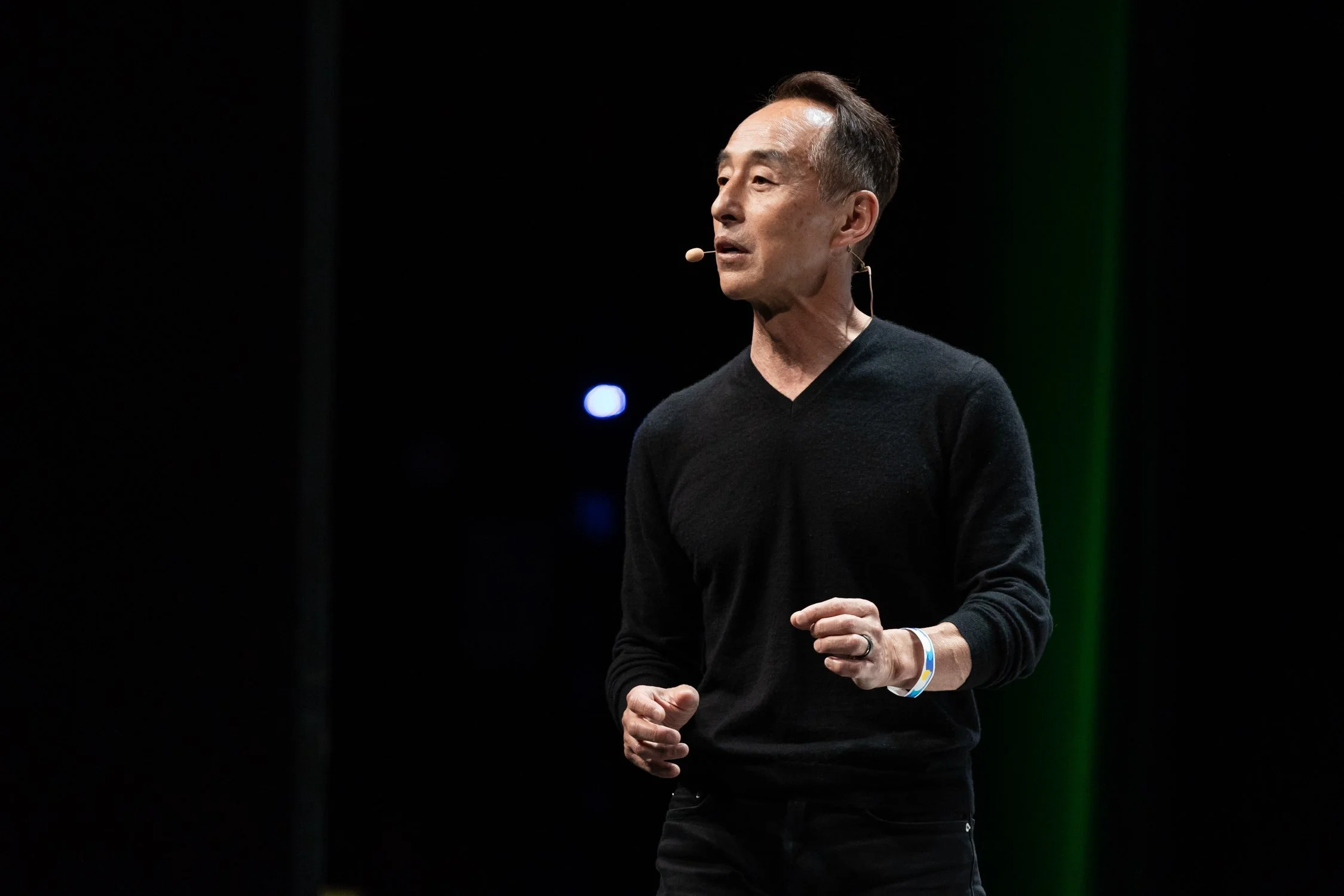
This is where the brief becomes powerful. Most teams assume a photographer will “know what to capture,” but your must-haves are usually very specific. If you need certain people together, sponsor signage to be clearly visible, or a particular moment for PR, spell it out early.
That can include leadership with key partners or clients, audience reactions during key content moments, awards handoffs with on-stage recognition and applause, and clean shots of sponsor signage or branded backdrops without clutter. That is why Bay Area Event Photographers often ask for a must-have list, because it protects the business priorities and prevents avoidable misses.
Identify The VIPs
You do not need to send a long org chart, but you should flag who matters most. Event photos are not just about “who was there.” They are often used to show credibility and relationships.
Helpful VIP info:
Names and roles of key leaders and speakers
Sponsors who need visible coverage
Any guests who should not be photographed
The one person who can identify VIPs on-site if needed
If you are planning Event Photography San Francisco for a corporate audience, this matters because leadership visibility can be the entire reason the photos are being taken.
Point Out Branding Zones

Branding often gets missed because it is in the background, on screens, or in lighting that photographs poorly. If branding matters, show the photographer where it lives and which placements are most important.
Share:
Backdrop locations and step-and-repeat timing
Stage screen graphics and when they will display
Product displays, sponsor tables, and signage zones
Any branded moments like ribbon cuttings or product demos
A quick walkthrough of branding zones solves this completely. Bay Area Event Photography becomes more valuable when it supports both human moments and branded proof.
Explain Lighting Challenges
Lighting is one of the most common reasons event photos disappoint. Mixed uplighting, spotlights, dark rooms, and bright windows can all create difficult conditions.
Share anything that might affect capture:
Stage lighting color and intensity
Whether speakers are mic’d and where they will stand
Window glare zones and areas that become too dark later
Any “no flash” rules or venue restrictions
If the venue has dramatic colored lights, you can still get clean images, but the photographer needs to plan angles and exposure choices. Small preparation around stage lighting tips for corporate event photography can save the whole gallery, because a few lighting-aware choices before the event often prevent harsh color shifts and dark speaker frames.
Clarify Usage And Deadlines
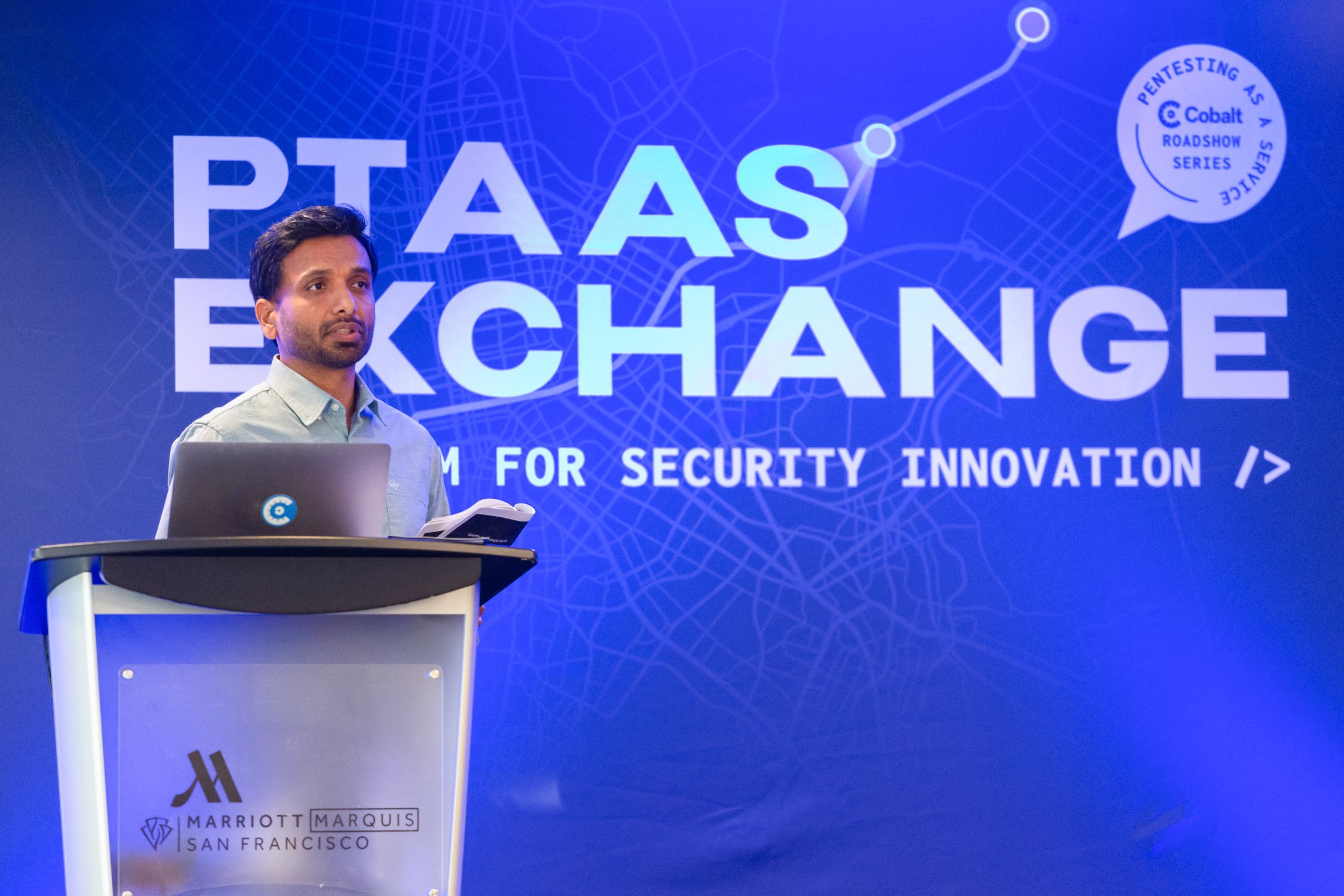
Photos are taken differently when the deliverable is “post whenever” versus “press release tomorrow morning.” Share where the images will be used and when you need them, whether that’s LinkedIn recap carousels and company page posts, internal newsletters and employee comms, press releases and partner announcements for PR outreach, or sales decks, case studies, and recruiting pages. If you need same-day highlights, say it.
If you need a full gallery within a week, say it. For Event Photographer San Francisco work, expectations around delivery affect how the day is shot, how selection is done, and how fast your team can publish.
Assign One Point Person
A point person prevents confusion and keeps the photographer out of awkward situations. They can answer quick questions, confirm VIP names, and guide the photographer when priorities shift.
A good point person helps with:
Confirming who is who during networking
Pulling leaders for quick group shots
Approving access to backstage or stage-side zones
Updating the photographer if the schedule changes
If you are working with Bay Area Event Photographers, a calm liaison makes the coverage smoother for everyone.
Mention The Quiet Moments
The photos people love most are not always the “big” moments. They are the small ones that show real connection: a laugh after a panel, a private handshake, a mentor speaking with a junior employee, a guest reacting to a product demo.
Share whether you want coverage of:
Networking and candid interaction
Behind-the-scenes preparation
Speaker green room moments
Close-up details that support storytelling
If you want photos that feel human and not staged, tell the photographer that candid moments are a priority. If you’re unsure what to tell an event photographer before a conference, start with the candid moments that matter most in your industry, because those are usually the frames people remember and reuse.
A Brief That Protects Moments
When you share the purpose, schedule, must-have shots, VIPs, branding zones, and usage needs, you are not micromanaging. You are giving the photographer the context needed to anticipate. That is what prevents missed moments and produces a gallery your team actually uses.
If you are booking Event Photography San Francisco, a strong brief also reduces stress on the day because everyone knows what the priority is. And at Slava Blazer Photography, our staff will be able to handle Bay Area Event Photography in a composed and methodical way by going through the show run, ensuring important pictures are taken, working silently among the VIPs, and taking both staged photographs of the company’s brand and genuine interactions with people.
Frequently Asked Questions
How detailed should the event photo brief be?
A brief should be detailed enough to remove guessing, but not so long that no one reads it. A simple one-page outline usually works: purpose, timeline, must-have shots, VIP list, branding zones, and delivery needs. If you have special rules like no photography in certain areas, list them clearly. The goal is to help the photographer anticipate moments, not to control every frame.What should be included in a “must-have” shot list?
Include any photo that has business value beyond the event day. That might be leadership with a partner, a sponsor moment that was paid for, a speaker photo that will be used in PR, or a group shot needed for internal comms. Also include one or two crowd or interaction shots that prove energy and attendance. When in doubt, list what you would regret not having the next morning.How can we make networking photos look natural?
Networking looks natural when the photographer can blend in and when people are doing real conversation, not posing. Choose areas with clean backgrounds, avoid tight bar lines, and give the photographer permission to capture candid moments without interrupting. A point person can also pull leaders for quick “hello” shots that still feel authentic. The best networking photos usually come early, before the room gets too crowded.In what cases do we request same-day highlights?
If your marketing strategy relies on prompt publication of pictures, then you might want to ask for same-day highlights. It happens quite often during conferences, products launch events, and any other event where the momentum plays an important role. Clearly communicate how many pictures are required and specify their nature, e.g., one picture of the speaker, one picture capturing the energy of the audience, and one branded picture.Is it necessary to have a photographer if guests take photos via their phones?
Guests can surely make some beautiful snapshots during the event, but the problem is they won’t do a decent job from the professional point of view. Professional photographer provides consistent lighting, proper framing, and pictures which will be perfect to use for the branding purposes both on LinkedIn and website as well as for PR.
