KEY POINTS:
Match the photography style to the property type.
Highlight architecture that makes the home distinctive.
Focus on features buyers are most likely to notice.
Adjust framing according to property size.
Plan shoots around natural light and location.
Give important rooms more visual priority.
Create image variety for different marketing uses.
Present each property clearly and realistically.
Different properties need different styles of photography. A studio condo, a family home, a luxury residence, and an architect-designed property don’t have the same features to showcase. When selecting Real Estate Photography in the Bay Area, it should start with the property. The shoot is organized differently depending on the size, architecture, natural light, outdoor areas, finishes, location, and probably the expectations of the potential buyers. A smaller home may require more precise framing that keeps rooms open and realistic, while a larger property may require more extensive coverage of interconnected living space, landscaping, views, and special features. The point is not to make all listings look the same. It is to take pictures of each property in a way that expresses what makes it worth exploring. In this blog, we will discuss how to choose the right real estate photography approach for various property types and listing requirements.
Start With Property Type
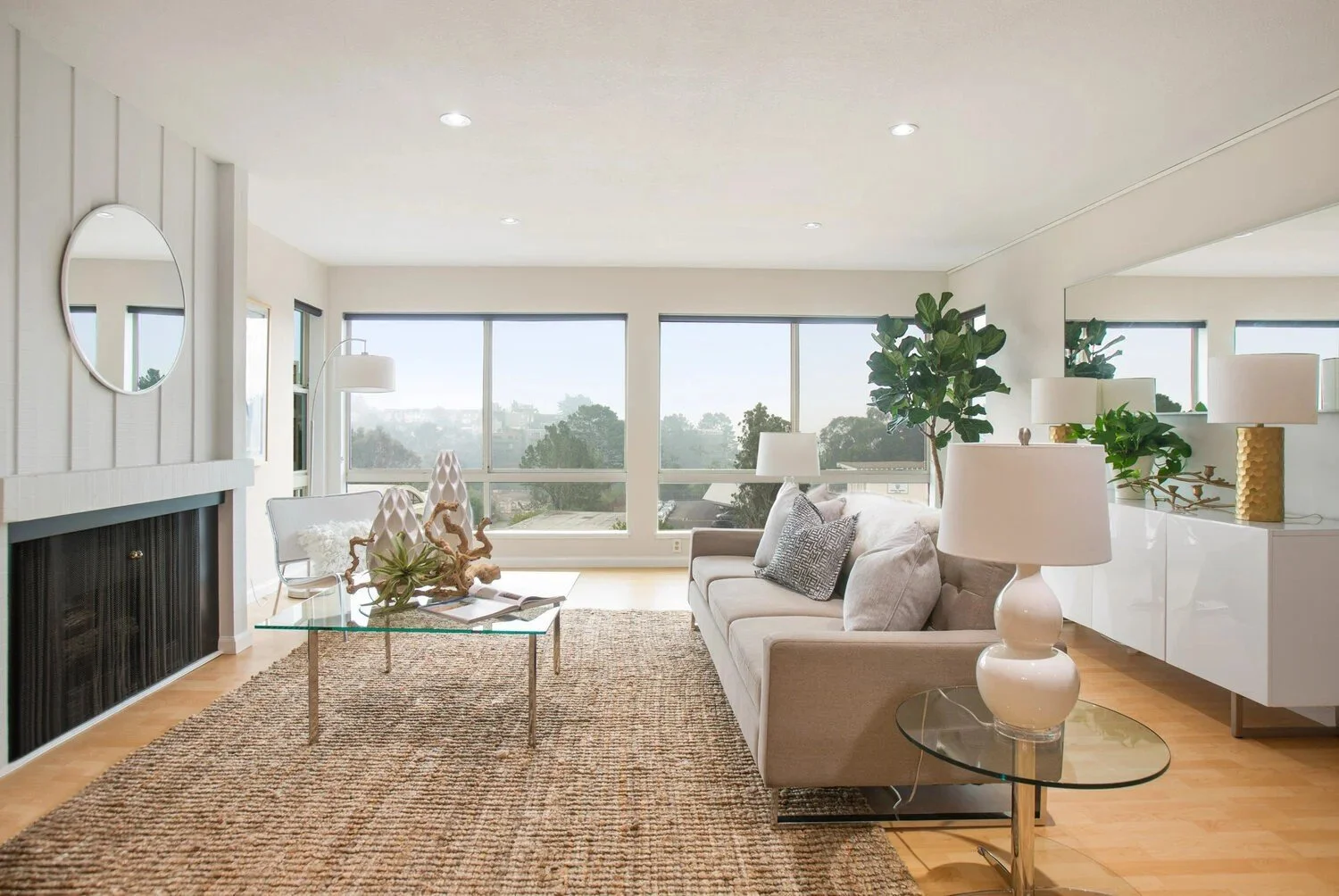
The first step is to recognize what type of property you are photographing, and what buyers are most likely to care about. This sounds basic, but it can shape nearly every decision made during the shoot. For example, a compact city condominium may focus on efficient use of space, natural light, modern finishes, and access to shared amenities. For a single-family home, the emphasis might be more on the bedrooms, living areas, storage, outdoor space, and the relationship between inside and outside spaces.
A larger luxury property could require attention to:
Architectural details
Custom materials and finishes
Views and outdoor spaces
Entertainment areas
Primary living spaces
Pools or landscaped grounds
Distinctive design features
This is where a clear property presentation strategy becomes useful. Instead of photographing every room with the same priority, the shoot can focus more attention on features that matter for that particular type of listing.
A townhouse with a rooftop terrace, for instance, should not devote the same amount of visual attention to a small utility area as it does to the terrace, main living room, and neighborhood views.
The photography plan should follow the strengths of the property.
Match Style to Architecture
Architecture can influence camera angles, composition, lighting choices, and the amount of detail included in the final gallery.
Modern properties often feature open layouts, large windows, clean lines, minimal finishes, and strong relationships between indoor and outdoor spaces. Photography for these homes may benefit from compositions that emphasize structure and simplicity.
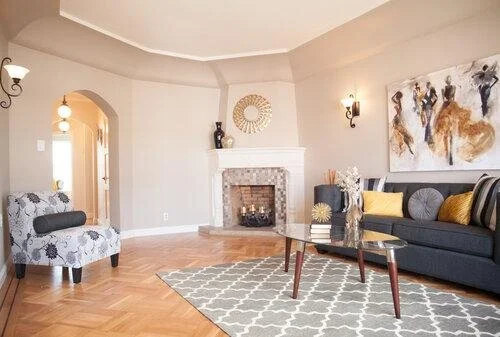
Traditional homes can require a different approach. Architectural details such as molding, fireplaces, built-in cabinetry, staircases, woodwork, or formal rooms may deserve more focused photographs.
An experienced Real Estate Photographer in San Francisco should be able to identify which features help explain the character of the home rather than treating every property as though it follows the same design style.
Consider a renovated Victorian property. Photographing only wide room views may show its size but miss much of what makes the home distinctive. A stronger gallery could combine wider compositions with selected photographs of original architectural elements, restored details, or updated finishes.
The same principle applies to contemporary residences. Too many close detail shots could make it difficult for buyers to understand the scale and openness that define the design.
Photography should support the architecture already present rather than forcing a visual style onto it.
What Do Buyers Notice?

Buyers are looking for different information depending on the type of home. A prospective downtown condo resident might study the living space, kitchen, bedroom size, windows, building amenities, and available views. A family looking for a suburban home might prioritize bedrooms, bathrooms, storage, yard space, and common living areas. Luxury buyers may want to see a broader visual picture. They may be interested in craftsmanship, landscaping, architectural design, entertainment areas, views, and premium finishes. So, San Francisco Real Estate Photography shouldn’t just duplicate the same checklist for every listing.
Before the shoot, it can help to identify:
Which rooms influence the buying decision most?
What feature separates this property from nearby listings?
Are exterior spaces important?
Does the home have a notable view?
Are there architectural details buyers should notice?
Which areas may need additional preparation?
For example, a two-bedroom condo with floor-to-ceiling windows may gain more from photographs showing the relationship between the living area and city view than from several similar bedroom photographs.
Thinking about likely buyer questions helps the photography remain useful rather than simply decorative.
Adjust for Property Size
Property size can also affect how a shoot should be approached.
Smaller properties require careful composition. The aim should be to show how the space functions clearly without using angles that make rooms feel misleadingly large. Accurate visual expectations matter because buyers may eventually visit the property in person.
Furniture placement, clutter, open doors, and camera position can make a noticeable difference in smaller rooms.
For example, a studio apartment may have sleeping, dining, and living functions within one main space. Photography should help viewers understand how those areas relate to each other instead of creating several disconnected images that make the layout difficult to follow.
Larger homes bring a different challenge. A gallery can become repetitive when every bedroom, hallway, and sitting area is given equal visual weight. Instead, Real Estate Photography Bay Area can prioritize the strongest spaces while still providing enough coverage for buyers to understand the property.
For larger listings, useful priorities may include:
Main living and entertaining areas
Primary bedroom and bathroom
Kitchen and dining spaces
Outdoor areas
Views
Special purpose rooms
Signature architectural features
The amount of photography should match the amount of meaningful information the property offers, not simply its square footage.
Consider Light and Location
Natural light can change significantly from one property to another, even within the same neighborhood.
A bright upper-floor condominium may receive strong daylight for much of the day. A lower-level unit surrounded by nearby buildings may require more careful timing and additional lighting control. Homes with large windows may also need photography planned around the direction of sunlight.
Location can affect exterior photography as well.
A property with attractive landscaping may benefit from wider exterior coverage. A home with a strong city or water view should include photographs that explain that relationship to the property. In dense urban settings, compositions may need to focus more carefully on the building entrance, exterior character, balcony, or nearby visual context.
Professional Real Estate Photography San Francisco should consider these conditions before the shoot rather than relying on exactly the same schedule for every listing.
Imagine two similar homes. One faces west and receives warm afternoon light, while the other has its strongest natural light earlier in the day. Photographing both at the same hour may not produce equally strong results.
Planning the timing around the home can help interiors look clearer and more natural.
The property's surroundings also matter. Exterior areas, courtyards, gardens, terraces, or views should be photographed when they meaningfully influence how buyers understand the listing.
Plan Images for Marketing

Real estate photographs are rarely used in only one place. The same image collection may need to support property listing platforms, agency websites, brochures, social media, email campaigns, presentations, and other marketing.
That makes image variety useful.
A horizontal photograph of a living room may work well for a listing or website banner, while vertical compositions may provide better options for social content. Exterior photographs can establish the property immediately, while selected detail images may support marketing for higher-end listings.
Before booking Real Estate Photography Bay Area, agents and sellers can consider where the final images are likely to appear.
A practical photography plan may include:
Main listing photographs
Website images
Social media content
Agent marketing material
Property brochures
Email promotion
Selected detail photography
For example, an agent preparing a luxury listing may need both wide photographs that explain the home and smaller visual details that support social promotion. A standard apartment listing may need a simpler image collection focused on clarity and complete room coverage.
Planning for actual marketing use helps avoid receiving many photographs that look attractive but serve nearly identical purposes.
It also makes the final gallery easier to use across different stages of the listing campaign.
Choose Photography With Purpose
Choosing real estate photography should begin with what the property needs to communicate, not with a fixed formula used for every listing. Property type, architecture, size, natural light, location, buyer expectations, and marketing plans can all change the right approach. A compact condominium may need clear, efficient compositions, while a luxury home may require broader coverage of architecture, views, outdoor areas, and distinctive finishes. The strongest Real Estate Photography Bay Area approach presents the home accurately while giving its most relevant features enough attention.
At Slava Blazer Photography, our team approaches each property as its own visual project rather than applying one standard shooting pattern to every home. Our professionals consider the character of the space, important selling features, light, layout, and intended image use before shaping the coverage. We aim to create photographs that feel polished and natural while giving agents and property owners a practical collection of images suited to the way each listing needs to be presented.
Frequently Asked Questions
Does every property need the same number of photographs?
No. The number of useful images depends on the property's size, layout, features, and marketing needs. Larger or more distinctive homes may need broader coverage than smaller, simpler listings.Should luxury properties be photographed differently?
Often, yes. Luxury listings may benefit from additional attention to architecture, finishes, outdoor spaces, views, entertainment areas, and other features that influence how buyers understand the property's value.How should smaller properties be photographed?
Smaller homes should be photographed clearly and realistically. Careful camera placement, clean rooms, simple styling, and thoughtful compositions can explain the space without creating misleading expectations.Does the time of day matter for real estate photography?
Yes. Window direction, natural light, exterior exposure, and surrounding buildings can affect when a property photographs best. Timing can be planned around the strongest available light.Where can real estate photographs be used?
Property photographs can support online listings, real estate websites, social media, brochures, email marketing, presentations, advertising, and other materials used to introduce a home to potential buyers.
