Why Clean Real Estate Photos Still Need Strategy to Win More Clicks

Clean, well-lit listing photos are the baseline now, not the advantage. Buyers scroll fast, compare multiple homes in seconds, and click the listings that feel easiest to understand and most worth their time. Strategy is what turns “nice photos” into images that guide attention, explain layout, and create confidence before a showing is even booked.
The goal is not to make a space look unreal. It is to make it look clear, inviting, and logically presented across platforms where thumbnails, crop styles, and photo order shape what people notice first. In San Francisco Real Estate Photography, strategy often decides whether a smaller home feels thoughtfully designed or simply tight, and whether a clean listing earns curiosity or gets skipped.
Read Click Behavior
A lot of agents assume buyers click because a home is staged perfectly. In reality, clicks often come from clarity. People want to understand the space quickly: light, flow, and function. When your photos answer those questions, buyers keep going instead of bouncing back to search.
A simple way to think about viewer behavior:
Thumbnails create the first “yes or no” moment
The first 3–5 photos decide whether people scroll further
Confusing angles or repetitive shots trigger drop-offs
This is where Real Estate Photography San Francisco benefits from planning around platforms, not just rooms. For example, a bright living area with visible depth usually wins more clicks than a close-up detail shot, even if that detail is beautifully photographed. Clean is good. Clean plus intentional ordering is what performs.
A quick real-life scenario: two similar condos go live the same week. The one that shows the living area, kitchen connection, and natural light first often gets more saves because it feels easier to “mentally walk through.”
Prep For Clarity
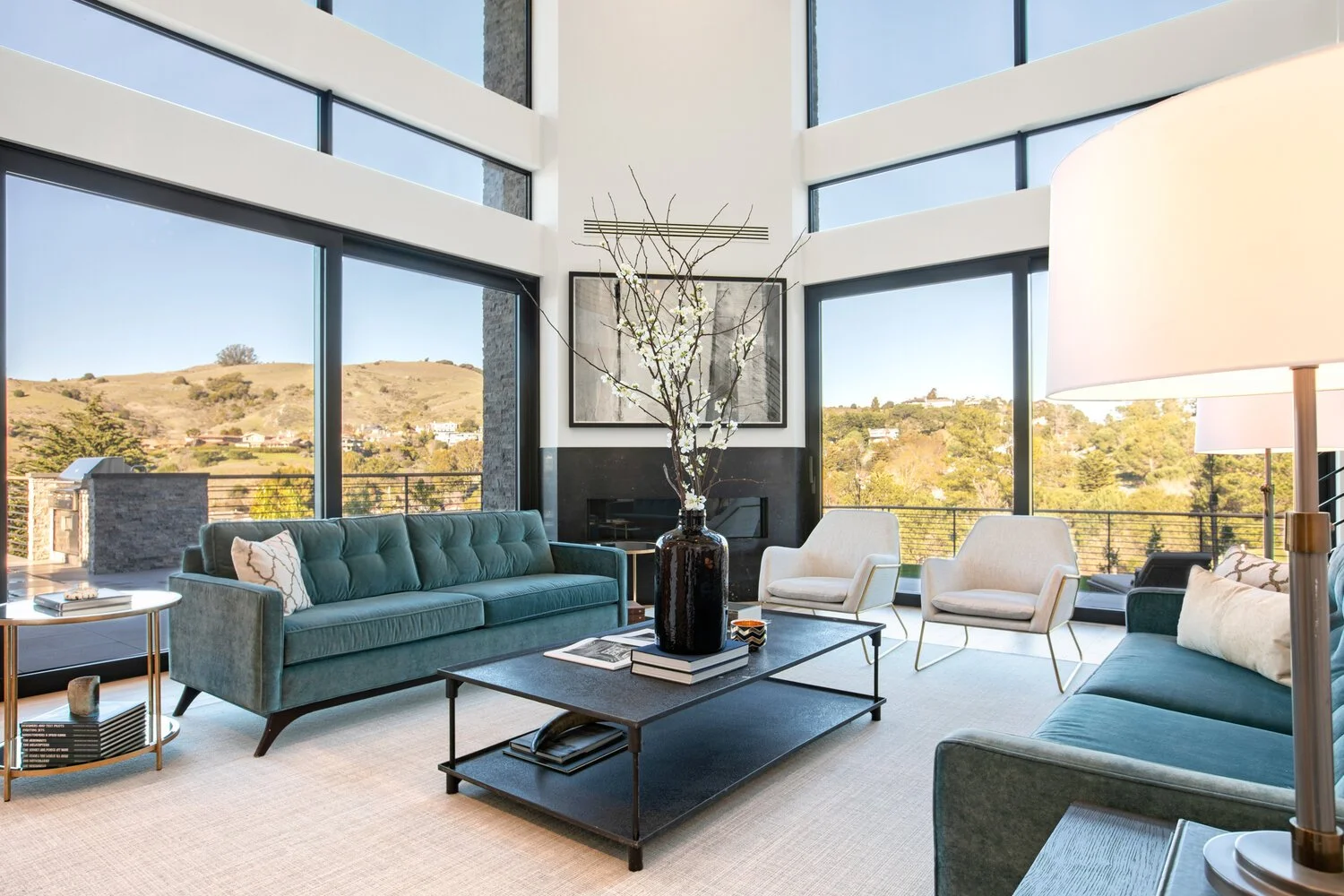
Strategy starts before the camera comes out. If a room is clean but visually noisy, it still photographs “busy.” Small distractions add up and make a space feel less premium than it really is.
Before the shoot, prep for what photos must communicate:
Remove extra items that shrink surfaces (mail piles, too many stools, stacked shoes)
Create one focal point per room (window, bed, seating zone, view)
Clear pathways so the room reads as livable
Keep décor minimal but purposeful (one throw, one plant, one framed piece)
This matters even more in Real Estate Photography Bay Area, where smaller layouts are common and buyers compare them back-to-back. A clean countertop is not enough if the space still feels tight because of visual clutter at the edges of the frame.
Use this once as a practical planning cue: strategy checklist for real estate listing photos can be as simple as “clear surfaces, open sightlines, consistent lighting, and one hero feature per room.” That checklist keeps you out of last-minute panic mode.
Light And Color
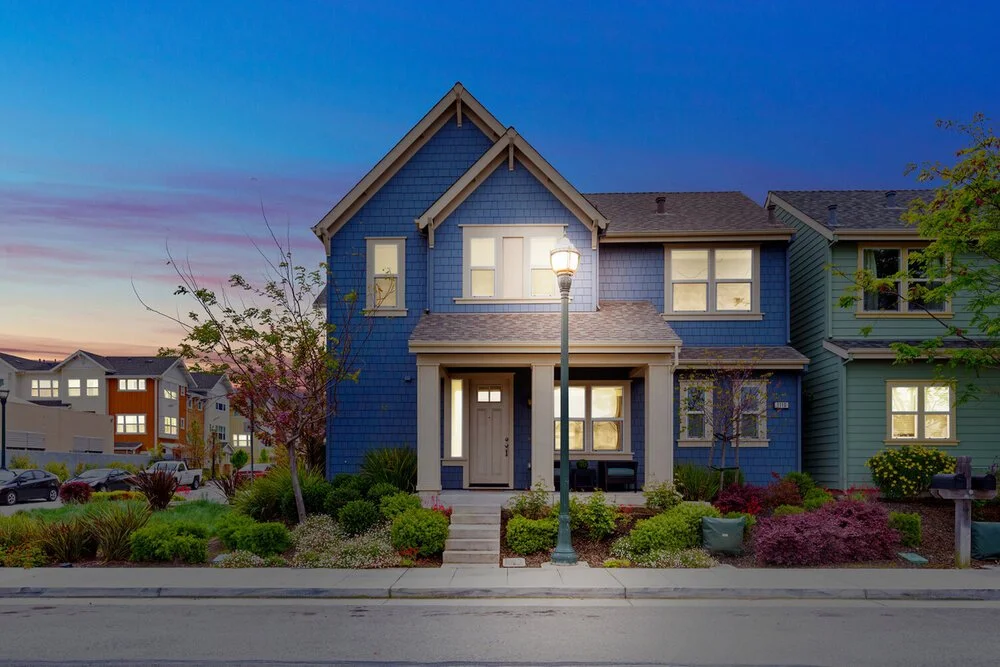
“Clean” photos can still lose clicks if the light feels dull or the color looks off. Buyers may not articulate it, but they sense when a room feels cold, yellow, or flat. Strategic lighting is about making the space feel honest and welcoming, not artificially bright.
A practical lighting strategy:
Replace dead bulbs and match color temperature room-to-room
Open blinds for natural light, but watch harsh glare on floors
Turn on lamps where they add warmth, not where they create hotspots
Clean windows and mirrors to avoid haze and messy reflections
One example agents recognize instantly: a small bedroom with one window can photograph beautifully if the bed is angled to show light falling across the room, rather than shooting into a dark corner. That tiny decision changes the emotional read of the space.
In San Francisco Real Estate Photography, this can be the difference between a home feeling “sunny and calm” versus “dark and cramped,” even when the room is tidy.
Composition That Converts
Composition is where strategy shows up most clearly. A room can be clean and bright, yet still earn fewer clicks if the angle confuses scale or hides how the room connects to the rest of the home.
A conversion-focused approach is built around three goals: show depth, show function, and avoid distortion.
Common composition wins:
Shoot from a height that feels natural, not overly high
Include doorways or corners to create depth and spatial logic
Use angles that show how rooms connect (living to kitchen, bedroom to hallway)
Avoid “too wide” shots that make edges stretch and feel unreal
This is especially important when you are doing San Francisco Real Estate Photography for condos or multi-unit buildings, where buyers are scanning for layout reassurance. A well-composed photo answers “Where would I place furniture?” without needing a floor plan.
A subtle example: photographing a narrow dining nook straight-on can look awkward. Photographing it from the kitchen entry, with a bit of the living area visible, makes it feel like a smart feature instead of an afterthought.
What Strategy Actually Means?
If someone asks, “What does strategy mean for listing photos?” the best answer is: it means planning the photo set like a buyer journey, not a room-by-room inventory.
Strategy usually includes:
Picking a hero image that works as a thumbnail
Sequencing photos so the viewer can follow the layout
Balancing wide shots with a few tight details for texture
Showing value features buyers care about (light, storage, parking access, outdoor space)
This is where Real Estate Photography San Francisco becomes more than a shoot. It becomes a marketing system. For example, if the kitchen is small but modern, you might lead with the living area for depth, then show the kitchen from an angle that highlights upgrades without making it feel tight.
Use this once as a practical question you can actually apply on upload day: how to choose photos for MLS thumbnail depends on what reads fastest in a small crop, usually natural light, depth, and a clean focal point.
Distribution After Upload
Even the best photo set can underperform if it is posted with the wrong order, the wrong first image, or inconsistent crops across platforms. Strategy extends beyond capture into distribution.
A practical post-shoot plan:
Choose a first image that holds up in thumbnail view
Keep the first five photos focused on layout clarity and light
Place detail shots later, once interest is already earned
Reuse the strongest images for email blasts and social posts
In Real Estate Photography Bay Area, where buyers often relocate and rely heavily on photos before touring, the way you distribute and sequence images can shape showing requests. A clean, logical flow reduces hesitation. It helps buyers feel like the listing is trustworthy.
A real-world example: an agent posts the same set on two platforms, but one platform auto-crops the first image into a tight square that cuts off the window. Switching the first photo to a wider, more balanced living room angle immediately improves engagement because the thumbnail now communicates light and space.
A Smarter Photo Plan
Clean photos are a starting point. Strategy is what makes those photos work harder: guiding attention, explaining layout, and building buyer confidence in seconds. When you prep for clarity, choose angles that show function, and sequence images like a buyer walkthrough, smaller spaces can feel intentional and valuable online.
That approach supports stronger clicks, saves, and showing interest without needing exaggeration. If you are investing in Real Estate Photography Bay Area, the biggest win is not just beauty, it is presentation that helps buyers understand the home fast and trust what they see. And at Slava Blazer Photography, our crew approaches San Francisco Real Estate Photography with that exact mindset, combining calm shoot-day direction with a marketing-led photo plan so your listing looks clean, clear, and genuinely click-worthy from the first frame.
Frequently Asked Questions
How many listing photos should be wide shots versus detail shots?
A strong balance is mostly wide shots that explain layout, with a few detail images for texture and upgrades. Many listings perform best when the first 70–80% of the set prioritizes clarity and flow, and detail shots are added later once the buyer is already interested.Do clean photos still need editing?
Yes, but editing should support realism. Light correction, straightening lines, and color balancing help rooms look accurate and inviting. Heavy edits that change the feel of the space can reduce trust, especially when buyers tour in person.What is the biggest mistake agents make with photo order?
Leading with the wrong first image. If the opening photo is dark, tight, or confusing, buyers often click away. Start with your clearest, brightest, most readable image, then build the story of the layout from there.
