The Role of Lighting in Real Estate Photography Success
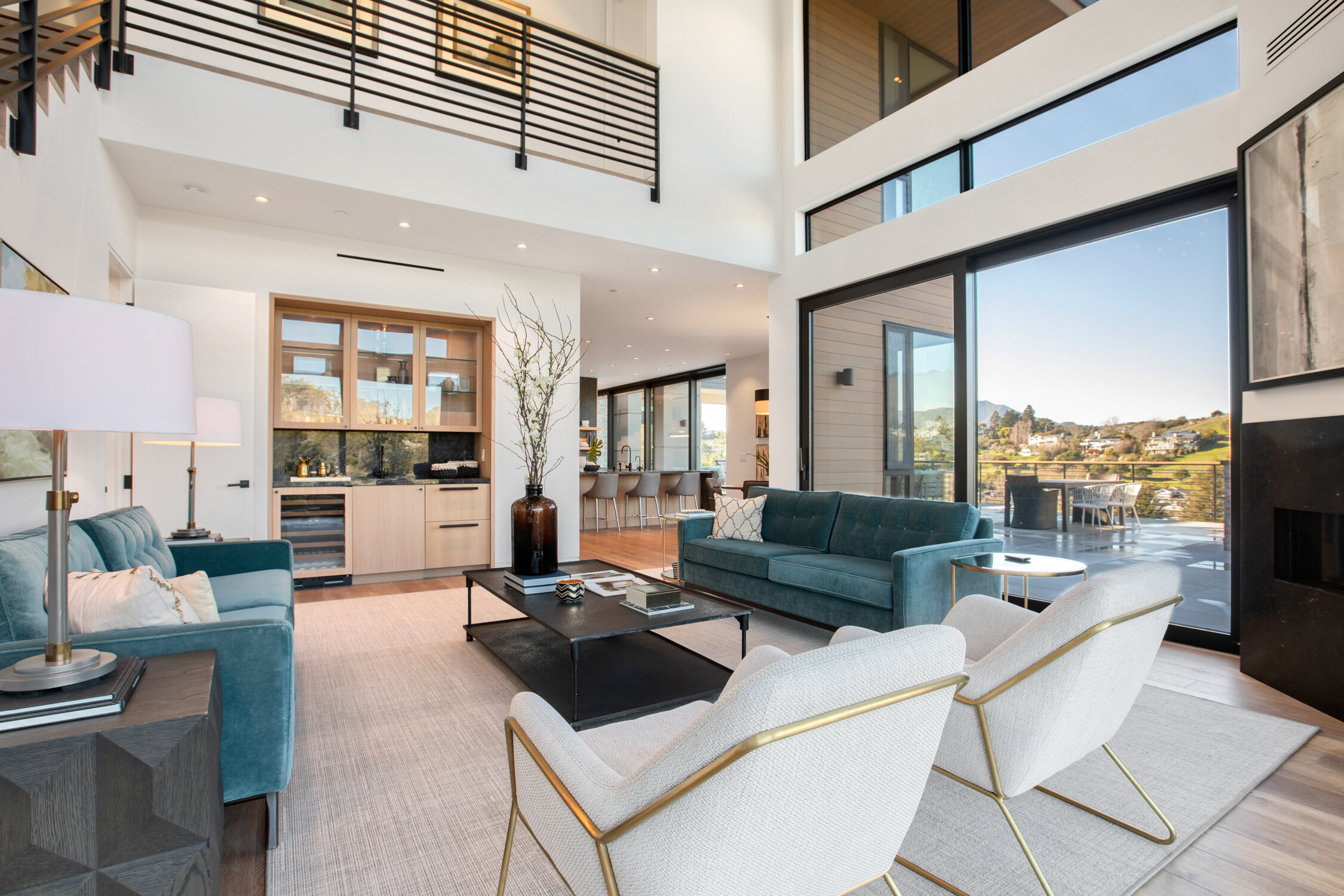
Big real estate decisions often start with a quick glance at a screen. Buyers scroll through dozens of listings in minutes, pausing only when something feels bright, welcoming, and clear. If photos look dark, flat, or confusing, they rarely give the property a second chance. In a city market, that first impression can be the difference between a full weekend of showings and a listing that quietly sits.
For agents and sellers, light is the ingredient that turns ordinary rooms into spaces people can imagine living in. When you invest in Real Estate Photography San Francisco homeowners can trust, you are really investing in how light is planned, shaped, and balanced. Done well, thoughtful professional real estate photography makes a home feel open and honest on screen, so in-person visits feel like a natural next step rather than a risk.
Why Lighting Matters
On paper, a property may look ideal: good neighborhood, sensible price, updated finishes. Yet if the photos are murky or filled with heavy shadows, buyers often assume the place is small, dated, or neglected. In reality, the rooms might feel great in person; the lighting simply did not tell that story. That is why, in work handled by Real Estate Photography Bay Area specialists, lighting is treated as a core marketing decision, not an afterthought.
A skilled Real Estate Photographer San Francisco professionals rely on uses light to guide the eye toward what truly sells the home: the flooring, height of the ceilings, flow between rooms, and any standout upgrades. Instead of letting the camera record whatever happens to be there, they actively shape how each space feels. The goal is simple: help the online experience match the best version of the home buyers will walk into.
Natural Daylight Strategy

Daylight is the most flattering source a property will usually get, but it rarely behaves politely. Fog, nearby buildings, and narrow streets can change a room’s mood from bright to dull in under an hour. Photographers who specialize in San Francisco Real Estate Photography pay close attention to how the sun moves across each façade before the shoot even begins.
They might schedule the living room for late morning when the light is soft but plentiful, and bedrooms for later in the day when the glow feels calmer. Outdoor areas are timed to avoid harsh shadows or squinting faces. This kind of planning is a major part of professional real estate photography. Instead of fighting the conditions, the photographer works with them so rooms feel naturally bright and open, without promising something the property cannot deliver in real life.
Smart Indoor Lighting
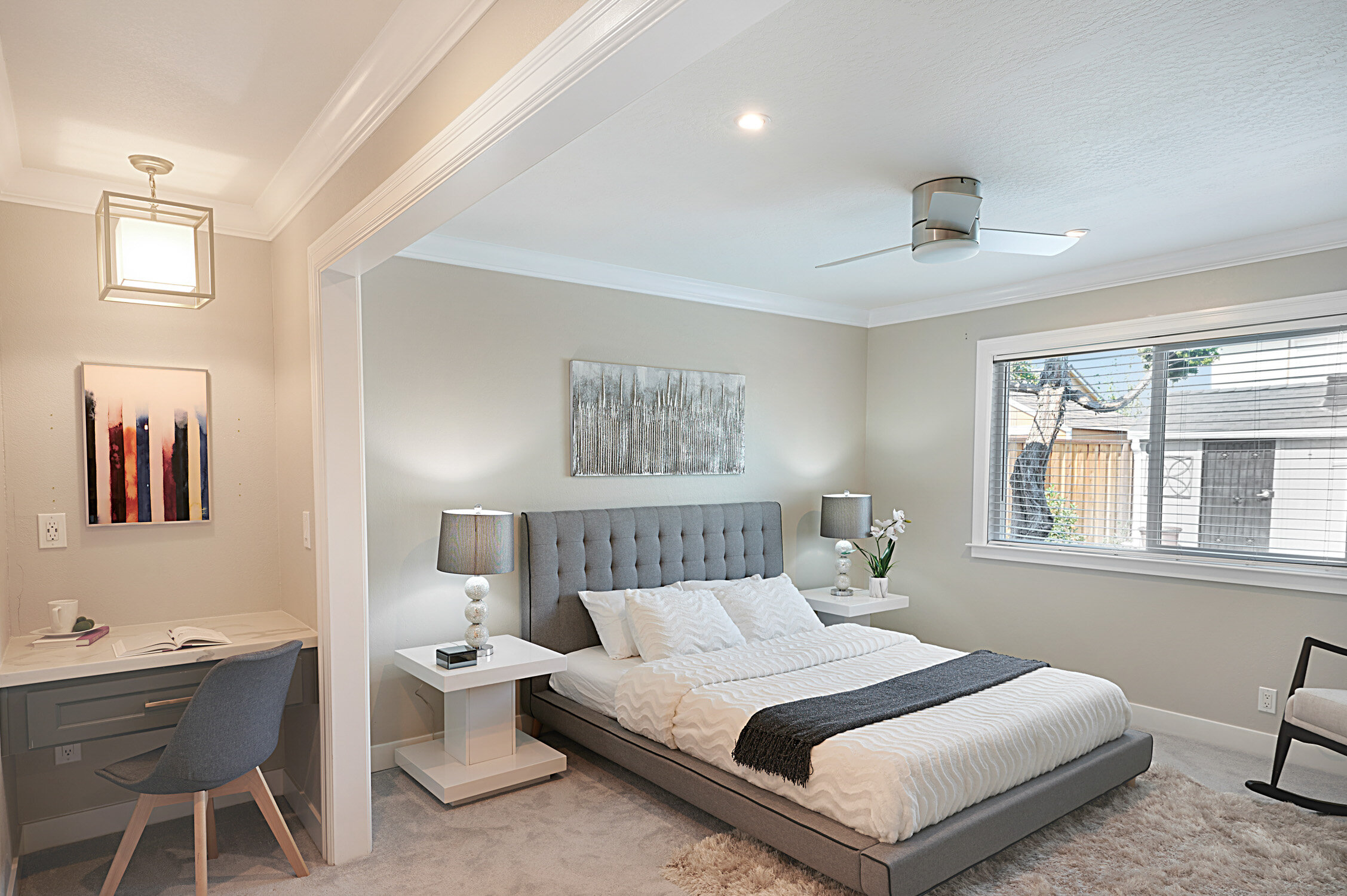
Not every listing comes with large windows, or an ideal orientation. In older apartments, on lower floors or in interior units, you don’t have much natural light to work with. In a Real Estate Photography San Francisco session in particular, a good photographer will walk through each room to determine how it currently looks on camera and where more help is needed. Small changes can alter a home’s presentation online:
Exchanging bulbs between mismatched pairs with a different goal: to have all lamps sharing the same color tone
Switching off fixtures which cause distracting bright spots on floors or countertops
Carefully placing off-camera to light up dark rooms and hallways
Installing dimmable lighting that provides a warm, comforting glow in living and dining areas
These are the choices that keep colors from performing oddly across a room and help compact city spaces read as cozy as opposed to cramped. Even a tiny studio can feel intentional and cared for when the light has been attended to.
Handling Windows Well
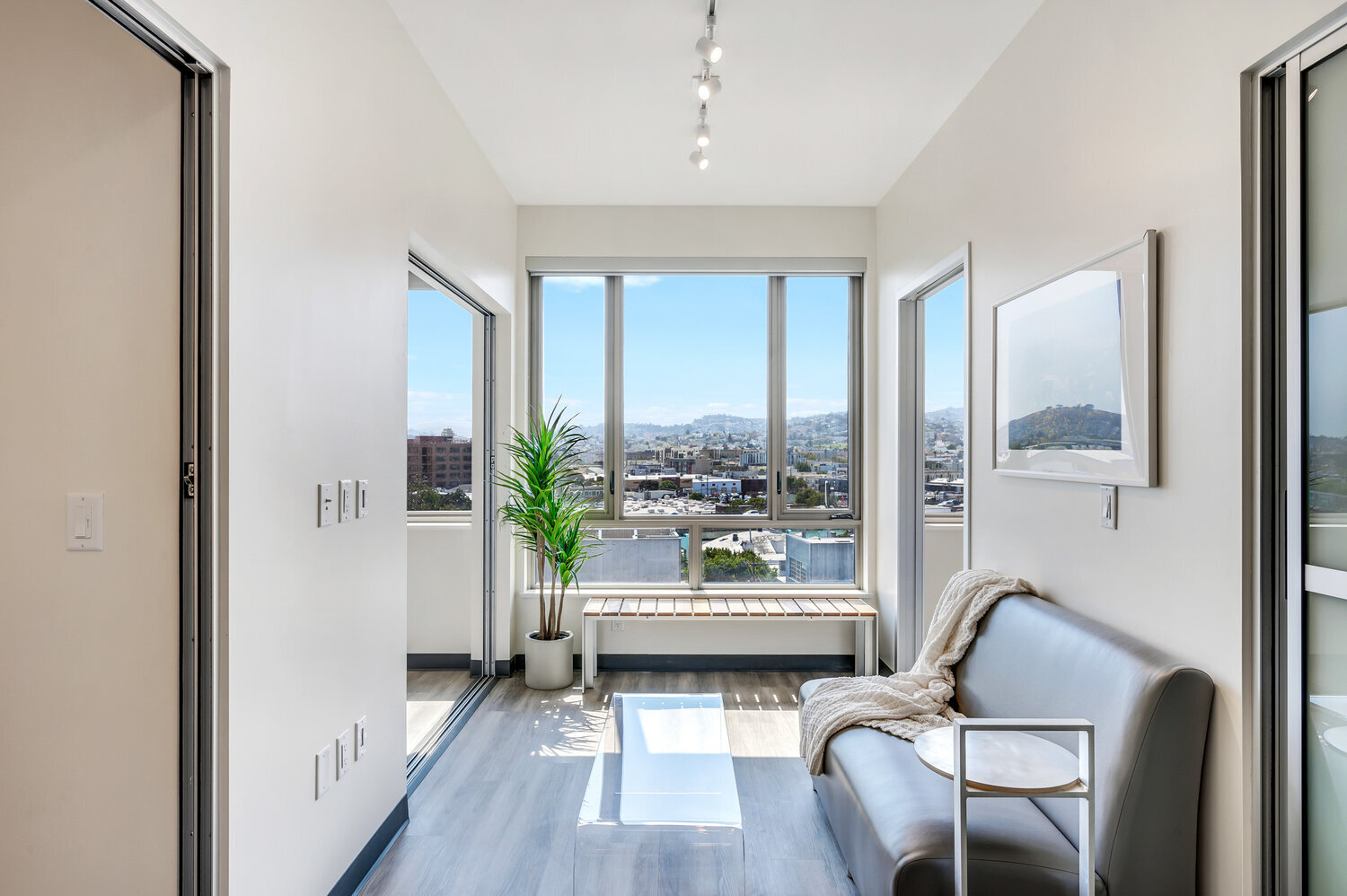
In many homes, views are a major selling point. A peek of the skyline, a courtyard or stand of trees that can be seen from a window can make one listing pop, for example. But windows are the brightest part of many scenes, which makes them tricky. If the camera exposes for the view, the room can become a dark silhouette; if it exposes for the room, the exterior may wash out completely.
Now, teams familiar with real estate photography Bay Area work use the exposure logically, shoot multiple frames, and choose their angles smartly to strike a balance between both. They might take multiple images to illustrate the space and the view clearly, or move over a bit to avoid tough glare. Reflections in glass, shiny floors and even mirrors are also monitored so the photographer and equipment do not show themselves. The result is a photo where buyers can still see the view but also grasp the layout and scale of the room.
Marketing With Light
Listing photos now travel much farther than the MLS. They appear in social media ads, email campaigns, printed flyers, and agent websites. That means every image is doing two jobs: marketing a specific property and saying something about you as a professional. When you work with a Real Estate Photographer San Francisco agents trust, lighting decisions are made with that bigger picture in mind.
Consistent, well-lit images across an entire set make your brand feel organized and attentive to detail. A small starter condo photographed with care can show that you take all clients seriously, while a luxury home with beautifully lit interiors confirms that you can handle high-end listings. Even after a particular property has sold, that visual standard continues to support your reputation and helps your next listings gain traction more quickly.
Tying It All Together
In the end, lighting is what turns a set of walls and windows into a place that feels like a potential home. It highlights the best features, softens the weaker ones, and gives buyers the confidence that what they see online will match what they experience at a showing. By treating light as a central part of your marketing, you help every listing stand out in crowded search results and make better use of the time and money you have already invested in preparing the property.
We at Slava Blazer Photography build every real estate session around light and how it will serve your goals. We are proud to provide Real Estate Photography San Francisco agents and owners can rely on, capturing everything from compact city condos to larger family homes across the region.
Our team plans for natural conditions, brings professional lighting tools, and works efficiently so your listing goes live with strong images as quickly as possible. If you are ready to see how thoughtful San Francisco Real Estate Photography can elevate your next listing, we would be glad to help you create photos that attract attention, build trust, and support a faster sale.
Common Lighting Questions
What time of day is best for real estate photos?
There is no single perfect time; it depends on the direction of the windows and the layout of the home. Many properties look great in late morning or mid-afternoon, when light is bright but not harsh. A good photographer will choose different times for front exteriors, backyards, and main living areas so each one benefits from its best natural light.Do I need to prepare the lights before the photographer arrives?
It helps to make sure all fixtures work and bulbs match in color and brightness. Beyond that, your photographer will usually decide which lights to leave on, which to turn off, and where to add their own equipment. Following their direction keeps rooms from looking patchy, with bright spots in one corner and deep shadows in another.Can lighting really impact the speed a home sells?
It’s not just lighting, but of the many people who can go look right now and booking a showing. Bright, clear and consistent photos make it easier for buyers to grasp a space quickly and visualize themselves in it. If an online image is warm and authentic feeling, they create enough trust for a buyer to move on to the next step: seeing the property in person.
