How to Capture Product Photos That Convert Shoppers into Buyers
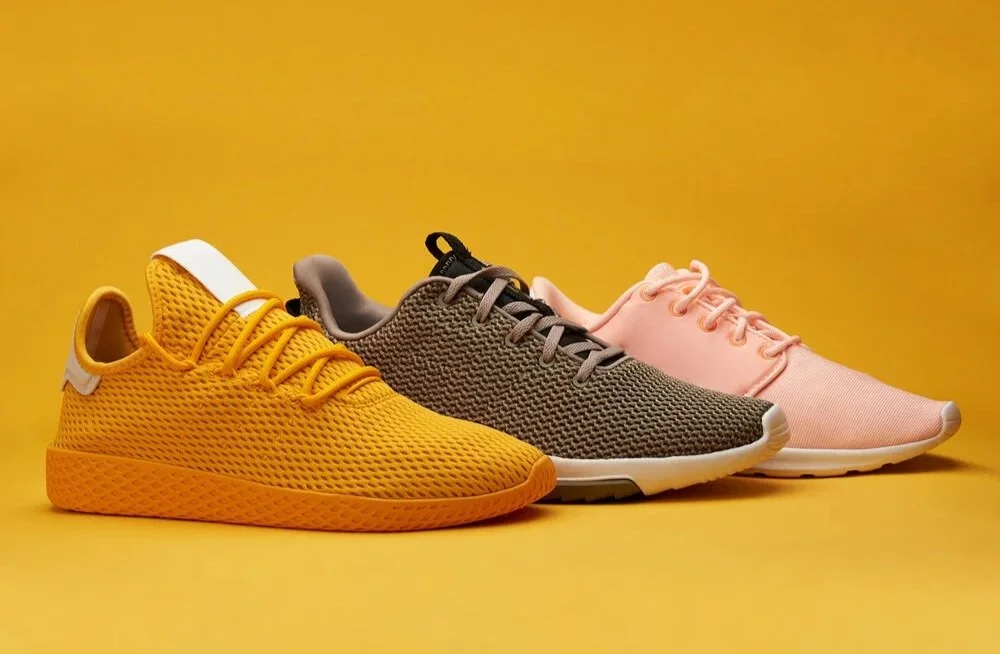
Some of your most important sales conversations happen without a single word. A shopper lands on your product page, glances at the images for a few seconds, and decides whether to stay, scroll, or close the tab. In that tiny window of time, your photos are doing all the talking. If they feel flat, confusing, or low quality, people assume the same about the product itself and quietly move on.
Strong visuals give you the opposite effect. When you invest in Product Photography San Francisco brands rely on, you are creating a digital version of “picking the product up in a store,” turning a quick glance into real interest. Thoughtfully planned images become High Converting Product Photos that support your copy, reduce hesitation, and help shoppers feel confident enough to click “add to cart” instead of “back.”
Why Product Photos Matter
On the internet, your product pictures are the stand-in for touch, weight and texture. Even a mere bottle, bag or gadget must be able to somehow communicate its quality, weight and purpose through look alone. This is why so many brands who are growing consider their imagery a critical part of their sales strategy, not an afterthought. In a market where there’s so much competition, average photos say “this is just another option,” but striking images say “you’ll want to pay attention.”
For business owners who depend on Ecommerce Product Photography, these images provide measurable value:
They decrease returns by providing clear and accurate expectations.
They respond to frequently asked questions before customers ask support.
They can serve to make your brand look better established and professional even in the early days.
Shiny visuals are not just about technical sharpness; they instill confidence. It’s that trust that turns a browser into a someone who feels comfortable buying.
Planning a Clear Visual Story
Before you even set up a light or lift your camera, it can be beneficial to consider what each image needs to say. A Professional Product Photographer will often begin by inquiring where the photos are going to live: a Shopify site, Amazon listing, wholesale catalog, social media ads. There are slightly different requirements with each platform and it makes sense to take account of these in advance to save on pain at the back end.
While planning your shoot, it may be useful to think simple “image roles,” such as:
Simple bold, hero image of the product center screen on a solid base.
All close-up shots showing texture, materials or details as necessary.
Have scaled pictures of the product in a hand, on a shelf, up against known objects
Life style shots of the product in use in real situations
For instance, a skincare brand might want close-ups of textures for its website, while for a coffee roaster lifestyle shots centered on people enjoying a cup could be more important. In each instance, the story remains the same: Show shoppers what life is like with your product in it.
Lighting That Sells Detail
Light is what turns a good concept into an image that actually converts. In Product Photography San Francisco, lighting has to work with reflective packaging, screens, glass, or metal, all without hiding important details. Done well, it brings out true color, texture, and shape so the product feels tangible rather than flat.
In a studio setting, you will often see a mix of soft, diffused light to avoid harsh shadows and small highlights to give products a dimensional feel. For highly reflective items like cosmetics or electronics, careful positioning of lights prevents distracting glare while still keeping a polished finish. When you aim for High Converting Product Photos, every highlight and shadow should have a purpose: guiding the eye, clarifying shape, or creating a premium feel that matches your brand’s price point and promise.
Backgrounds, Angles, and Crops
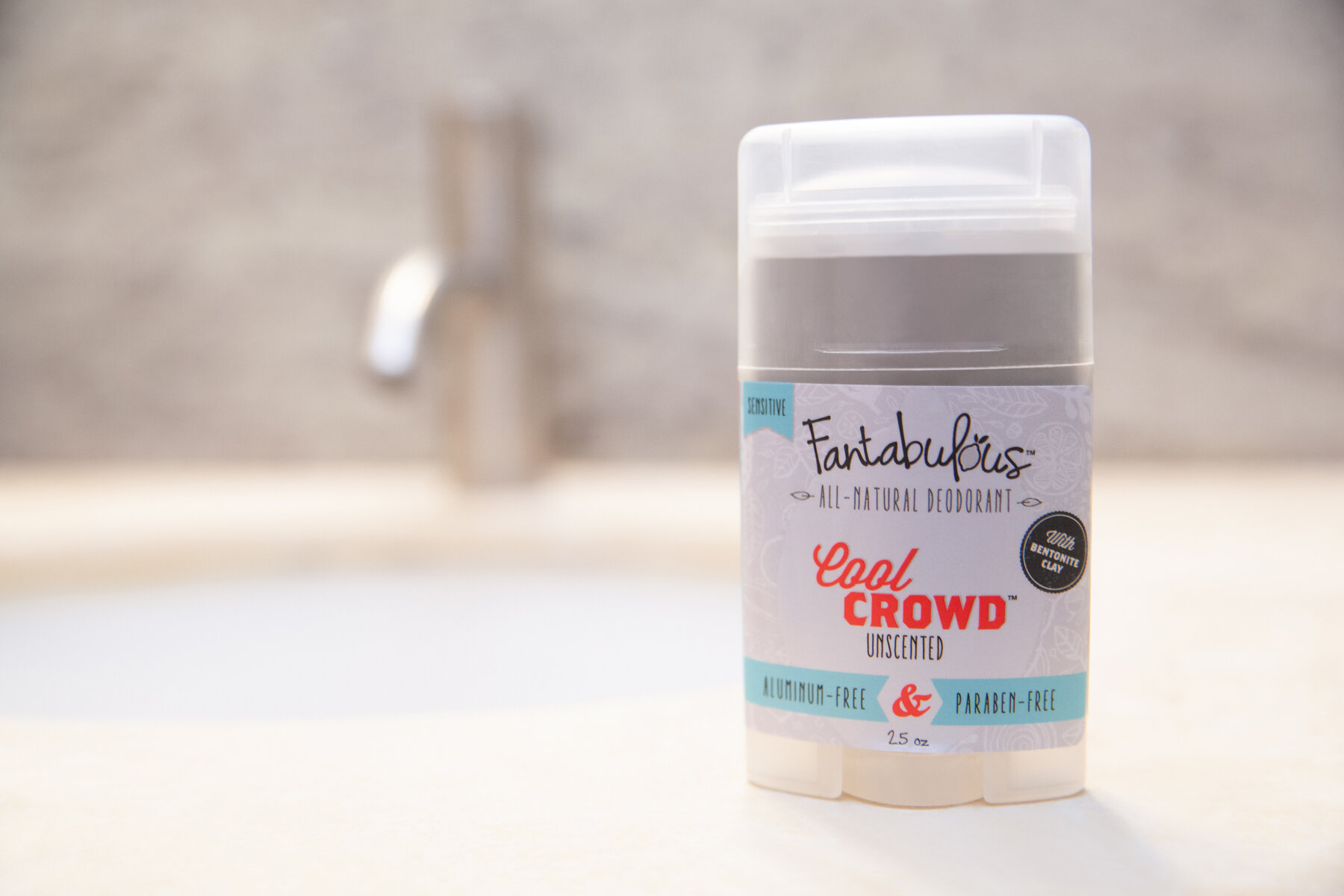
Composition is where you translate real objects into images that make sense on a screen. A cluttered background or awkward angle can make even a beautifully lit product feel confusing. On the other hand, a simple background and thoughtful framing give shoppers room to focus on what matters.
For a clean catalog look, a Product Photographer San Francisco Bay Area clients hire might rely on neutral backgrounds and consistent angles so your collection pages feel organized. For advertising or social media, they may introduce color, props, or texture that supports your brand story without stealing the spotlight. Cropping also matters: tight crops can emphasize details and craftsmanship, while wider frames give context and breathing room. The aim is always clarity. A shopper should know what they are looking at, how it might fit into their life, and what makes your version different.
Showing Products in Real Life

Conversion often happens when a shopper is finally able to picture themselves using the product. That is where lifestyle images come in. Instead of just showing a mug, you show someone holding it on a morning walk. Instead of just a backpack, you show it packed for a weekend trip. These scenarios are especially powerful for Ecommerce Product Photography, where customers cannot touch or try anything in person.
Lifestyle shots can be simple and honest. A small business selling handmade jewelry might photograph pieces on a model in natural window light. A food brand might show a finished dish on a kitchen counter with a few ingredients nearby. The goal is not to build complex sets; it is to create relatable scenes that answer unspoken questions like “Where would I use this?” and “Does this fit my style?” When done well, these images work beautifully across product pages, emails, and social ads.
Working With a Product Specialist
You can do a lot with a smartphone and a DIY setup, but there comes a point where you want a consistent, elevated look that matches the effort you put into your products. That is when collaborating with a Product Photographer San Francisco Bay Area businesses trust becomes valuable. A specialist brings not only gear, but also experience: knowing how to handle tricky materials, plan shot lists, and keep colors accurate from capture through editing.
A Professional Product Photographer will also think ahead about cropping for marketplaces, file sizes for fast-loading sites, and how your images will read on both large monitors and small phones. Many studios offer both classic white-background images and lifestyle sets, so you get everything you need from one session. For a local brand selling in both online and physical stores, that might mean standard catalog photos for the website plus styled images for window displays and print materials, all captured in a single, well-planned shoot.
Tying It All Together
When you step back from the technical details, great product photography comes down to respect: respect for your product, for your customer’s time, and for the decision they are trying to make. Clear, honest images help people understand what they are buying, how it works, and why it is worth their money. By planning a visual story, using light thoughtfully, and showing your products in real-life contexts, you turn ordinary pictures into a quiet but powerful sales team that works for you every hour of the day.
Our team at Slava Blazer Photography, we approach every product shoot with that mindset. We understand that your images are not just “content”; they are often the first and only chance to win a customer’s trust. As a studio focused on Product Photography San Francisco brands can grow with, we blend studio precision with lifestyle creativity to deliver galleries you can use across your website, marketplaces, and campaigns.
If you are ready to work with a Product Photographer San Francisco Bay Area businesses rely on for clean, conversion-focused visuals, we would be proud to help you create product photos that work as hard as you do.
Product Photography Q&A
How many images are truly necessary for each product?
The number of images required depends largely on the product’s complexity. In most cases, a strong product listing should include one primary hero image, two to four close-up or detail shots, and one or two lifestyle images. For more complex products, such as electronic devices or bundled sets, additional angles and visuals may be essential to address potential customer questions and minimize hesitation.Is it appropriate to combine studio and lifestyle photography within a single product listing?
Absolutely. In fact, combining both styles often produces the most effective results. Studio images ensure clarity, precision, and visual consistency, while lifestyle photography introduces context and emotional appeal. Together, they provide customers with both the practical details they require and the inspiration to envision the product integrated into their own lives.How frequently should product photography be updated?
A complete reshoot is not necessary every season. However, updating your visuals becomes important when you introduce new packaging, enhance product features, or evolve your brand identity. If your existing images no longer reflect the quality of your offering or fall behind the visual standards of competitors, it is typically a clear indication that a refreshed photoshoot is warranted.
