How Bay Area Agents Can Make Smaller Spaces Look More Valuable Online
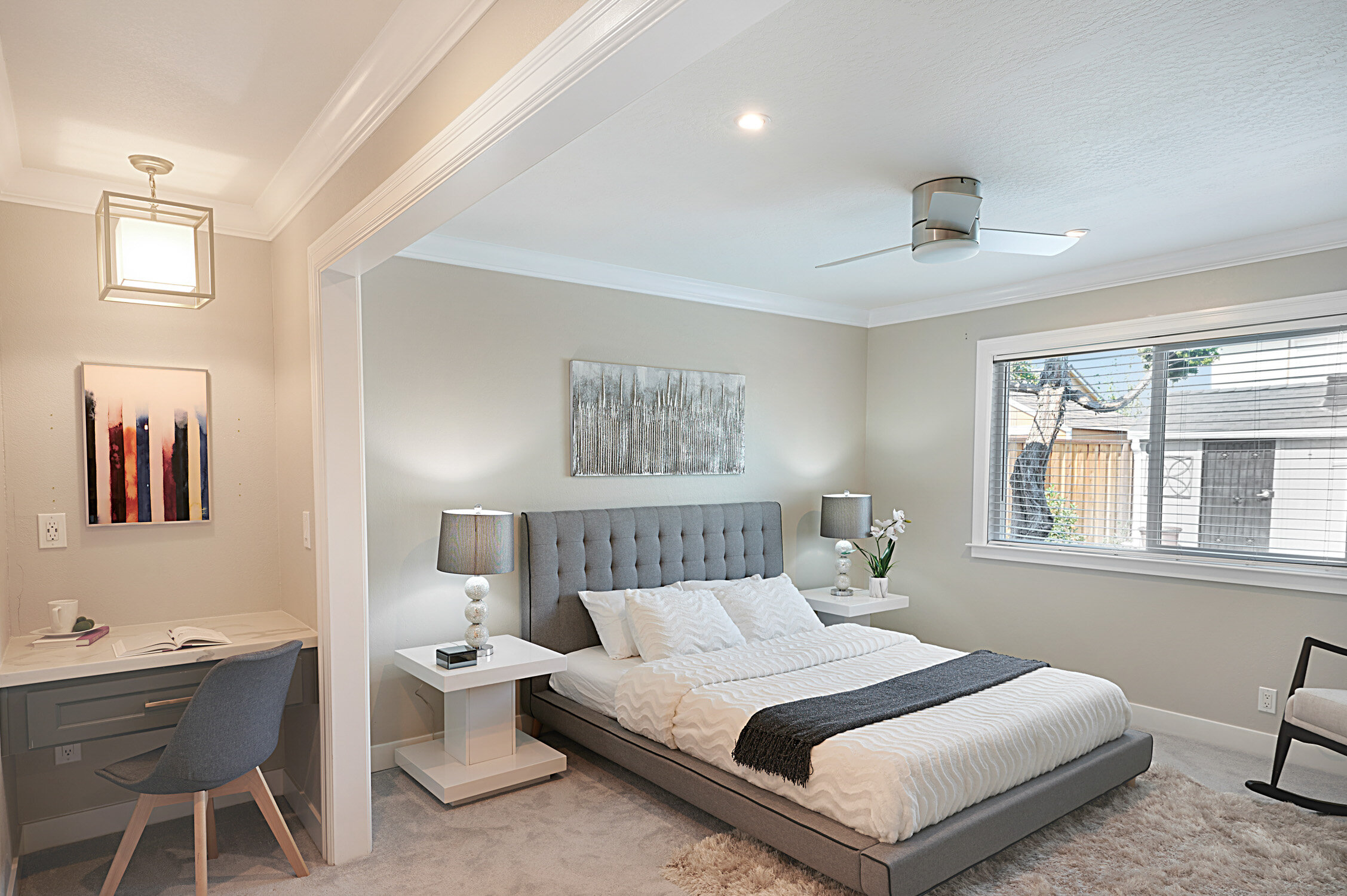
Smaller listings can absolutely look premium online when the photos are planned with intent, not luck. The key is to make the space feel bright, functional, and easy to understand in a fast scroll, without making it feel misleading. That means preparing the room for clean sightlines, choosing angles that show depth, using light that keeps colors honest, and styling just enough to help buyers imagine daily life there.
Agents who invest in Real Estate Photography Bay Area often see stronger click-through interest because the images do not just “show a room,” they communicate comfort, layout, and value. And when you work with a Real Estate Photographer San Francisco, you typically get guidance that helps smaller spaces read as thoughtfully designed rather than cramped or temporary.
Value Starts Pre Shoot
If a small room looks tight online, it is rarely because the room is “too small.” It is usually because the space is trying to do too many things at once in the frame. Before photography begins, your job is to reduce visual noise so the room can speak clearly.
A practical pre-shoot approach:
Remove extra chairs, baskets, and floor items that break up walk paths
Clear countertops until only one or two purposeful items remain
Keep cords, chargers, and trash bins out of sight
Make beds and sofas look structured, not sinky
One real example: a compact studio near downtown can photograph beautifully when the bed area and living area are separated with a simple rug and one clean side table. Buyers instantly understand how the space works, which makes it feel more valuable.
If you are planning Real Estate Photography San Francisco, it helps to remember that many buyers are comparing several smaller units at once. Clean preparation makes your listing feel “ready,” not “compromised.”
Make Small Rooms Pop?
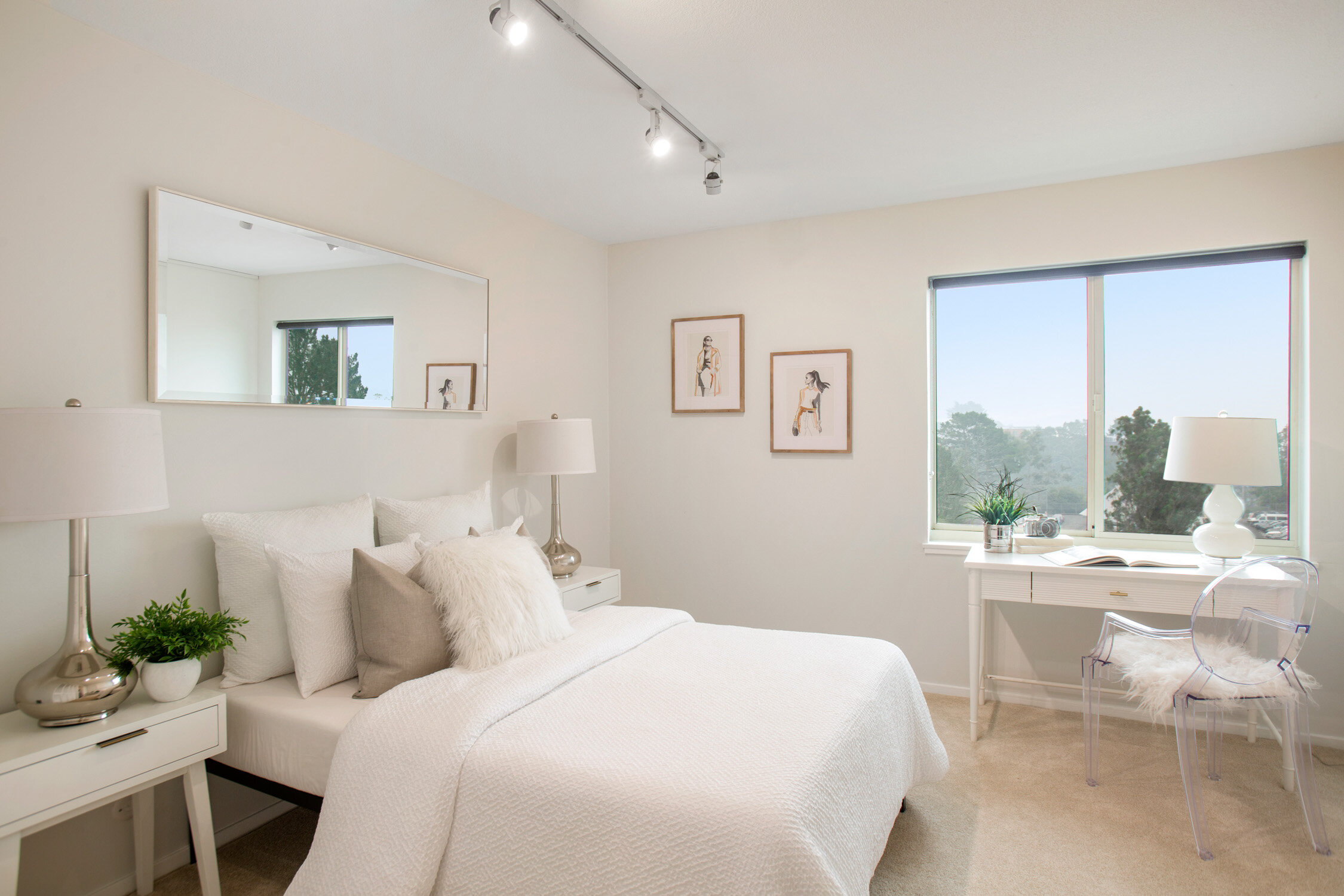
Yes, but the trick is not “make it look bigger.” The trick is “make it look better used.” When a small room feels valuable, it is because the photo shows purpose, comfort, and flow.
Here is what usually elevates smaller spaces:
One clear focal point per room (bed, window, dining nook, view)
Balanced styling that suggests lifestyle, not clutter
Consistent color story so the room feels calm and intentional
Clear pathways so the viewer senses movement and ease
This is also where staging guidance matters. A simple change like shifting a coffee table six inches can open the center line of sight and immediately reduce that boxed-in feeling.
A helpful planning phrase agents often use before shoot day is: how to stage a small condo for listing photos. Done well, it prevents last-minute styling decisions that add stress and reduce photo quality.
When Real Estate Photography Bay Area is approached with this kind of planning, even a smaller bedroom can look like a smart, desirable choice instead of a limitation.
Light That Feels Real
Lighting is where “valuable” is either created or destroyed. Over-dark photos make a space feel closed-in. Over-edited brightness can make buyers feel suspicious. The goal is honest light that still looks inviting.
A few practical lighting wins:
Turn on lights with matching color temperature where possible
Open blinds for natural light, but avoid harsh midday glare
Replace dead bulbs and clean light fixtures beforehand
Keep mirrors and glossy surfaces clean to avoid messy reflections
In smaller spaces, windows are powerful. A well-photographed corner with natural light can make the entire unit feel calmer and more livable. This matters in tight kitchens and compact living rooms where buyers want reassurance that the space will not feel gloomy at 4 PM.
A strong Real Estate Photographer San Francisco will also watch for mixed lighting that turns walls yellow or blue. Those color shifts can quietly reduce perceived quality, even when the room is nicely designed.
Angles Show Function
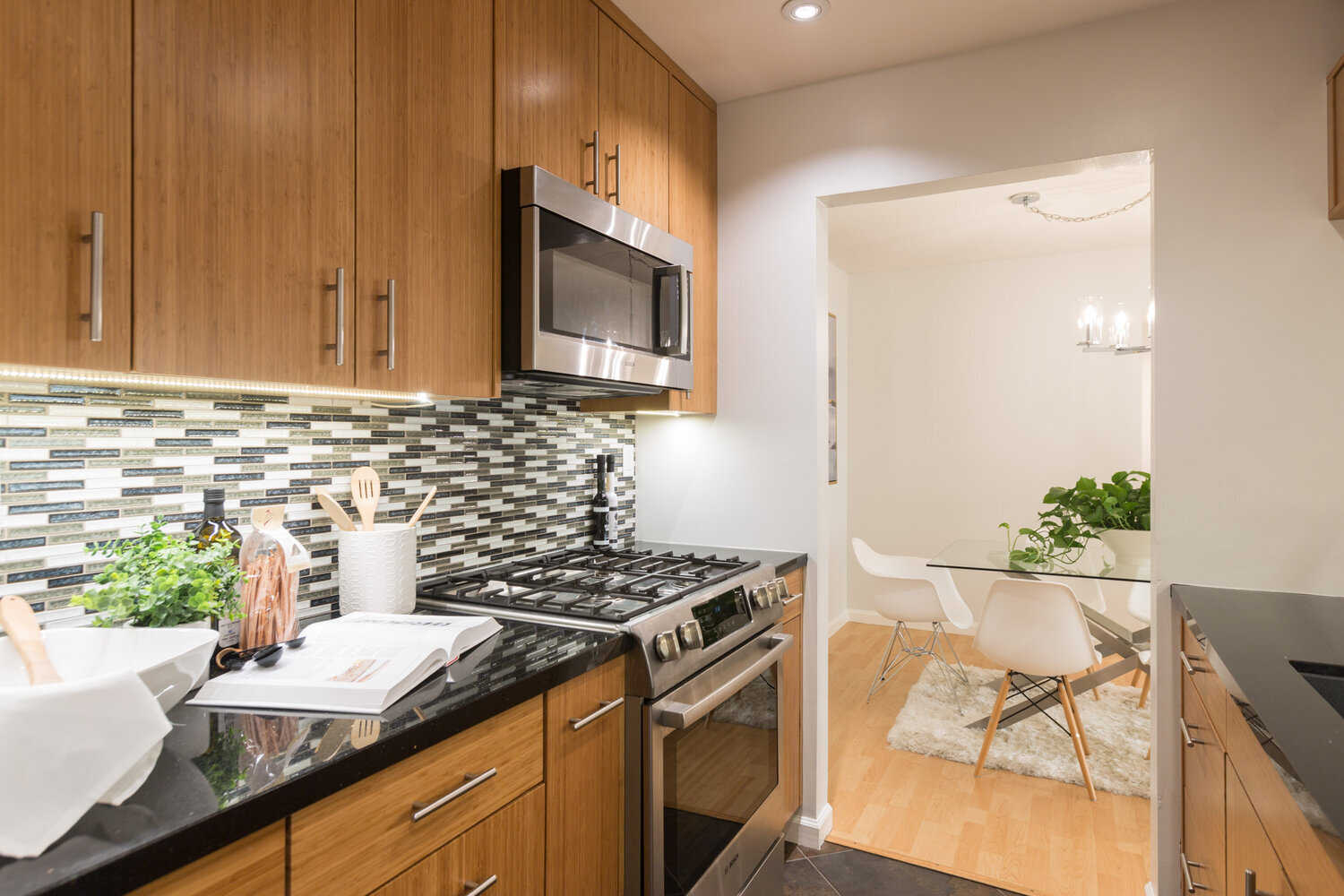
Angles are not just about “making it wide.” They are about helping the viewer understand how the room works. In small homes, the biggest buyer fear is confusion: “Where does the table go?” “Is there enough clearance?” “Does this layout actually work?”
A smart angle strategy:
Show depth by including doorway lines or a visible corner
Avoid shooting too high, which can distort the room
Use a frame that communicates proportion, not exaggeration
Include one reference object (like a sofa edge) to make scale feel real
Here is a real-life example: a narrow dining nook can feel like a selling point when photographed from the kitchen entry, showing the table placement and walking clearance. That same nook can look awkward if photographed straight-on with no depth.
One long-tail phrase that captures what many agents need help with is: best angles for compact living room real estate photos. It is not about tricks. It is about making the layout look understandable in one glance.
This is where Real Estate Photography San Francisco becomes especially valuable, because many buyers shop quickly and decide which homes to tour based on immediate clarity.
What Creates Online Value?
Online value is not only “pretty photos.” It is confidence. Buyers click, pause, zoom, and decide whether the listing feels worth their time. Strong images reduce doubt and increase curiosity.
Here is what tends to raise perceived value in smaller listings:
A consistent visual story from room to room
A calm, tidy look that suggests the home is well maintained
Photos that show storage, flow, and livability
Honest brightness that feels welcoming, not artificial
Where these photos get used matters too. They power:
MLS listings and brokerage websites
Zillow, Redfin, and similar listing platforms
Agent Instagram posts and short listing reels
Email campaigns to buyer lists
Pre-tour materials sent to serious buyers
When a space is small, the marketing “job” of photography becomes even more important. Buyers must feel like the home is thoughtfully presented, not just documented. That is why Real Estate Photography Bay Area is often a practical investment for agents who want to compete in crowded search results.
Use Photos Everywhere
Many agents still treat listing photos as a one-time MLS upload. But small spaces benefit when the images are used strategically across channels, because repetition builds familiarity and trust.
Smart ways to reuse the same shoot:
Lead with the most inviting image for platform thumbnails
Post a carousel that explains layout (“living area,” “sleep zone,” “storage”)
Use one bright kitchen shot for buyer emails
Feature a window-view image to create an emotional hook
A quick example: a compact one-bedroom near transit can attract serious interest when the photos highlight the natural light, storage, and clean flow to the kitchen. If you post those in a sequence that tells a story, the space feels more complete.
The best approach is to let the photography do more than “prove the home exists.” Let it show why the home works.
A Smaller Space Advantage
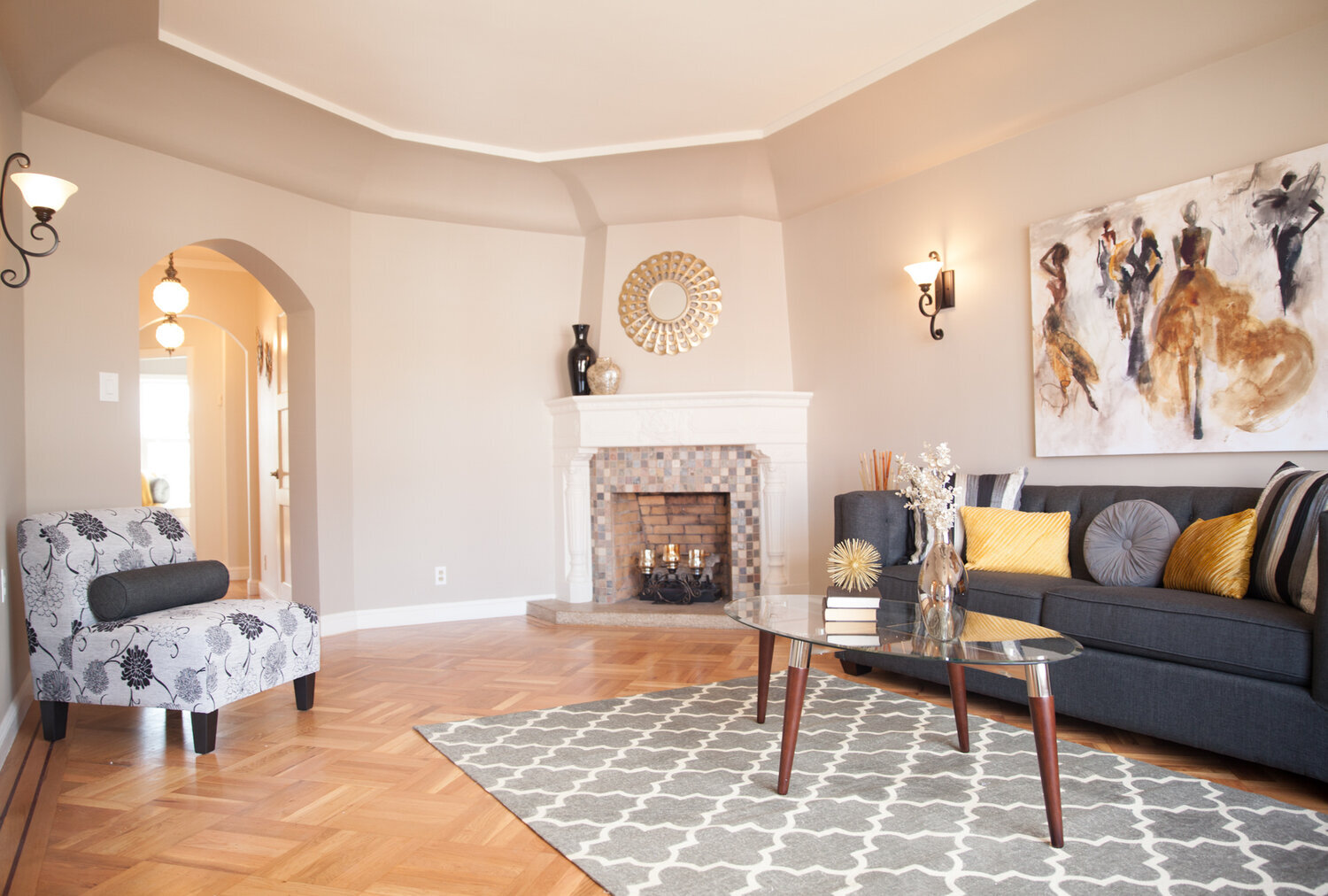
Small spaces can photograph beautifully when they are presented with clarity and intention. The most valuable listings are the ones that help buyers imagine daily life quickly: where they sit, where they store things, and how the layout flows. If you plan preparation, styling, and angles around function, your photos can make a compact home feel smart, polished, and desirable.
When you invest in Real Estate Photography Bay Area, the goal is not to exaggerate size, it is to elevate perceived quality and reduce buyer hesitation. And at Slava Blazer Photography, our team approaches small listings with calm direction and detail-focused planning, so agents walk away with images that feel honest, bright, and genuinely market-ready. If you want a Real Estate Photographer San Francisco who can guide the process without fuss, that structure can make all the difference.
Frequently Asked Questions
Should small listings always be staged before photography?
Not always, but they should always be simplified. Even light staging helps when it clarifies how the space functions. If full staging is not possible, removing clutter and adding one or two purposeful accents can still improve results.How many photos should a small property listing include?
Enough to make the layout easy to understand without repeating the same angle. Most listings benefit from a clear set covering living area, kitchen, bedroom, bathroom, and one or two features like storage, balcony, or view.Do wide-angle lenses make small rooms look misleading?
They can if used aggressively. A professional approach uses wide angles to show layout while keeping proportions realistic, so buyers feel the listing matches what they see in person.
