How First Time Actors Can Prepare for a Headshot Session Without Stressing Out
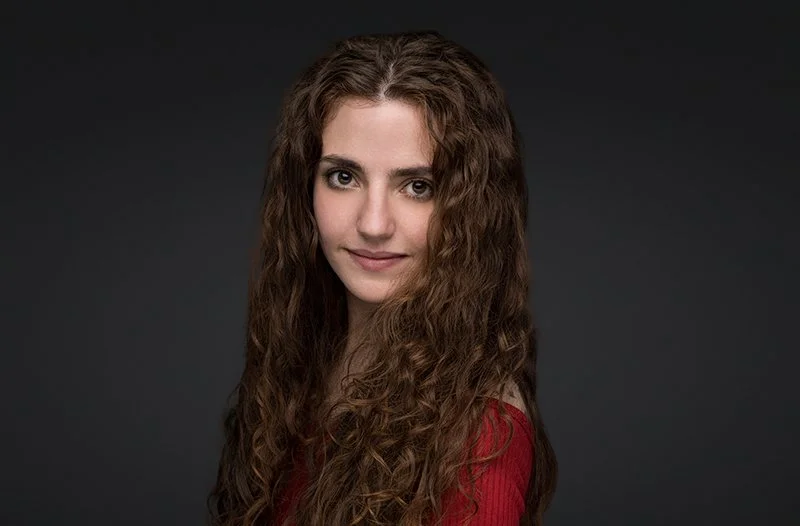
If you are new to acting, a headshot session can feel like a spotlight you did not ask for. The good news is that you do not need to “know how to be photogenic” to get strong results. You need a clear plan, a few role-friendly choices, and a photographer who can coach you through small adjustments without making it feel awkward.
When you prepare well, you walk in with fewer unknowns, your body relaxes faster, and your expressions start to look like you on a good day. That is exactly what casting wants: believable, current, easy-to-read images. With Actor Headshots San Francisco, the difference between a stressful shoot and a steady one usually comes down to preparation, pacing, and direction.
Clarify Casting Goals
Stress often shows up when you are trying to cover every possible role in one session. Instead, aim for clarity. Think about what you are actually submitting for in the next few months, not what you might do someday.
A practical way to narrow it down:
Decide whether your priority is commercial, theatrical, or a mix
Identify 2–3 role types you get compared to most often
Pick a “primary” look that feels most like your everyday professional self
For example, a first-time actor in the Bay Area might be auditioning for tech ads, lifestyle content, or corporate training videos. In that case, your main headshot should read friendly, competent, and current. Another look can lean slightly more dramatic for indie film submissions. You are not pretending to be different people. You are showing range without losing authenticity.
When you work with a Headshot Photographer San Francisco, this is where good coaching starts: it helps you avoid guessing and keeps the session focused on what casting will actually use.
Build A Simple Kit
You can lower anxiety quickly by packing like you are preparing for a workday, not a makeover. The goal is to remove “little problems” that spiral into stress once you arrive.
Bring a small, realistic kit:
3–5 outfit options on hangers (including one simple, timeless top)
Pack a lint roller, a couple of safety pins, and a small comb or brush for quick fixes between shots.
Bring water and a light snack that keeps you comfortable without leaving your mouth dry.
Keep a few simple touch-up basics on hand, like blotting paper, a little powder, and lip balm.
Save a few headshots you truly like on your phone, so you can show the vibe you’re aiming for.
A real-life example: a first-time actor once showed up with great outfit options, but forgot deodorant and a lint roller. For the first 10–15 minutes, they felt distracted and tense, and you could see it in their shoulders and tight jaw. As soon as those little details were sorted, they relaxed noticeably and the photos got better right away.
If your session is in the city, build in extra time for parking and arrival. People underestimate how much calmer they feel when they are not rushing. That calm matters, especially for Headshots SF, where the pace of the day can otherwise sneak into your face.
Choose Wardrobe Wisely
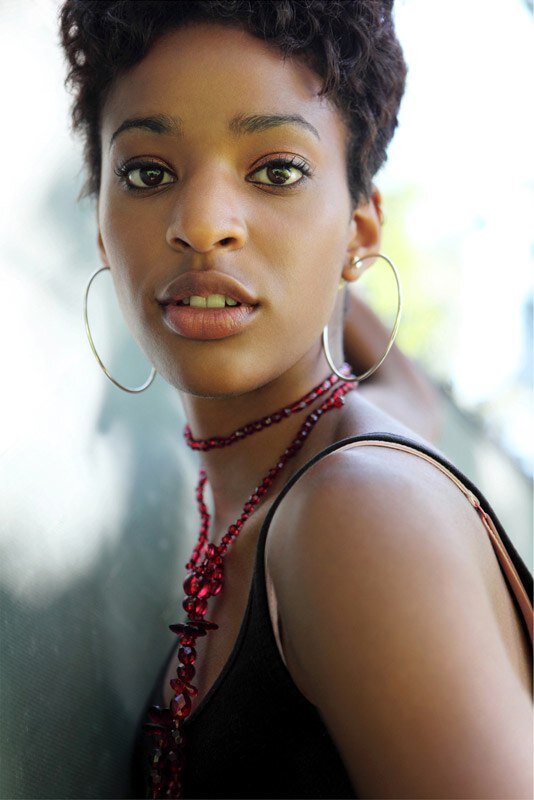
Wardrobe stress usually comes from trying to “look like an actor” instead of looking like someone a casting director can place. Your clothing should support your face, not compete with it.
Start with what reads clean on camera:
Solid colors or subtle texture often work better than busy patterns
Necklines should frame the face, not distract from it
Avoid loud branding, heavy logos, and overly shiny fabrics
Keep at least one look neutral and versatile
Then add one or two looks that gently guide the viewer toward your casting lane. Think: “approachable professional,” “smart creative,” “friendly neighbor,” “grounded and serious.” These are readable, useful directions that still feel like you.
A quick tip that helps first-timers: try your outfits in daylight near a window, take a few phone photos, and notice what pulls attention away from your face. That small practice can prevent a lot of second-guessing on shoot day.
And if you are working with a Headshot Photographer San Francisco, they can usually tell you in seconds whether a collar, color, or fabric is helping you look more open and castable.
How Should You Pose?

Most first-time actors tense up because they think posing is a performance. It is not. Posing is simply small, repeatable body choices that keep you looking comfortable and confident.
A grounded approach that works for beginners:
Set your feet, then soften your knees (it reduces stiffness)
Relax your shoulders down and slightly back
Bring your chin forward a touch, then down a fraction
Breathe out slowly right before the shutter
That last point is the secret many people miss. The breath-out relaxes the jaw, the eyes, and even the forehead. If you feel your smile turning “stuck,” reset by taking a breath and letting your expression return to neutral.
Here is a real example: a beginner actor kept forcing a big smile because they thought casting wanted cheerful. Once they tried a softer, listening expression, they looked more approachable and real. That image ended up being their most-booked submission photo. This is also where a good photographer earns their value. Actor Headshots San Francisco succeed when the direction is clear and the energy stays calm. You should not have to invent poses. You should be guided into them.
Plan Session Flow
A headshot session feels less stressful when it has a rhythm. You start simple, build confidence, then add variety. When you jump straight into your most “important” look, pressure rises too quickly.
A steady flow could look like this:
Begin with your easiest outfit and a neutral expression
Add warmth and small emotional shifts once you feel settled
Change wardrobe only after you have a few strong “safe” images
Finish with the look that requires the most energy or specificity
This is where preparation helps you stay present. Some first-time actors even bring a short note on their phone with the purpose of each look. Not a script, just a reminder like: “commercial friendly,” “serious and grounded,” “creative professional.”
If you want to be very organized, think in terms of a first audition headshot preparation plan: what you wear, what each look communicates, and what casting context it fits. When you treat it like a simple plan, the session stops feeling like a personal test.
Where Will Photos Go?
A headshot is not just a picture. It is a working asset that gets used in specific places, and knowing those places helps you choose the right style and final images.
Common uses for first-time actors:
Casting profiles and submission platforms where images appear as small thumbnails
Email submissions where clarity matters instantly
Agency portals that compare headshots side-by-side
Personal websites, press kits, and social profiles used for professional discovery
This is why “too artistic” can backfire early on. If the lighting is moody, the background is busy, or the edit feels heavy, your face can become harder to read. Casting does not want a mystery. They want a person they can imagine in a role.
For Headshots SF, this matters even more because so many auditions overlap across corporate, commercial, tech-adjacent, and lifestyle projects. A clean, believable image can travel across more opportunities.
Also, keep retouching realistic. Minor cleanup is fine, but you should still look like you on an average audition day. The most helpful headshots feel honest, not perfected.
Step Into Confidence
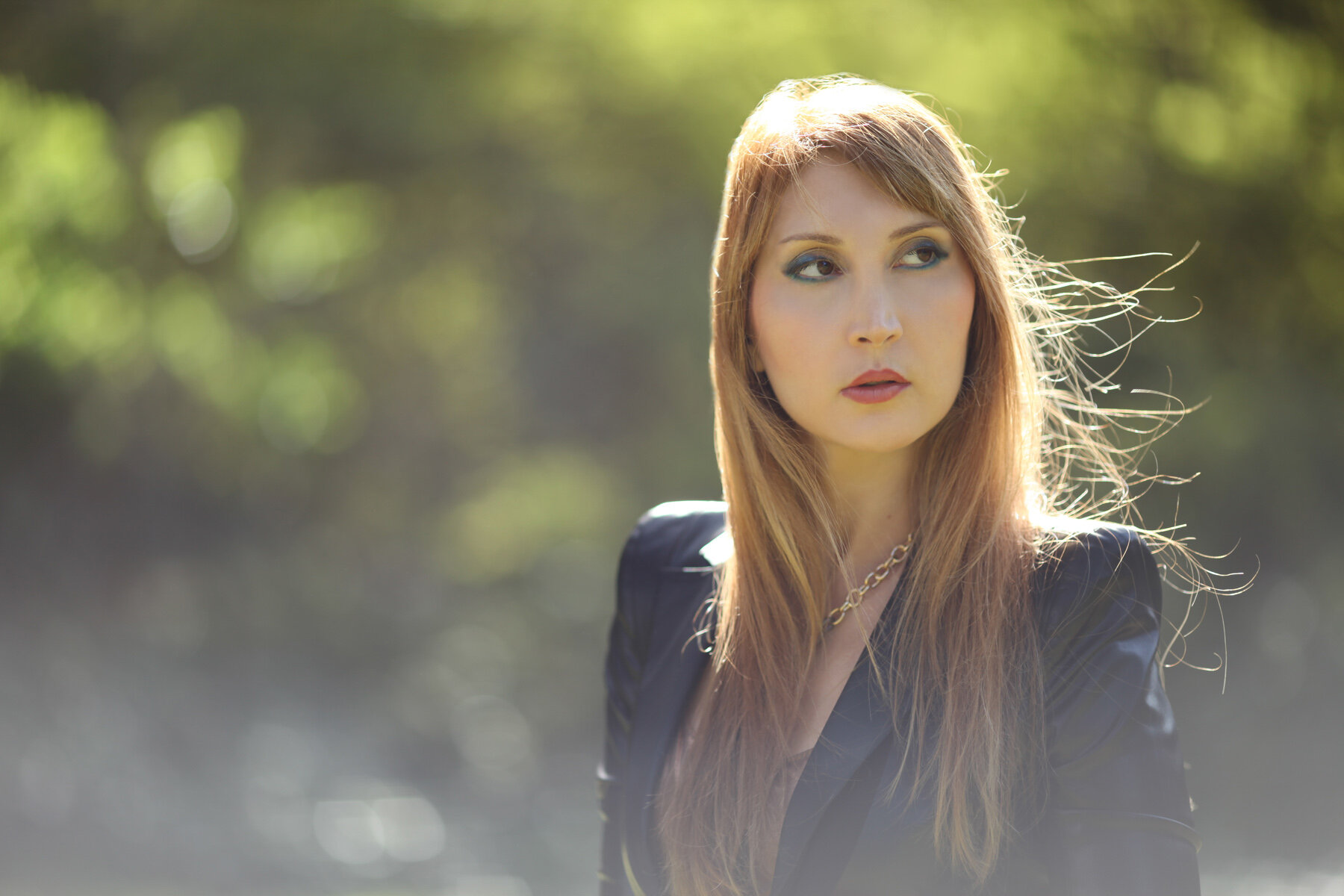
A first headshot session becomes easier when you stop treating it like a verdict on your talent. It is simply a practical step that helps people picture you in a role. Prepare your wardrobe with intention, bring a small kit that removes distractions, and trust a guided session flow that starts simple and builds comfort. When the process feels calm, your expressions look more natural, and the images become more usable across castings and platforms.
If you are aiming for Actor Headshots San Francisco, the best results usually come from steady coaching rather than trying to “perform” for the camera. At Slava Blazer Photography, our team keeps the experience relaxed and structured, using natural expression coaching for actors and clear posing direction so first-timers leave with confident images that feel like them. That is how strong Headshots SF are made: simple planning, good guidance, and a calm room.
Frequently Asked Questions
How many final headshots should a first-time actor select?
Most beginners do well with 2–4 final images: one commercial-friendly option, one more neutral or dramatic look, and one additional image that supports the roles they target most.Should headshots be taken indoors or outdoors?
Either can work well. Studio/indoor headshots often look cleaner and more consistent, while outdoor shots can feel more natural, lifestyle-based, and relaxed. The right choice depends on where you’ll be using the photos and the type of roles you’re submitting for.How often should headshots be updated?
Update your headshots anytime your look changes in a noticeable way, or if your photos no longer match what casting sees in auditions. Many actors refresh their headshots about every 12–24 months to keep everything current.
