Planning Video Production That Feeds Weeks of Social Media Posts
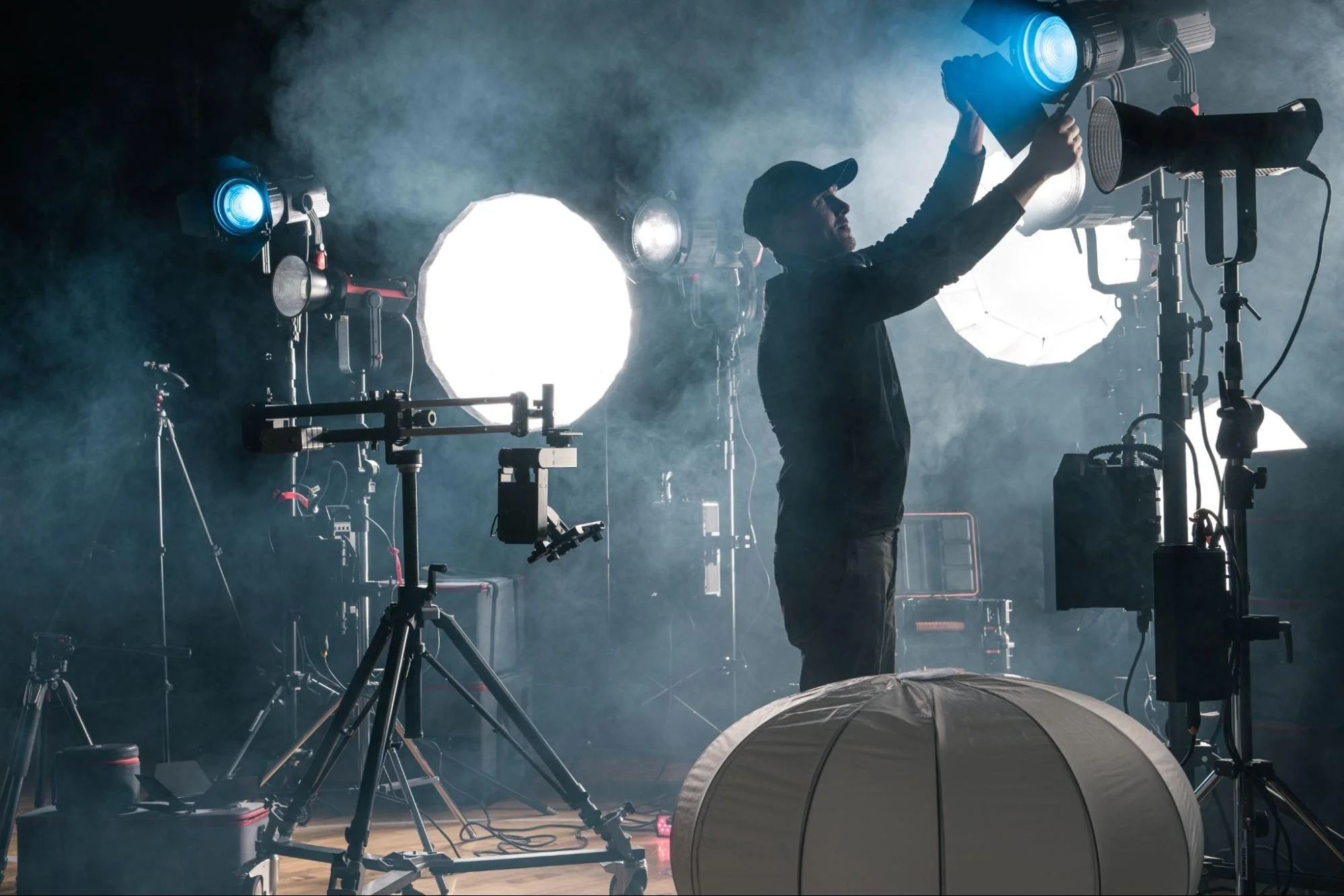
Almost every business knows they should be posting more video content. The real challenge is not ideas, it is capacity. You plan one shoot, pour time and budget into it, publish a single polished video, and then the feed goes quiet again. It feels like a lot of effort for not much runway.
A smarter way to think about content is to treat each shoot as a library day. When you plan well, one carefully organized session can fuel short clips, teasers, behind the scenes moments, and education pieces for weeks. That is where working with a team that understands San Francisco Video Production and social friendly storytelling becomes less of a luxury and more of a practical decision.
Below is a step by step way to plan video in a way that fills a content calendar, not just one empty slot.
Start With One Clear Core Message
The first mistake many teams make is trying to cram every idea into a single all purpose video. That usually creates content that is hard to repurpose. Instead, start by deciding on the main message you want this shoot to support. Maybe it is a product launch, a new service, or a brand story you want people to remember for the next few months.
Once the core message is clear, list the supporting questions your audience actually asks. Those might be:
What problem does this solve
How does it work in real life
Why should I choose you instead of a competitor
Thinking this way helps you outline a main piece and several shorter segments around it. A team experienced with Video Production In San Francisco can help you turn those questions into a simple structure for scripts, interviews, and demonstrations that are easy to slice into shorter clips later.
Plan Your Shoot Around Multiple Deliverables
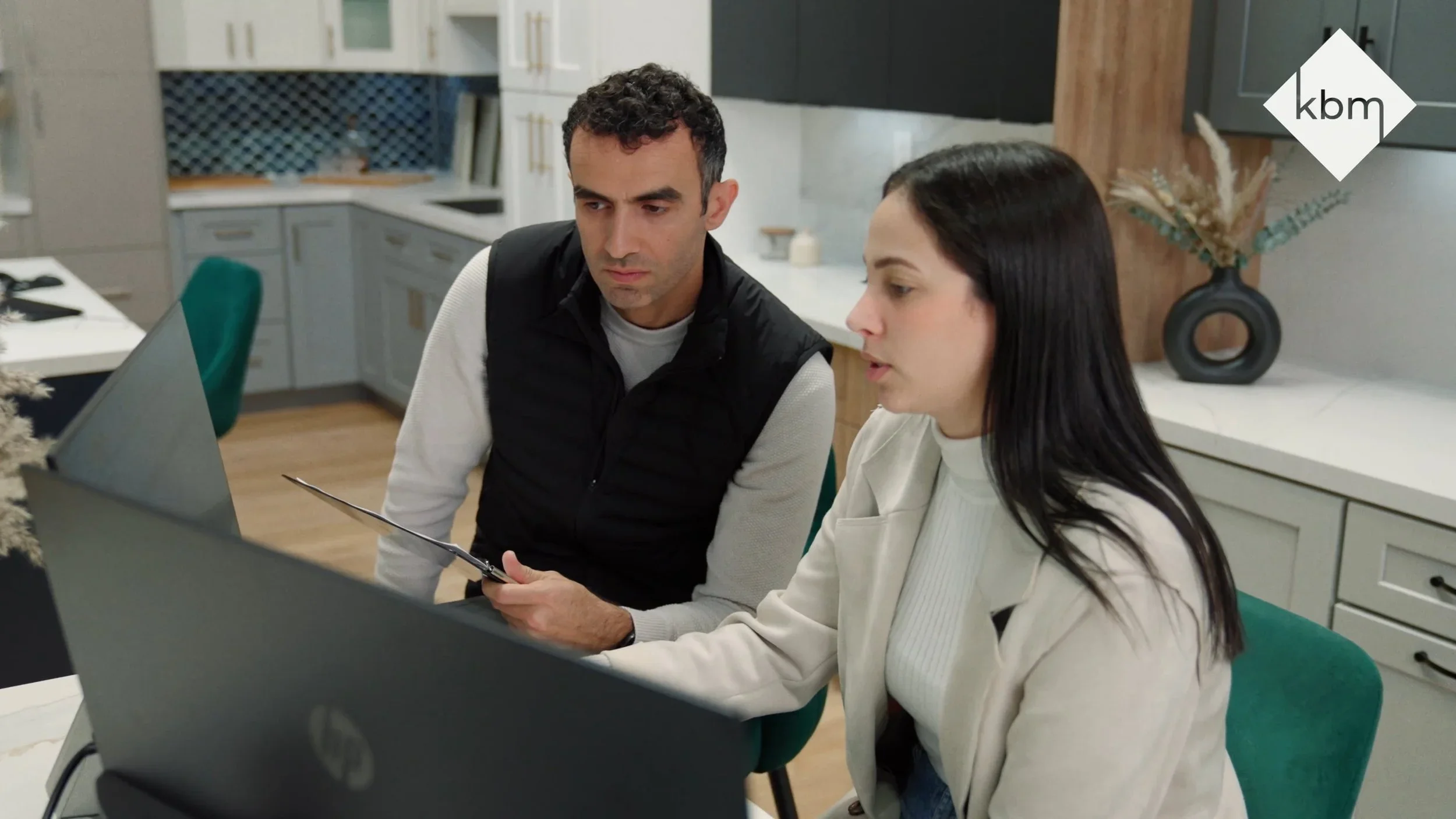
If you only plan for one flagship video, that is all you will walk away with. Before you ever pick a date, decide what formats you want. For example, from a single session you might want:
One main brand or explainer video
Three to five short clips for LinkedIn or Instagram
A handful of silent friendly snippets with captions for stories or ads
A few behind the scenes moments to humanize your team
When you work with a Video Production Company San Francisco businesses already trust, share this list early. It changes how they design the schedule. They may suggest capturing a longer interview and flagging natural “chapter breaks” that can become standalone posts. They might plan extra time for b roll that shows your space, team, and product in use so you have flexible visuals for future edits.
Simply saying “we want one long video and eight short ones” during pre production helps everyone aim for a content library instead of a single asset.
Script For Social Friendly Segments
You do not need heavy scripts for everything, but you do want structure. Social media favors clear, concise ideas. That means planning natural points where you can cut a sentence or two into its own piece without losing context.
For example, during an interview you might ask:
“If you had to explain this service in one sentence, what would you say”
“What is one mistake you see customers make before they come to you”
“What surprised you when you first started using this product”
Those answers can sit comfortably inside a longer video and also work beautifully on their own. A Videographer For Business who is used to working with marketing teams will listen for these sound bite moments and mark them for the edit.
The goal is not to create a script that feels robotic. It is to build conversations that naturally produce small, self contained insights you can use later.
Shoot With Different Platforms In Mind

Vertical video, horizontal video, square crops, muted autoplay, subtitles, thumb stopping first frames. All of that matters when you are planning to stretch one shoot across many channels. Instead of trying to “fix it in post,” it is much easier to think about platforms while you are filming.
Teams focused on Corporate Video Production San Francisco often:
Frame interviews a bit wider so there is room to crop vertical versions
Capture a few takes of key lines with slightly different delivery for different audiences
Shoot some clean shots that work even with text overlays and no sound
If you know you will be posting to multiple platforms, share that list. For instance, LinkedIn might get a more formal version, while Instagram Stories gets shorter, playful edits from the same material. Planning for flexibility at the shoot stage saves you from awkward cropping and rushed reshoots later.
Build A Simple Content Calendar Before You Film
Many teams wait until after the edit to decide when and where to post. A lighter, smarter approach is to sketch out a rough calendar in advance. You do not need to fill in exact captions, but you can decide that:
Week 1 will focus on the main launch video
Weeks 2 and 3 will highlight short clips answering common questions
Week 4 will share behind the scenes footage and quotes from your team
When you already have that outline, it is easier to brief your San Francisco Video Production partner on what you need. For example, if you know that you want a teaser clip one week before launch, they can prioritize editing that piece first.
A simple grid in a spreadsheet or project tool keeps everyone aligned. It also keeps you honest about whether you are really planning enough material for the timeframe you have in mind.
Think About Editing Workflows As Much As Shooting

Planning video that feeds social media for weeks is as much about workflow as it is about creative ideas. If every small clip requires a ground up edit, you will run out of bandwidth quickly. A well thought through process makes it possible to produce more without sacrificing quality.
A Videographer For Business who understands ongoing content can help you:
Create a few reusable intro and outro templates
Establish a consistent lower third style and caption format
Set up a sensible file naming system so your team can find footage quickly
This kind of structure means that once the main footage is captured, you can create new variations with less friction. When fresh campaigns or opportunities pop up, you can return to the same library and cut a new piece in hours instead of days.
Lastly, Final Thoughts
When you step back, planning video that feeds weeks of social media is really about respect for your own time and investment. You are already gathering your team, booking a space, and working with professionals. With a little more intention in the planning stages, that effort can produce a steady stream of clips, stories, and posts that keep your message visible long after the main video premieres.
Slava Blazer Photography approaches Corporate Video Production San Francisco with that long game in mind. Our work in Video Production In San Francisco is built around understanding your business goals first, then shaping shoots that give you both a strong flagship piece and a bank of shorter edits ready for social. As a Video Production Company San Francisco brands turn to for ongoing content, we focus on clear planning, calm production days, and thoughtful post production so you come away with video that is easy to share, repurpose, and rely on as you grow.
Video Planning Questions, Answered
How long should our main video be if we want to repurpose it for social media?
Aim for a main video around one to three minutes so it tells a clear story but still holds attention. From that, you can cut 15–30 second clips for different platforms, and a San Francisco Video Production team can help you spot natural break points.How far in advance should we start planning a shoot like this?
Start planning a few weeks before you want to film. That window lets you refine goals, line up people, and secure dates with your Corporate Video Production San Franciscopartner that match your launch or campaign timing.What should we prepare internally before meeting a production team?
Bring a simple list of goals, key messages, must-have shots or people, and your basic brand guidelines. Sharing this upfront helps your Video Production Company San Francisco partner turn your ideas into a clear shot list and realistic schedule.
