How to Use Photo Booth Pictures in Your Marketing After the Event

Most teams think about a photo booth as “the fun corner” that keeps guests entertained. People line up, switch props, laugh at the screen, and walk away with prints or a digital copy. Then the event ends, a link to the gallery lands in someone’s inbox, and the photos quietly sit there. A few get posted the next day, but most never make it into any real marketing plan.
That is a missed opportunity. Those pictures capture something you rarely get from formal event photography: relaxed faces, in jokes between colleagues, clients who are genuinely enjoying themselves, and small details that show how it felt to be in the room. Used thoughtfully, they can keep working long after the backdrop and lights have been packed away. In a city where Photo Booth Rental San Francisco is common at brand activations and corporate events, learning how to reuse those images is one of the simplest ways to stretch your budget a little further.
Why these photos matter
Photo booth images are not just “silly extras.” They sit in a useful space between polished campaign visuals and unfiltered phone snapshots. Guests have usually chosen to step into that frame, which means they are open to being seen, but they are not under the pressure of a main stage or formal portrait. That mix often leads to expressions and interactions that feel more like real life.
From a marketing point of view, this helps you:
Show genuine enjoyment rather than forced smiles
Demonstrate how guests actually interact with your brand in a relaxed setting
Capture a wide variety of people in a short amount of time
Build a bank of visual moments that feel approachable, not staged
When you look at the gallery with this in mind, it becomes easier to see which photos are worth saving for future campaigns and which can stay as personal mementos.
Start with permissions
Before you plan where to use any images, it is important to be clear on consent. Most modern booths offer some form of digital delivery, email, text, QR code, which can be combined with a simple permission step. It does not need to be complicated, but it should be clear.
You might:
Add a short line near the booth explaining that some images may be used for marketing
Include a checkbox or brief note in the digital delivery form about photo use
Give guests obvious options to opt out if they prefer their images to stay private
This is not just about legal protection; it also builds trust. People are more relaxed when they know how their photos might travel. With consent handled transparently, you can build a postevent photo booth content strategy for brands that feels respectful and sustainable instead of improvised.
Social channels that last
The most obvious place for booth photos is social media, but they can do more than fill a single “thank you for coming” post. Used carefully, they can support your channels for weeks or months after the event.
Some practical ideas include:
Creating a short series of posts that highlight different guest groups or moments
Mixing booth images with simple text overlays to share quotes, key stats, or future dates
Building a highlight reel or Story archive that shows the atmosphere at your events over time
Using occasional throwback posts to keep anticipation alive for the next gathering
When you are planning San Francisco Photo Booth Rental for a campaign, it can help to think in terms of themes you want to show later: collaboration, celebration, customer appreciation, or team culture. The more specific you are about those themes in advance, the easier it is to spot the right images when you review the gallery.
Can they support sales?
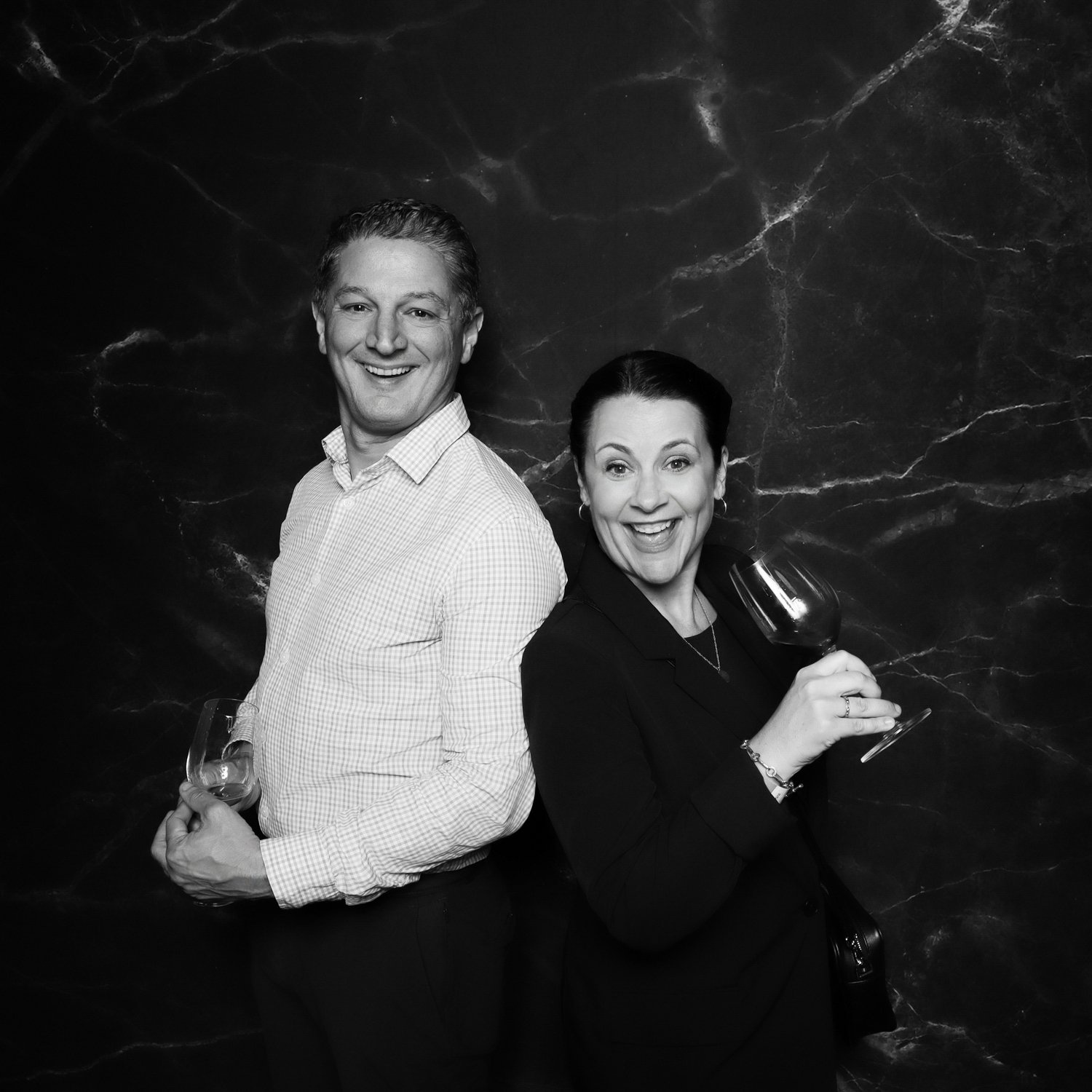
Booth photos might not seem like an obvious sales tool, but they can quietly support the way you speak to leads and existing clients. The key is to choose images where your product, service, or environment is visible without overshadowing the people.
These pictures can be woven into:
Recap decks sent to partners or sponsors after a successful event
Case studies that show not just numbers, but the human side of an activation
Landing pages for future events, showing the kind of experience guests can expect
Nurture emails that thank attendees and invite them to take a next step
If you host regular client events, training sessions, or user conferences, a consistent visual thread helps people recognise your brand on sight. Over time, these small touches add up, making your communications feel less abstract and more grounded in real interactions.
Strengthening employer brand

Internally, photo booth images can be just as powerful. They often show colleagues interacting across departments and levels in a way that is hard to capture elsewhere. For hiring and retention, that is valuable evidence of what it feels like to work with you, not just what the job description says.
Consider using selected images in:
Careers pages, to illustrate culture alongside formal headshots
Internal newsletters and all hands recaps that celebrate shared milestones
Onboarding materials, showing new hires the kinds of gatherings they can expect
Slide backgrounds for internal presentations that might otherwise feel dry
Handled with care, these choices tell future candidates and current staff, “This is a place where people actually show up and participate.” That message is more convincing when it is visible, not just written in a values statement.
Reuse in print
Digital channels are important, but they are not the only place these images can work. For some organisations, physical touchpoints still matter: mailers, event signage, or leave behinds at meetings. A strong photo from the booth can translate well into print because it already has clear composition and focus.
With Photo Booth San Francisco setups that produce high resolution files, you can repurpose images for:
Thank you cards sent to key clients or partners after an event
Small posters or postcards promoting the next edition of the same gathering
Visual elements on conference booths or in-office displays
Inserts in welcome packs for new customers or hires
The aim is not to cover everything in booth photos, but to use them where a human touch will make printed pieces more memorable.
Turning images into assets
Left alone in a forgotten folder, booth pictures quickly lose their value. Treated as part of your broader marketing library, they can keep doing quiet work long after the backdrop has been folded away. When you approach them this way, choosing with intention, securing permission, and planning where they will live, you end up with a set of images that support both your brand and the people who interact with it.
At Slava Blazer Photography, we think about booth coverage as more than a side feature. When we plan a setup, we look at how the images will travel into social posts, recaps, hiring pages, and partner communication, and we design the experience accordingly.
The team here focuses on creating galleries that feel fun for guests in the moment and genuinely useful for your marketers later, offering evergreen marketing ideas using event photo booth images instead of one day novelty.
People Also Ask
How many photo booth images should be kept for marketing use?
There is no fixed number, but it helps to keep a smaller, curated set rather than every single frame. Many teams start by shortlisting images that clearly show consented guests, readable expressions, and some connection to the brand or environment. That edited selection is then easier for marketing, HR, and sales to browse and reuse.Should every event with a booth use those images in public campaigns?
Not always. Some gatherings are more sensitive, or meant to feel private for guests. In those cases, booth photos may be best kept for internal recaps or personal sharing only. The decision should be guided by the type of event, the expectations you set beforehand, and what will make attendees feel respected.How soon after an event should booth photos appear in marketing?
Sharing a small selection soon after the event helps maintain momentum and close the loop for attendees. Beyond that initial burst, the rest of the gallery can be woven into campaigns over time. Many organisations build a simple calendar or folder structure so these images are easy to find when planning future posts, emails, or decks, rather than only being used in the first week.
