Event Photographer Planning That Saves You From Missed Moments
The Hidden Impact of Smart Event Photography Planning
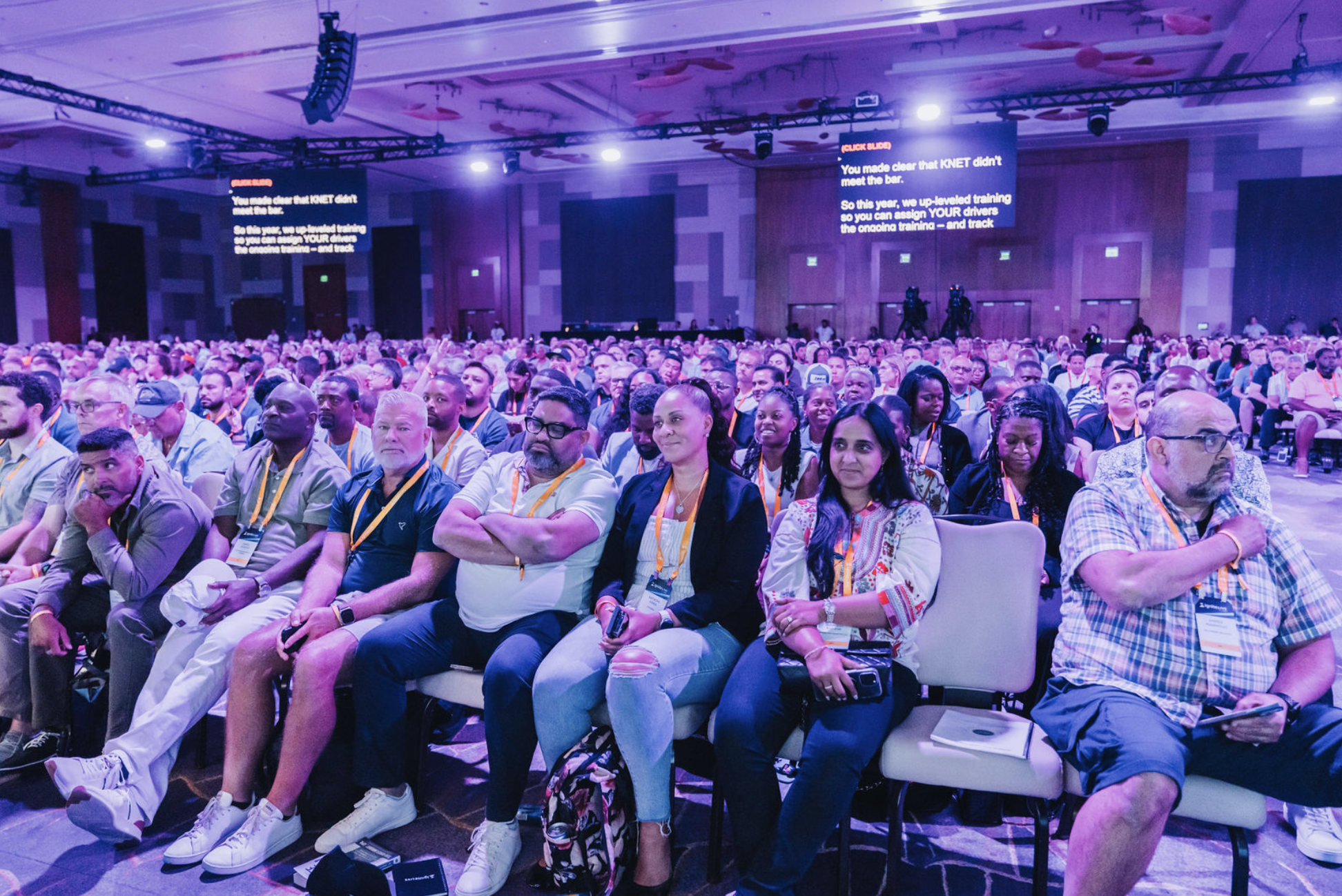
Every successful event is a story told in real time, and every story needs the right narrator. For any corporate gala, product launch, or private gathering, the success of your visual record depends on how well your photographer plans. Professional Event Photography in San Francisco isn’t just a matter of showing up with a camera; it’s about seeing moments before they happen. Not only are light changes, crowd flow predictions, and set layout help plotted, but all production information is found, so nothing slips through the cracks with diligent planning.
Because a professional Event Photographer in San Francisco understands the applause during a keynote speech or laughter during a toast can’t be recreated. The distinction is in the prep work: scouting a location, understanding what the client values, and adjusting camera settings to follow mood changes. For the most part, it’s about turning chaos into order with some careful, pre-event planning.
Why Every Detail Counts Before the Big Day
Event days move quickly; photographers who plan ahead move more quickly. Pre-event planning will save you hours of confusion later. Every element counts, whether you’re worrying about the color temperature of the lighting or verifying when speeches or performances will go down. In professional Event Photography in San Francisco, success depends on the ability to predict where emotion will surface next.
A few planning essentials include:
Mapping indoor and outdoor shooting angles.
Checking stage lighting or natural light transitions.
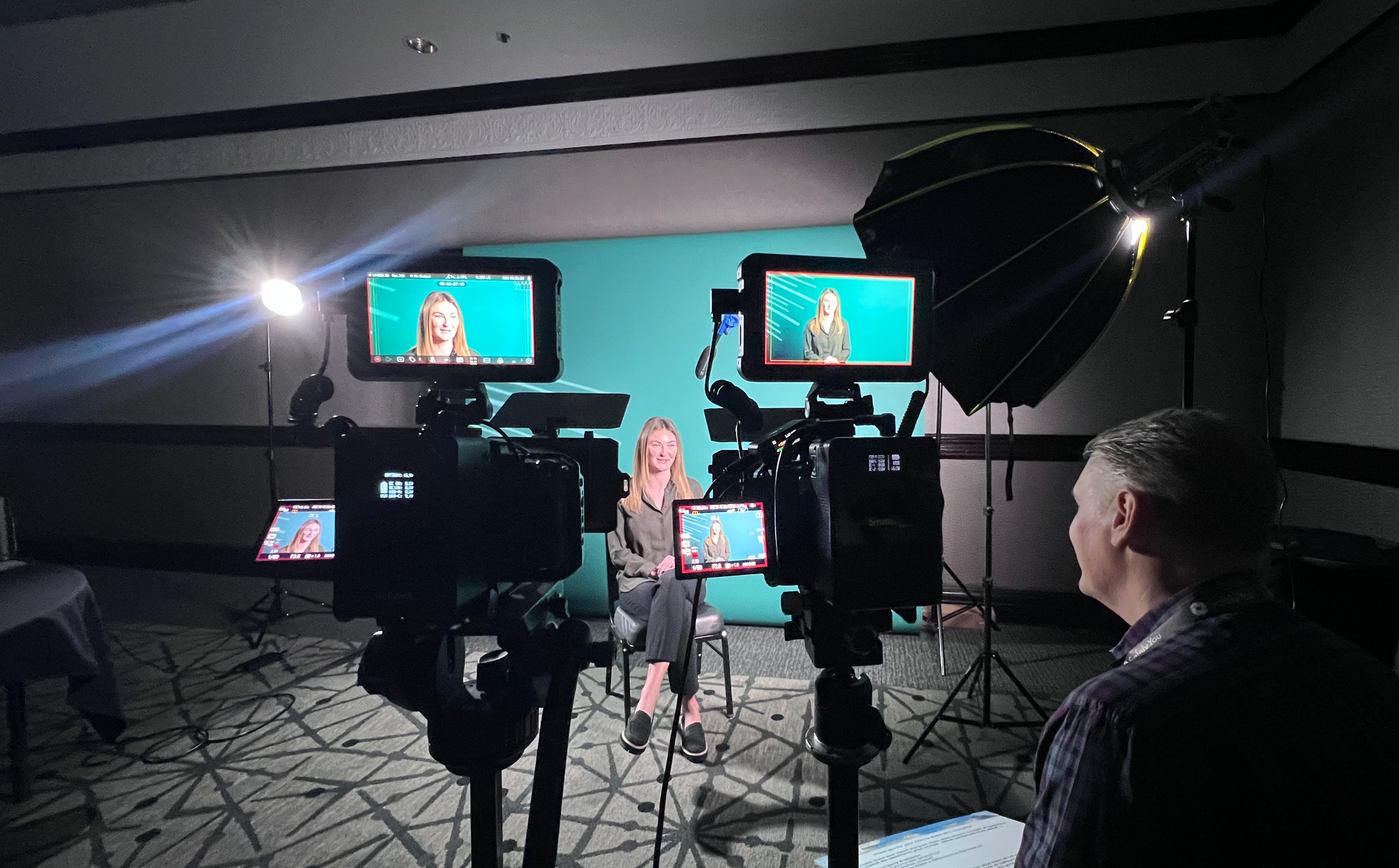
Preparing dual camera setups to switch between candid and posed shots instantly.
Coordinating with event planners and sound technicians for seamless timing.
By the time guests arrive, the groundwork ensures smooth transitions between moments, so every hug, handshake, and highlight feels effortless in frame.
What Makes a Skilled Event Photographer Truly Reliable?
A good photo freezes time. A reliable photographer ensures it never gets lost in the first place. The trust clients place in Bay Area Event Photographers comes from experience under pressure, working through dim ballrooms, crowded trade shows, or emotional ceremonies without missing the pulse of the moment.
Reliability comes from habits developed long before the event day:
Back-up gear tested and ready.
Memory cards formatted and labeled by segment.
Shot lists verified with clients and event coordinators.
This is where Professional event coverage services for corporate launches shine. Whether capturing executives networking or speakers addressing the audience, such planning guarantees professional precision backed by creative instinct. Clients don’t see the hours of prep; they see flawless photographs that feel spontaneous yet perfectly composed.
Coordination That Keeps You Ahead of the Chaos
Behind every smooth event photo collection is meticulous teamwork. The best Event Photographer in San Francisco doesn’t work alone; they coordinate with planners, AV teams, lighting crews, and sometimes even security so the photo plan matches the real run of show. That coordination prevents interference during key moments, like a camera angle getting blocked by a speaker monitor, a sponsor backdrop placed in the wrong spot, or flash timing clashing with stage lighting cues. It also helps protect the guest experience, because the photographer can move efficiently without interrupting conversations, entrances, or presentations.
Real-life examples bring this to life:
At a packed tech conference, planned staging and a clear shooting lane keep the big product reveal visible even when the crowd surges. That same prep helps capture executives sharply during live demos and Q&A, without heads, screens, or signage cutting into the frame.
At a charity gala, syncing with the lighting team avoids harsh shadows on honorees and keeps skin tones consistent as spotlights shift. A quick signal system with the emcee also helps time the exact second names are announced, so the award handoff and the real reaction land in the shot.
For outdoor weddings, wind direction and sun position factor into portrait planning so images stay consistent, and timelines are adjusted to protect couple portraits from midday glare or sudden weather shifts.
When pros plan together, the product is something simultaneously dynamic and natural: wide shots that capture the atmosphere, tighter tableau scenes with authentic reactions, and a cohesive gallery that genuinely feels like you were there.
Tools, Lighting, and Timing: The Real Backbone of Every Shoot

A well-planned event isn’t just about people, it’s about physics. Lighting angles, shutter speeds, and timing define the difference between a usable image and an unforgettable one. Top-tier Bay Area Event Photographers rely on preparation as much as skill. They test lighting setups during rehearsals, walk the floor for obstacles, and plan exposure settings for every lighting scenario.
Here’s what a solid technical plan includes:
Portable lighting to balance unpredictable illumination.
Syncing flash timing with background light to avoid glare.
Adjusting ISO and aperture for changing ambient conditions.
Creating a lens rotation plan for close-ups versus wide-angle captures.
At business summits or cultural festivals, details like these keep faces well-lit and colors true while the setting develops its own atmosphere. Without that foundation, the best photographers can start to blur where it counts.
Turning Moments Into Lasting Memories
The art of Event Photography in San Francisco depends as much on empathy as on equipment. A photographer’s job is not only to document but also to anticipate emotion. Candid smiles, spontaneous reactions, and shared laughter often define the energy of the day. Building rapport with hosts, guests, and organizers encourages people to relax, letting natural expressions surface.
Through collaboration, a visual narrative takes shape:
Before a concert, aligning with stage managers ensures dramatic crowd shots.
In fundraisers, syncing with the MC helps time the applause shots perfectly.
During private dinners, subtle communication with waitstaff keeps frames clean of distractions.
In essence, Candid photo storytelling for private celebrations isn’t luck; it’s a planned outcome born from genuine human connection. The best photographers listen as much as they shoot, blending technical precision with intuition.
Where Every Frame Becomes a Story
Hiring a San Francisco Event Photographer who respects this balance ensures no memory goes uncaptured due to bad timing or poor focus. It is not just a photograph, or even a photo essay, but an investment in storytelling that feels truly alive long after the party has ended.
At Slava Blazer Photography, we see photography as storytelling through motion that never stops. Every event is unpredictable, but preparation keeps us calm in the storm. Our team of Bay Area Event Photographers approaches every assignment with a balance of technical readiness and creative curiosity. From corporate conferences to nonprofit galas and weddings, our focus is always on preserving emotion in its rawest form.
When we plan coverage, we visualize how each sequence connects to the next, turning moments into narrative arcs. We don’t wait for perfect lighting; we shape it. We don’t chase emotion; we follow rhythm. That’s what separates a simple collection of pictures from a story you’ll remember years later.
Frequently Asked Questions
What do I need to talk about with my event photographer before the shoot begins?
Talk about the timing of your event, the can’t-miss scenes that need to be captured, any lighting situations, or tone you’re after. The more your photographer is aware of going into the day, the better and smoother your coverage will be, including how much more natural your photos will look in the end.How far in advance should event photography be booked in San Francisco?
It’s best to secure your photographer at least 4–6 weeks before the event. For major corporate or seasonal gatherings, early booking ensures availability and allows proper planning for lighting tests, venue visits, and schedule coordination.Why is professional planning important for large-scale events?
Because large events involve multiple moving parts, stages, guests, and lighting changes, detailed planning prevents overlap and confusion. It ensures photographers can anticipate rather than react, resulting in polished, emotion-rich photographs that reflect the event’s true atmosphere.
