How Bay Area Photo Booth Rental Can Fit Different Event Layouts and Guest Sizes

KEY POINTS:
Match the booth size to the venue space.
Plan around the expected guest count.
Keep the booth visible but never obstructive.
Choose placement based on event flow.
Adjust the setup for different event types.
Leave enough room for queues and groups.
Check venue rules before event day.
Coordinate placement with other event services.
A photo booth works best when it is planned out, space is reserved, and the way it’s run is adapted to the event. Not just plonked anywhere there’s room. A well-planned Bay Area photo booth rental can accommodate anything from a smaller company gathering to a busy conference, launch event, reception, or large celebration, taking guest count and venue flow into consideration early. For smaller events, a small space near social activity is fine, but bigger events usually need a more open space for queues, group photos, and movement around the booth. The setup should also be visible and not obstruct entrances, catering stations, stages, or major walkways. The booth is set up according to the layout so that guests will be able to find and use the booth easily during the event. In this blog, we will go over how photo booth planning can change with venue, event format, and guest count.
Start With Available Space
Before deciding where a booth should be, event planners need to know how much usable space a venue has. An empty room can seem big, but with tables, bars, stages, registration desks, displays, and guests, it feels very different.
When you’re planning for a good photo booth, it’s not just about the physical footprint of the equipment. They also need space to come up, pose, hang for a moment, and move on without creating bottlenecks.
An unused wall nearby the main gathering area for a small office party may snugly fit a booth. A conference in a hotel ballroom might need a separate corner for groups to meet, without obstructing the path to meeting rooms or sponsor booths.
Before deciding on placement, consider:
Available floor space around the booth
Nearby entrances and exits
Main guest walking routes
Tables, displays, and catering stations
Space for small groups to pose
Areas where a queue could form
A Bay Area Photo Booth Rental should feel like part of the event layout rather than something squeezed into the last available corner.
Match Setup to Guests

Guest count changes how much room a photo booth may need and how people are likely to use it.
A gathering of forty employees usually creates different traffic patterns from a conference reception with several hundred attendees. At a smaller event, guests may visit the booth gradually throughout the evening. At a larger event, participation can come in waves, especially during scheduled breaks or after a presentation finishes.
A Bay Area Photo Booth placed in an area with room for people to gather can help manage those busy periods more comfortably.
For example, imagine a corporate event with 250 guests. If the booth sits in a narrow hallway beside the ballroom entrance, only a few people waiting for photos can begin to block movement. Moving the same booth into a nearby open networking area gives participants more room while allowing other guests to pass easily.
Guest numbers can also influence:
How much waiting space is useful
Whether groups are likely to pose together
How visible the booth should be
When the booth may become busiest
Whether additional event signage is helpful
Planning around attendance makes the booth easier to use without letting it interrupt the rest of the event.
Where Should Booths Go?
A photo booth should generally be placed where guests can notice it naturally, but not where it competes with essential event activities.
The most visible location is not always the most practical one.
For example, placing a booth beside registration may attract attention, but it could create congestion when guests first arrive. A location beside a presentation stage may seem convenient, yet booth activity could become distracting during speeches. In many cases, a nearby social area provides a better balance between visibility and comfort.
When planning Photo Booth Rental San Francisco Bay Area events, useful placement areas may include:
Near a networking lounge
Along the edge of a ballroom
Close to a reception area
Beside an event activation zone
Near branded displays
Between social and dining areas
Timing matters as well. At a conference, the booth may receive the most activity during scheduled breaks. At an evening company event, participation may increase after dinner once people begin moving around more freely.
Planners should therefore think about how the venue changes throughout the event, not just how it looks during setup.
Adapt to Event Formats
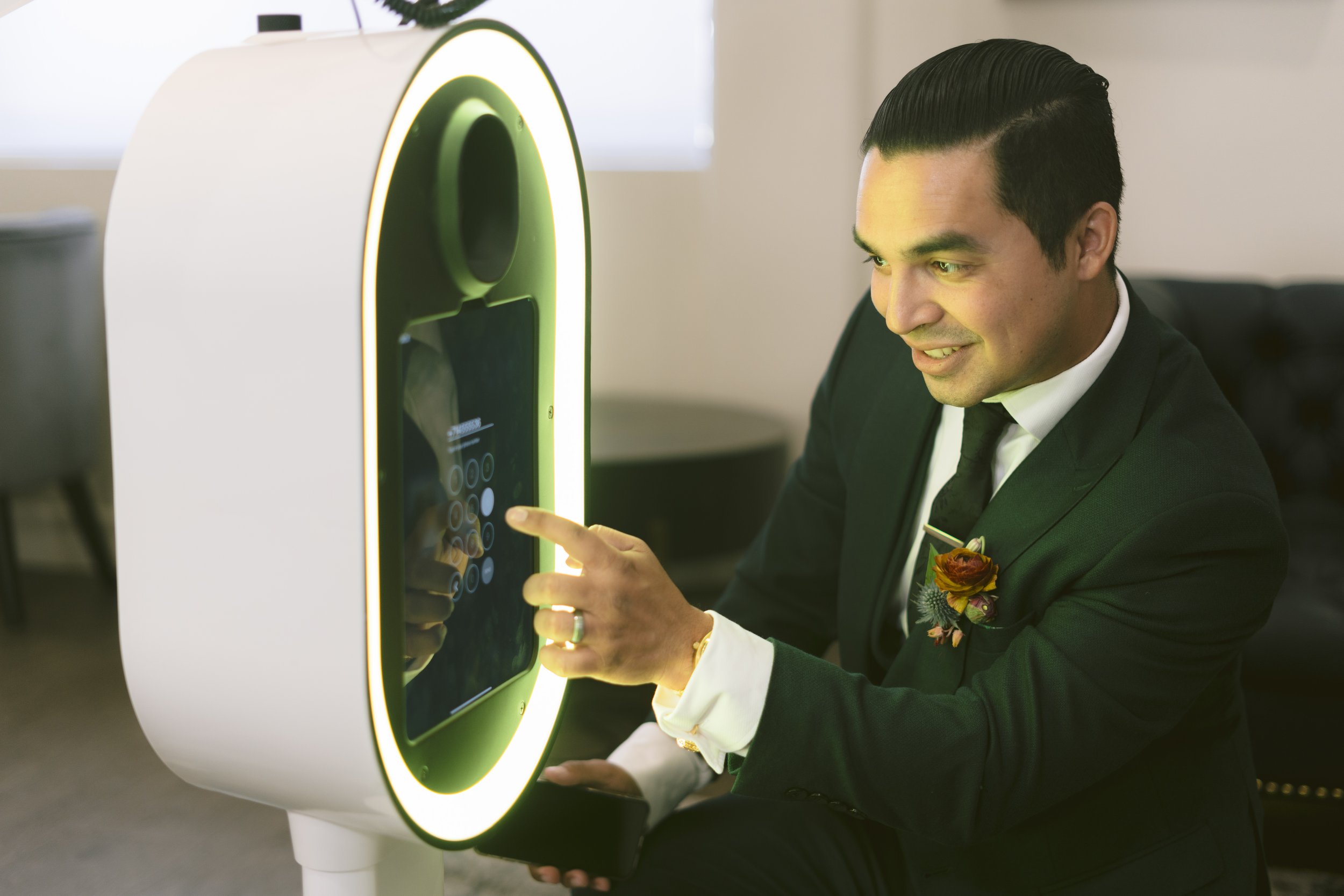
Different types of events call for different photo booth experiences.
A business conference may need a booth that guests can visit quickly between sessions. A holiday party might encourage larger groups and repeated visits. A product launch may place greater importance on brand visibility, while an employee celebration may focus more on informal interaction.
The surrounding space should support that purpose.
At a conference, for example, the booth can sit near sponsor areas or networking spaces where attendees already have time to stop. At a reception, it may work better near the social part of the room rather than beside dining tables.
A Photo Booth San Francisco experience can be useful for:
Corporate conferences
Employee celebrations
Networking events
Product launches
Brand activations
Award evenings
Company anniversaries
Private celebrations
The setup does not have to look or operate exactly the same at every event.
Consider a product launch where the company wants visitors to interact with a branded display before taking photos. The booth may need slightly more space around it so the activation does not feel crowded. For an office party, a simpler arrangement may work perfectly because guests already know one another and naturally form groups.
The event format should guide the layout, not the other way around.
Keep Guest Flow Comfortable
A successful booth attracts attention without creating a traffic problem. This becomes especially important in busy venues where guests are already moving between presentations, dining areas, exhibits, bars, and networking spaces.
Event planners can often avoid congestion by leaving a clear approach and exit path around the booth.
For instance, guests should not have to step directly into a main walkway after taking a photograph. Likewise, people waiting for a turn should have somewhere to stand without blocking others.
Bay Area Photo Booth Rental planning can account for guest flow by considering the busiest parts of the schedule before equipment is positioned.
A few practical checks can help:
Can guests see the booth easily?
Is there enough room for a short queue?
Can groups gather without blocking others?
Is the booth away from emergency exits?
Does it interfere with food or drink service?
Can guests enter and leave from different directions?
One common mistake is choosing an isolated location simply because it has plenty of room. If the booth sits too far from the main event, guests may forget it is available.
The better choice is usually a space that feels connected to the event while still offering enough breathing room.
Plan around Venue Limits

Every venue brings practical restrictions, and those details should be discussed before event day.
Some spaces may have limited electrical access. Others may restrict equipment in certain areas, control wall attachments, set specific load-in times, or have narrow elevators and service entrances. Outdoor venues may introduce additional concerns around weather, ground surfaces, and available shelter.
A booth planned for a hotel ballroom may therefore require a different arrangement from one used in an office lobby or open event space.
Event organizers should check:
Power availability
Setup and removal times
Venue access rules
Ceiling and floor restrictions
Nearby lighting conditions
Internet availability when relevant
Outdoor weather protection
Space limitations near guest areas
These checks are particularly useful when the event is already full of other suppliers. Caterers, audiovisual crews, decorators, and event staff may all need access to the same areas during setup.
Sharing the venue plan early can help prevent situations where several services are assigned the same corner of the room.
Careful coordination also makes it easier to adjust the booth position before guests arrive rather than trying to solve layout problems once the event is underway.
Make the Layout Work
The right photo booth arrangement should suit the event rather than forcing the event to work around the booth. Guest numbers, venue size, walking routes, activity areas, event format, and practical restrictions all influence where the setup will work best. Smaller gatherings may only need a compact social area, while larger conferences and celebrations benefit from extra room for group photographs and short queues. Thoughtful Bay Area Photo Booth Rental planning also keeps the experience visible without interfering with stages, entrances, catering, or other important parts of the venue.
At Slava Blazer Photography, our team considers the wider event layout when preparing photo booth experiences. Our professionals focus on practical placement, smooth guest access, and setups that suit the character and scale of each occasion. We aim to help businesses and event planners create an inviting photo booth area that feels naturally connected to the event while allowing guests to participate comfortably throughout the day or evening.
Frequently Asked Questions
How much space does a photo booth need?
Space requirements can vary with the booth style, venue, and expected group sizes. Planners should allow room for the equipment as well as guests approaching, posing, waiting briefly, and leaving comfortably.Where is the best place for a photo booth at an event?
A visible social area usually works well, provided it does not block entrances, stages, food service, or major walking routes. Placement should also reflect when and where guests are likely to gather.Can a photo booth work at a small event?
Yes. Smaller events can use a compact arrangement when enough space remains for guests to pose and move comfortably. The booth does not need a large venue to be useful.What should be considered for a large guest list?
Larger events should consider queue space, group sizes, busy periods, guest flow, and booth visibility. Positioning the booth in an open but connected area can help prevent unnecessary crowding.Can photo booths be used at different types of business events?
Yes. Photo booths can be incorporated into conferences, networking events, company parties, product launches, award evenings, employee celebrations, brand activations, and other business gatherings when the setup is planned around the venue and event format.
