How to Select an Event Photographer in San Francisco for Conferences and Brand Events

KEY POINTS:
Review experience with similar events before booking.
Check how the photographer plans event coverage.
Choose someone who can work without disrupting guests.
Review complete event galleries, not only portfolio highlights.
Match photography coverage to future marketing uses.
Confirm delivery timelines, formats, and coverage details.
Plan extra support for large or multi room events.
Choose coverage that balances creativity with reliable organization.
Choosing the right photographer for a conference or brand event means looking beyond an attractive portfolio. Businesses need someone who can understand the schedule, anticipate important moments, work around guests without causing disruption, and deliver images that remain useful after the event. Professional Event Photography San Francisco should cover more than speakers on a stage. It should document arrivals, networking, audience reactions, branded details, team interactions, presentations, and the overall atmosphere in a consistent visual style. The right photographer also understands how different images may later appear on websites, social media, press releases, internal reports, and marketing material. A thoughtful selection process can therefore improve both event coverage and the long-term value of the final image library. In this blog, we will explain what businesses should review when selecting a photographer for conferences and brand events.
Review Relevant Event Experience
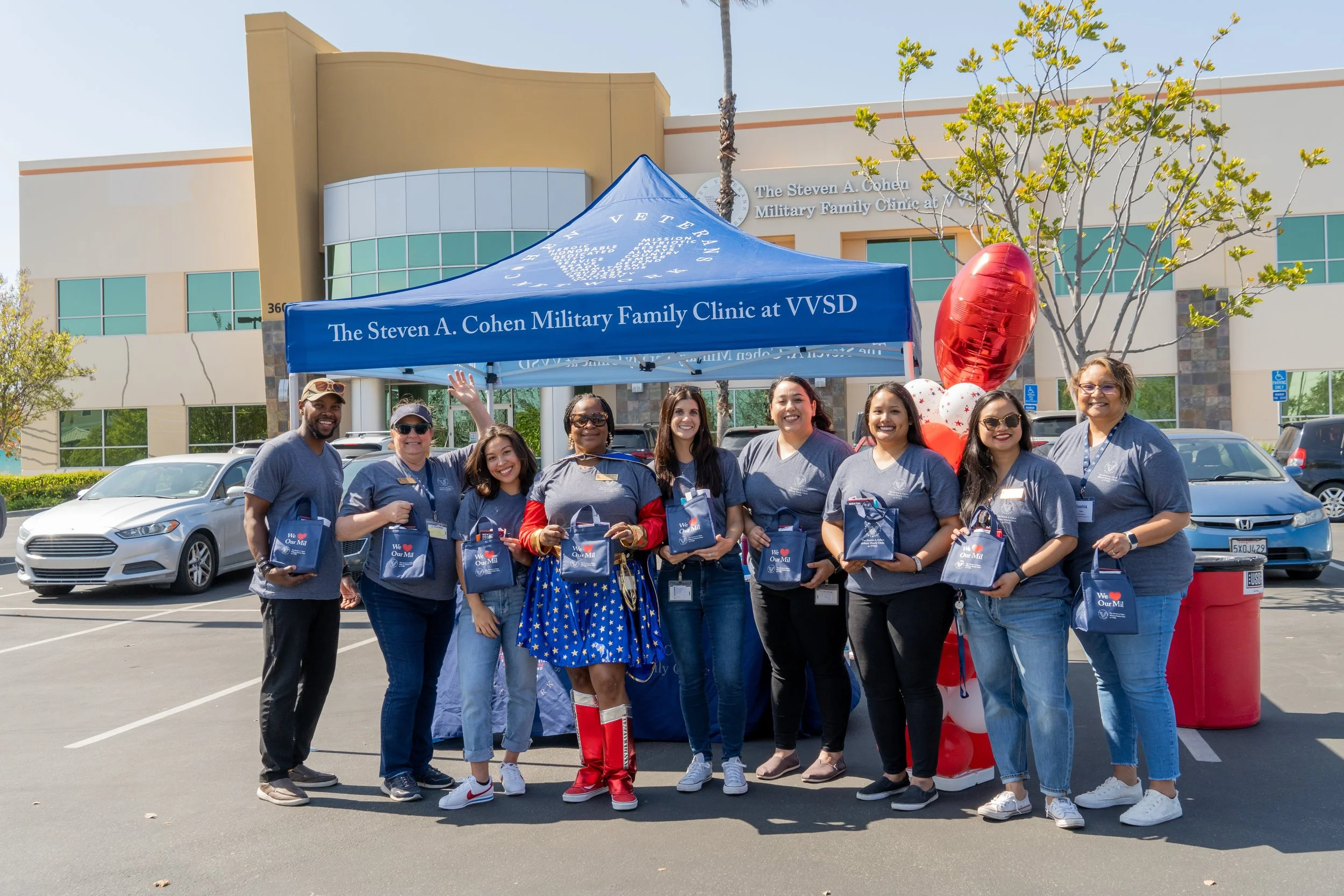
The first thing to examine is whether the photographer has experience with the type of event being planned. Conference photography, product launches, networking receptions, award ceremonies, and executive events all move differently.
A conference may involve overlapping sessions, speaker transitions, sponsor booths, networking areas, and scheduled group photographs. A brand event may place more emphasis on products, installations, guest interaction, branded displays, or media appearances.
A portfolio should therefore be reviewed for relevance rather than simply visual quality.
Look for examples showing:
Speakers photographed from useful angles
Natural audience reactions
Networking without obvious posing
Brand signage and environmental details
Small and large group interactions
Wide photographs showing the venue
Close photographs showing important moments
Experienced Bay Area Event Photographers should be able to show how they approach different parts of a business event rather than presenting only a collection of isolated portraits.
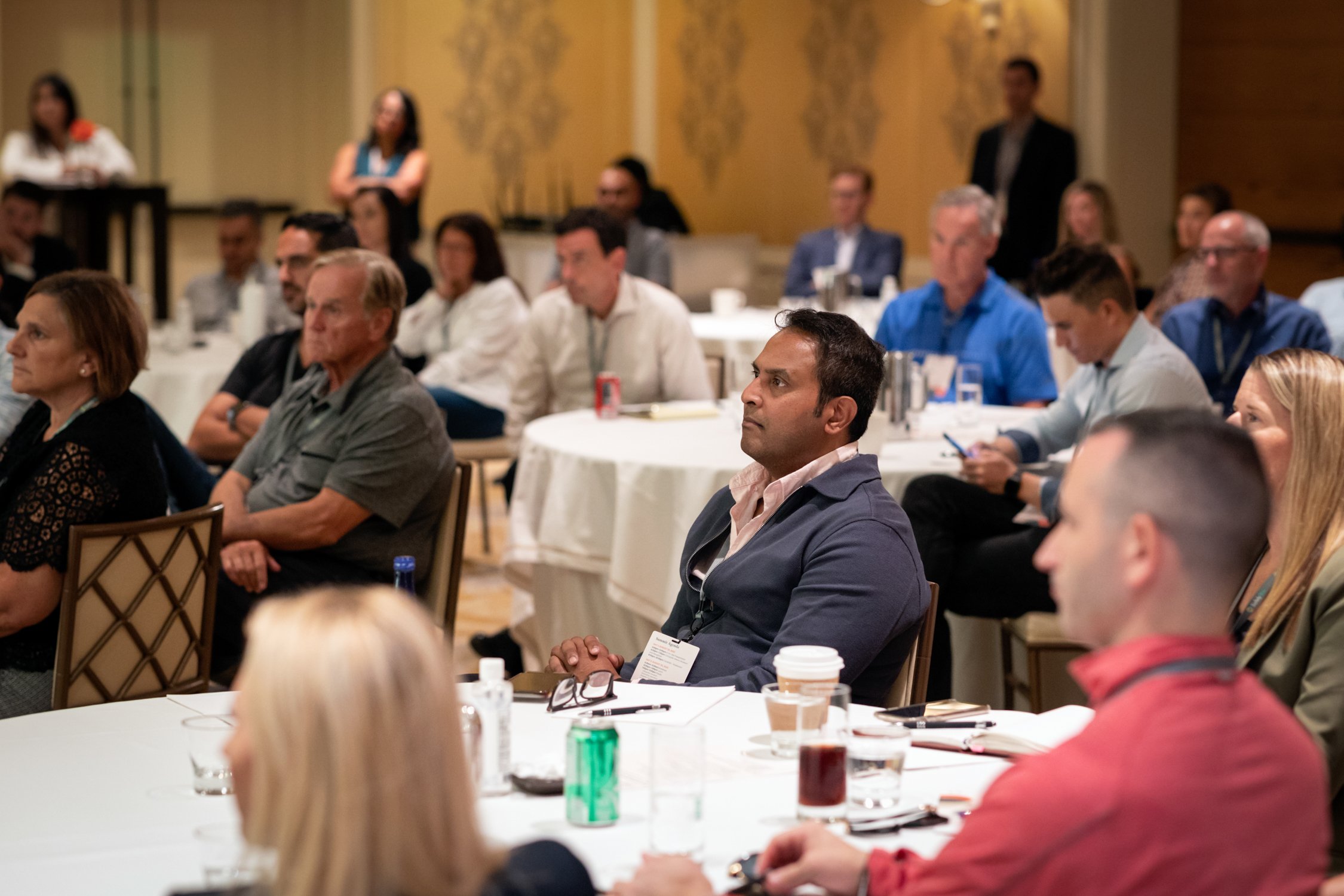
For example, a photographer who regularly covers conferences should know that an empty stage photograph has limited value once the event is over. Images showing speakers addressing an engaged audience can communicate far more about the experience.
Relevant experience helps businesses judge whether the photographer understands the pace and purpose of the event before booking.
Check Coverage Planning Skills

Strong photography begins with preparation. A photographer should understand what is happening, when it is happening, and which moments cannot be repeated.
Good event photo planning usually involves reviewing the event schedule, venue layout, expected attendance, speaker list, important guests, brand requirements, and intended use of the photographs.
Businesses can share a clear outline covering moments such as:
Registration and guest arrivals
Opening remarks
Keynote presentations
Panel discussions
Sponsor or product displays
Networking sessions
Awards or recognitions
Group photographs
Closing activities
This does not mean every photograph needs to be planned in advance. Some of the strongest event images come from unexpected interactions. Planning simply ensures that the photographer knows where attention is needed while still leaving room for natural moments.
Consider a conference with a keynote presentation upstairs while a sponsor demonstration begins downstairs immediately afterward. Without advance knowledge, a photographer may lose valuable time moving between areas. With a clear schedule, positioning can be planned ahead.
When comparing Event Photography San Francisco services, ask how the photographer prepares before the event. A thoughtful answer can reveal a great deal about how organized the actual coverage will be.
Can They Work Unobtrusively?
A professional event photographer should capture what is happening without constantly becoming part of what is happening.
This matter at conferences and brand events because guests are usually there to listen, network, learn, meet colleagues, or engage with a product. Repeated interruptions for photographs can make the experience feel unnatural.
A skilled Event Photographer in San Francisco should be comfortable moving quietly through crowded rooms, working around venue restrictions, and identifying useful camera positions without blocking guests or distracting speakers.
During a panel discussion, for instance, the photographer may need several perspectives. One photograph could show the full stage. Another might focus on a speaker, while a third captures audience engagement. These images should be created without repeatedly crossing directly in front of attendees.
Businesses should consider how the photographer handles:
Crowded networking areas
Quiet presentations
Small breakout rooms
Executive conversations
Low light venues
Fast stage transitions
Guests who prefer not to pose
Natural event photography often depends on timing rather than constant direction.
This is especially useful for brand events where businesses want photographs that show genuine participation. A natural conversation beside a product display often communicates more than a line of guests looking directly at the camera.
Examine Complete Event Stories
A photographer's strongest ten images may look impressive, but they do not always show what an entire event gallery will look like.
Businesses should look for coverage that tells a complete story from beginning to end.
For a conference, that story might start with venue details and registration, then move through speaker sessions, audience engagement, networking, branded spaces, sponsor activity, and closing moments. A product launch may require a different balance, with more attention given to the product, demonstrations, customer reactions, leadership presentations, and brand details.
This broader review helps identify whether the photographer can maintain quality throughout several hours of coverage.
Strong Bay Area Event Photography should usually include a mixture of:
Wide establishing images
Medium interaction photographs
Detailed brand photographs
Speaker and presentation images
Natural guest reactions
Formal photographs where required
Think about a company posting a conference recap after the event. Ten photographs of speakers at a podium will not fully communicate what attendees experienced. A gallery containing networking, conversations, sponsor activity, venue context, and audience reactions gives the marketing team far more material to work with.
The photographer should therefore be judged on the complete visual story, not one dramatic photograph.
Match Images to Uses
Before hiring a photographer, businesses should know where the photographs are likely to appear. This can influence what needs to be captured during the event.
Event images may be used across:
Company websites
LinkedIn posts
Press releases
Email newsletters
Event recap articles
Sponsor reports
Internal presentations
Recruitment content
Future event promotions
Sales and marketing material
A photographer who understands these uses can create greater variety during coverage. Horizontal photographs may work well for website banners or presentations. Vertical images may be useful for social platforms. Wide shots can establish scale, while close details can support shorter marketing posts.
This does not require staging every photograph around a future campaign. It simply means capturing enough variety to give marketing teams options afterward.
For example, a technology company hosting a customer conference may need executive photographs for press communication, crowd images for a recap page, sponsor photographs for partnership reports, and vertical guest interactions for social media.
When comparing Event Photography San Francisco providers, businesses should discuss deliverables before event day. Knowing how the photographs will be used makes it easier to decide which moments, people, formats, and visual details deserve priority.
Review Delivery and Logistics
Photography quality matters, but practical details can have just as much influence on the overall experience.
Before booking, businesses should understand what happens before, during, and after the event.
Important questions include:
How many hours of coverage are included?
Is additional coverage available if the event runs late?
How are final images delivered?
What is the expected delivery process?
Are both high-resolution and web-ready files available?
Can selected photographs be delivered quickly when needed?
How are multi-room events handled?
Is backup equipment used?
What information is needed before event day?
Businesses hosting larger conferences should also consider whether one photographer is enough. Simultaneous breakout sessions, networking areas, and stage presentations may require broader coverage.
For example, if three panels happen at the same time, one photographer cannot fully document all three rooms. Understanding that limitation beforehand makes it possible to plan coverage around priorities or arrange additional photography support.
Logistics should feel clear before the event begins. A photographer may have a strong portfolio, but unclear communication about schedules, deliverables, or coverage boundaries can create unnecessary problems later.
The best selection decision combines creative ability with reliable organization.
Choose Coverage with Purpose
Selecting the right photographer for a conference or brand event comes down to more than liking a photography style. Businesses should review relevant event experience, preparation methods, working style, complete galleries, image uses, delivery expectations, and practical coverage needs. These details help reveal whether a photographer can document both planned milestones and the smaller interactions that give an event its character.
Event Photography San Francisco becomes particularly valuable when the resulting images can support communication long after guests leave the venue. A well-planned gallery can serve marketing teams, executives, sponsors, media contacts, recruiters, and future event promotion without requiring separate visual content for each purpose.
At Slava Blazer Photography, our team approaches business events with that broader use in mind. Our professionals focus on organized preparation, natural coverage, important brand details, and useful visual variety so companies can leave an event with photographs that document what happened while supporting the ways those images may be used afterward.
Frequently Asked Questions
How early should an event photographer be booked?
Booking early gives businesses more time to discuss the schedule, venue, coverage priorities, important guests, and image requirements. Large conferences and events with fixed dates may benefit from arranging photography well in advance.What information should be shared before the event?
Useful information includes the event schedule, venue layout, speaker list, important guests, key brand elements, planned group photographs, restricted areas, and the ways the final photographs are expected to be used.Does every conference need more than one photographer?
Not necessarily. One photographer may be enough for smaller or sequential events. Conferences with simultaneous sessions, several activity areas, or large attendance may require additional coverage to avoid missing important moments.What types of photographs should a brand event include?
Useful coverage can include venue images, branded details, product displays, guest interactions, speakers, team members, audience reactions, demonstrations, networking moments, and wider photographs that show the overall atmosphere.Why should businesses review complete event galleries?
A complete gallery shows whether a photographer can maintain quality throughout an event. It also reveals how well they capture different moments, lighting conditions, people, details, and transitions rather than showing only a few selected portfolio images.
