What Makes Professional Headshots Look Natural Instead of “Posed”

A natural-looking headshot usually comes from three things working together: a relaxed body, a believable expression, and lighting that feels clean rather than dramatic. When any one of those is missing, the photo can start to look staged, even if you are smiling. In this blog, we are going to study how professionals can prepare, pose, and choose a session approach that keeps headshots looking real, confident, and camera-ready without feeling forced.
We will also cover how these images get used in the real world, from LinkedIn profiles and company bio pages to proposals, speaker pages, and press kits. If you are planning Professional Headshots San Francisco or refreshing Headshots SF, it helps to know that “natural” is not luck. It is a set of small, repeatable choices that a good photographer guides you through.
Understand What Looks Natural

Natural does not mean casual or unpolished. It means the photo looks like you on a strong workday: alert, present, and comfortable. Most people read “natural” in a headshot when the image feels consistent with how they would meet you in a meeting or on a call.
A simple way to anchor the look is to decide where the image will be seen first:
LinkedIn and recruiting pages: approachable and clear
Sales decks and proposals: confident and steady
Leadership bios and speaker pages: polished, credible, composed
A real example: a consultant updated a headshot for LinkedIn, then reused the same image on a speaker page. It worked because the expression felt like a real introduction, not a “photo face.”
Why Do Headshots Look Posed?
Headshots look posed when the body is tense, and the face is trying too hard. The most common triggers are understandable: people hold their breath, lock their shoulders, and over-control their smile because they want to “get it right.”
Here are the usual culprits:
Shoulders creeping upward and tightening the neck
A frozen smile that does not reach the eyes
A chin position that feels forced, either too high or tucked too far
Overthinking where hands should go, even when they are out of frame
This is where a skilled Headshot Photographer San Francisco earns their value. Instead of asking you to “act natural,” they give small, specific adjustments that remove tension and bring your normal presence back into the frame.
Clothing That Moves With You

Wardrobe affects naturalness more than most people expect. If clothing feels tight, itchy, or unfamiliar, it shows up as stiffness. The goal is professional, comfortable, and aligned with your day-to-day role.
A practical checklist that usually photographs well:
Solid colors or subtle texture instead of busy patterns
A neckline that frames the face without pulling attention
A fit that sits cleanly at shoulders and chest
A real example: one startup founder arrived in a blazer that felt “corporate,” but it made them look more formal than their brand. Switching to a structured knit with a clean collar gave the same polish while looking more like their real working style. That is the kind of small change that helps Headshots SF feel believable.
Lighting That Flatters Quietly
Lighting is often what separates “professional” from “posed.” Harsh lighting can make a headshot feel theatrical. Clean, controlled lighting keeps skin tones natural and reduces distractions, which helps the expression carry the image.
Good lighting choices usually do three things:
Keep the eyes bright without creating heavy shadows
Hold detail in the background without pulling focus
Maintain consistent color so the photo does not feel yellow or gray
A common business use case is team pages, where several people need to look consistent. That is why many teams choose Professional Headshots San Francisco sessions that prioritize clean, repeatable setups. When people ask how to choose a headshot background for a modern business profile, the answer is usually simple: keep it clean, keep it calm, and let the face do the work.
Micro Posing That Works
Natural posing is not a big pose. It is a series of tiny choices that make you look open and comfortable. You do not need to “perform.” You just need your posture to stop fighting the camera.
A few micro-adjustments that often help:
Stand tall, then soften your shoulders down
Bring the chin slightly forward, then down a touch
Shift weight gently to avoid a rigid stance
A quick example: a manager kept forcing a big smile and looked tense. The moment they switched to a listening expression, the jaw relaxed, the eyes warmed up, and the photo finally looked like them.
If you are camera-shy, natural business headshot posing for camera-shy professionals starts with breathing out before the shutter and letting the face return to neutral between takes.
Expression Coaching In Real Time
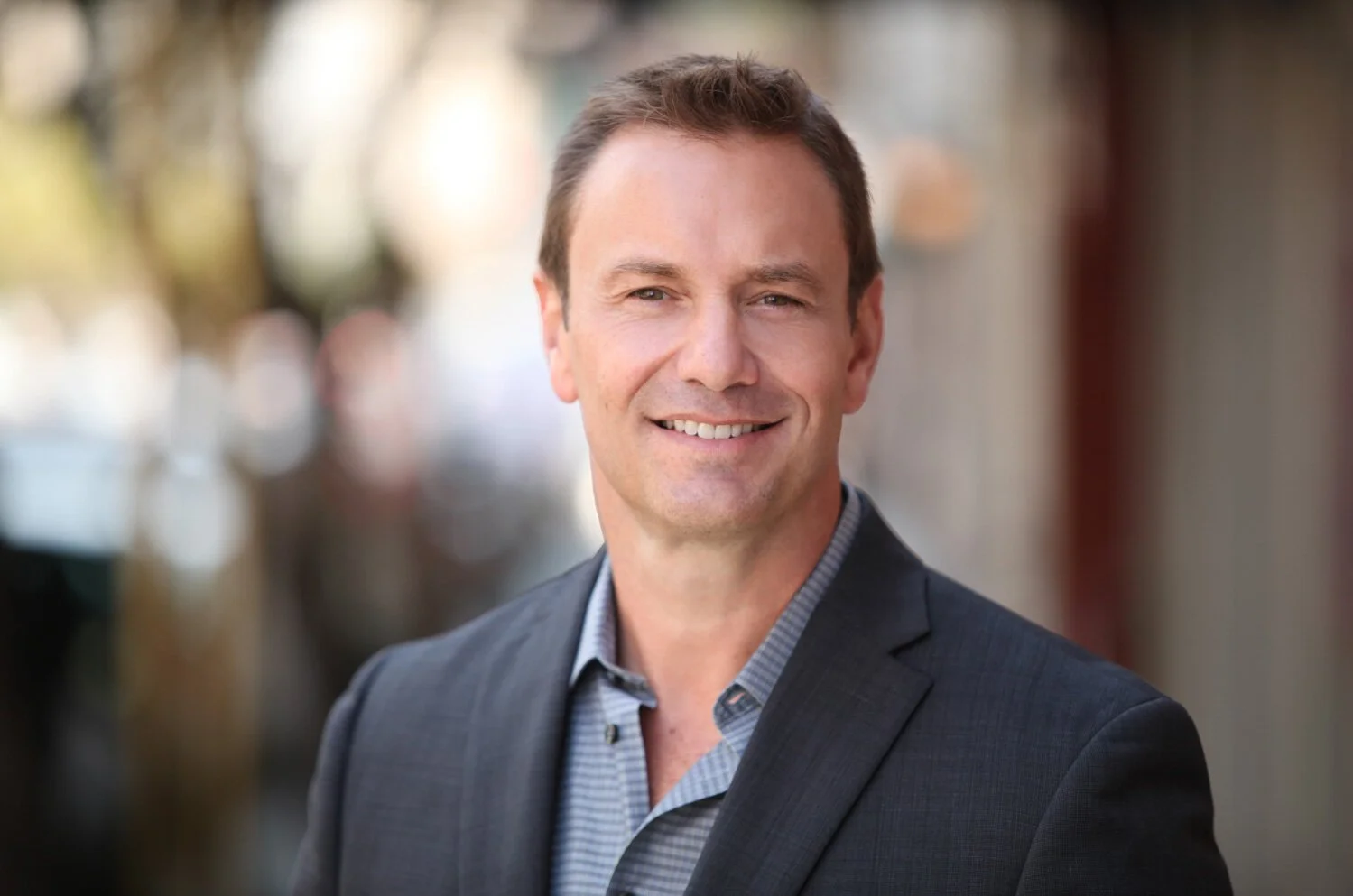
Expression is where “posed” shows up fastest. People often try to hold a smile in place, and it reads as an effort. A better approach is to build expression in layers and capture it while it is moving.
A useful session flow:
Start neutral to relax the face
Add warmth slowly instead of forcing a wide smile
Capture one calm, confident look and one friendlier option
This is also where usage matters. A warmer frame might be perfect for LinkedIn, while a steadier version works better for proposals or leadership bios. A good Headshot Photographer San Francisco will capture both, so you can choose what fits each platform.
The Headshot You Will Use
A natural headshot is the one you actually want to upload everywhere. It feels like you, it reads quickly in a small profile circle, and it supports trust before you speak. When you prepare a wardrobe that fits your real work life, use lighting that stays clean, and follow small posing cues, “natural” becomes repeatable.
And at Slava Blazer Photography, our team keeps the process calm and structured. We guide you through simple posture and expression adjustments, keep the session moving without rushing, and deliver images that work across LinkedIn, team pages, speaker profiles, and client-facing materials. If you are booking Professional Headshots San Francisco or updating Headshots SF, we focus on results that look polished without feeling overdone. For quick scheduling and a straightforward plan, reach out for a quote and lock in a session window that fits your calendar.
Frequently Asked Questions
What number of final photos should I choose for my business profile?
Two to four final pictures suit most individuals well, where one of the pictures can be used on LinkedIn as the main picture, and the other three can serve as alternatives for company profiles, speeches, and other presentations. This approach also helps when different platforms call for slightly different tone, such as warmer for LinkedIn and steadier for leadership bios.Should the headshots be either studio-type or outdoor-type?
There are no specific restrictions here. Studio-type headshots will be much more polished than outdoor ones. Moreover, it makes sense to think about your brand environment in advance to find out whether you need a formal-looking background or an informal one. If your team needs consistent results across multiple people, studio setups often make matching easier.How frequently should a professional portrait be renewed?
Professional portraits should be refreshed whenever there is a visible change in your appearance, role, or professional status. On average, individuals update their headshots once per year. If your current portrait doesn’t resemble how you look today at work, you should definitely consider updating it. It is also smart to refresh when your current image feels out of step with how you present yourself professionally now.What is the simplest technique to prevent appearing awkward in front of the camera?
Be early to arrive, take a breath before each photo shoot, and allow the face to return to its neutral position. Adjusting one’s posture a little will make one look more relaxed than maintaining an impeccable smile. Some prompts from the photographer may assist in reaching this state of mind. Small resets between shots often make the biggest difference because they remove tension before it shows on the face.On what platform does one need to first display their new headshot?
The very first place to showcase the photo would be LinkedIn. Then, one needs to update their profile on Facebook, Twitter, Instagram, personal website, company site, company bio, and email signature. By using only one photo in all these profiles, one makes their brand stronger. It also reduces confusion for new contacts, since the same image shows up consistently wherever they search your name.
