Turn One Day of Video Production Into Weeks of Marketing Assets
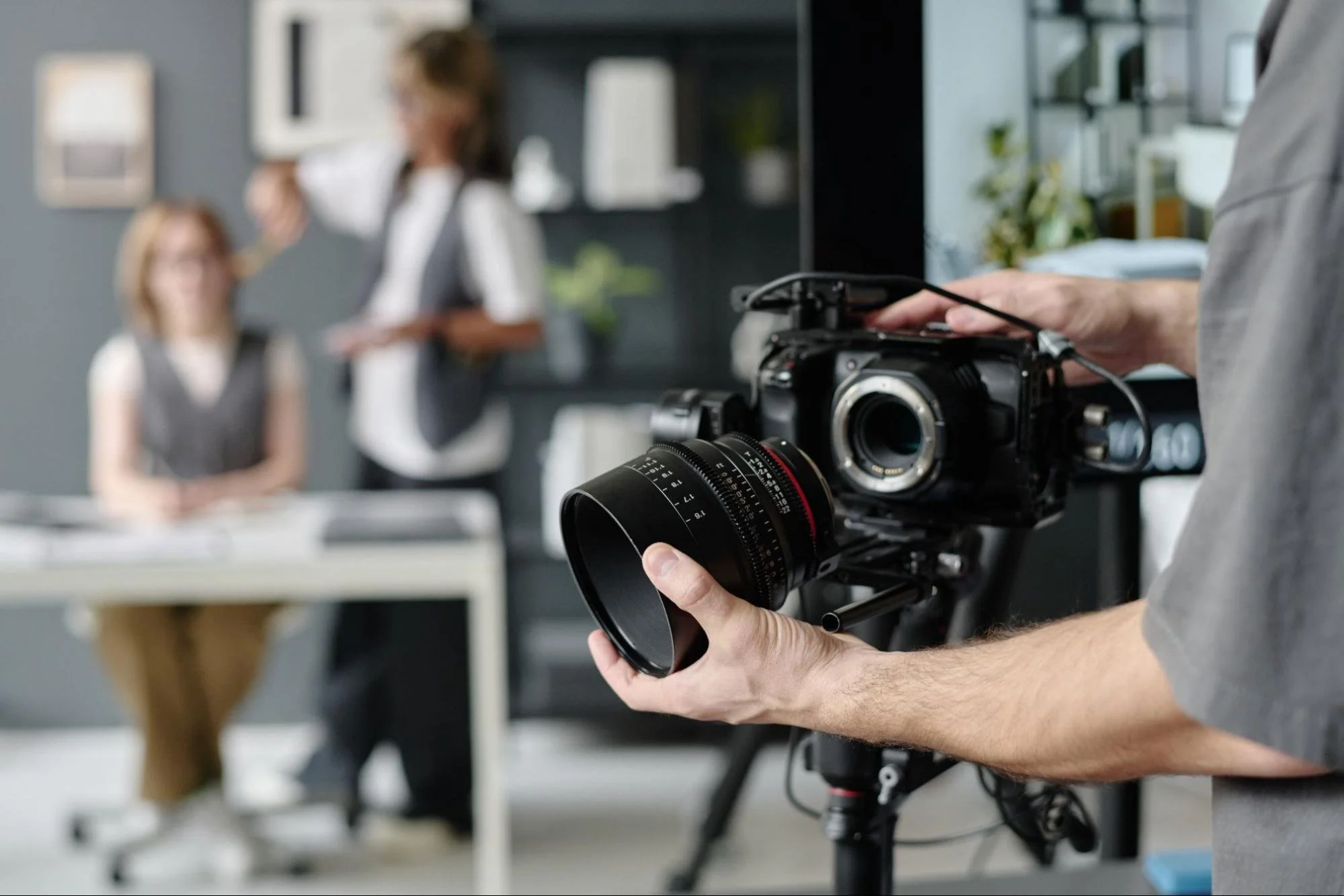
One solid shoot day can carry your marketing for weeks, if you plan it like a content system, not a one-off project. The difference is straightforward: map the business moments you actually need (people, process, proof, product) into a tight shoot plan, capture them in the right order, and leave room for quick variations that become reels, ads, landing-page clips, and internal updates.
In this blog, we will discuss how to structure one efficient production day so you walk away with a library of usable footage, not a single video you post once and forget. For teams investing in San Francisco Video Production, the real win is repeatable content that stays consistent across channels without creating weekly stress.
Start With One Clear Outcome
A shoot that produces weeks of assets begins with one primary objective. Not “we need a video,” but something specific like: we need sales clips for outreach, recruiting content that feels real, or a simple product explainer for the website. When the goal is clear, decisions get easier, who speaks, what scenes matter, and what the edit needs to support.
A realistic example: a founder interview can become multiple pieces if the questions are designed for short answers. One clean 60-second story can easily turn into several standalone 10–20 second clips for LinkedIn and paid ads, without feeling chopped up.
This is where Corporate Video Production San Francisco earns its value: the day is designed to produce multiple usable outputs, not a single “hero video.”
Build A Shot List That Multiplies
Most shoot-day stress comes from improvising. A practical shot list keeps momentum steady and prevents that awkward “what do we film next?” pause. Think in two layers: anchors (core clips that carry messaging) and support footage (B-roll that makes edits feel premium and flexible).
A simple structure that works:
Anchor first (main story or explainer)
Proof next (results, credibility moments, client-facing value)
B-roll last (team at work, process, environment, close-ups)
Use this thought as your internal guide: one day video production content plan for B2B marketing. It helps you keep every shot tied to a marketing use, not just visual variety.
Capture Multiple Formats Without Slowing Down
You don’t need to double your workload to get multiple formats. You just need a plan for how the footage will be used. If you know you’ll publish on website + social, capture a few key moments in both horizontal and vertical.
Here’s the tradeoff to accept: filming every single line in every format can waste time. Instead, capture the most important hook lines twice (horizontal + vertical), then let the rest stay in the best format for the main edit. That keeps the day efficient while still giving your editor flexibility.
This approach is especially common with SF Bay Area Video Production, because businesses want content that works across platforms without constant reshoots.
Choose Locations That Do More Than Look Nice
A good location is not just “pretty.” It supports story, sound, and variety. Ideally, you want at least two looks in one day so the final edits don’t feel visually repetitive.
A practical example: a professional services firm might film the main talking clip in a quiet office corner with clean background, then capture B-roll in a meeting space, reception area, or on-site client setting (if appropriate). That gives you multiple textures while staying on schedule.
When you work with a Video Production Company San Francisco, this is usually where the planning pays off most, less moving around randomly, more intentional scene variety.
Plan The Day Like A Timeline
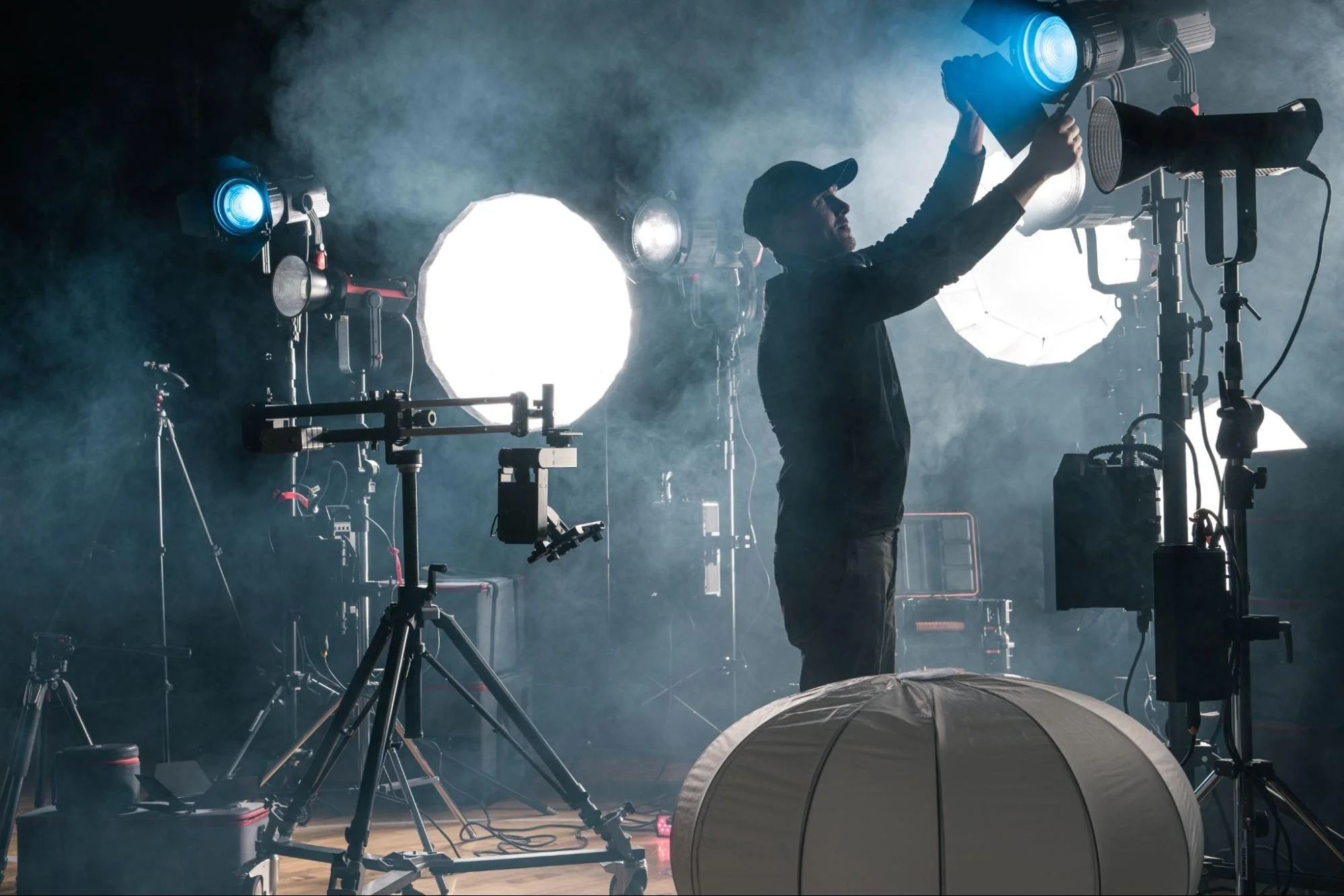
A shoot that produces weeks of assets runs on timing. The best rhythm is to capture the hardest material when energy is highest, then move into easier footage when people naturally get tired.
A clean flow often looks like:
Setup and audio checks first
Talking-head or core clips next
Process and teamwork B-roll after
Quick vertical extras and “safety takes” at the end
That small structure keeps the day calm. And calm matters, because confident pacing shows up on camera.
Decide Where The Assets Will Live
Many teams end up with great footage but no deployment plan. The simplest fix is deciding placements before filming, so your shot list matches what you publish.
Common uses for these assets include:
Website hero clips and service pages
LinkedIn leadership posts and company updates
Short ads, reels, and campaign creatives
Recruiting pages and internal culture updates
A real-world example: a recruiting shoot can also produce a 12-second “work vibe” montage, a 15-second founder quote, and a few quick role-focused clips that HR can reuse for months.
That’s why San Francisco Video Production works best when the footage is planned for real destinations, not “we’ll see later.”
Keep The System Repeatable
The smartest way to get weeks of assets again and again is to treat one successful shoot day as a repeatable framework. Save your shot list, keep your core interview questions, and refresh the examples each quarter. Over time, your marketing stops feeling like constant reinvention. It starts feeling like a system: consistent visuals, cleaner messaging, faster turnaround, and fewer “we need content by Friday” panics.
And when you want that system to run smoothly, at Slava Blazer Photography, our team approaches Corporate Video Production San Francisco like a business tool, not a creative gamble. We help you plan the shoot day around real outcomes, clear hooks, intentional B-roll, multiple formats, and footage that is actually easy to repurpose. Just as importantly, we keep the on-set experience calm and structured, so your people don’t feel like they have to “perform.” They can show up, speak naturally, and still look polished. The result is a content library that supports your campaigns, sales efforts, recruiting, and brand presence without forcing you to start from scratch every month.
If you want one shoot day that turns into weeks of usable marketing content, reach out and let’s plan your production day with a clear deliverables-first roadmap.
Frequently Asked Questions
How much footage is “enough” for weeks of marketing assets?
Enough to create several edits without repeating the same visuals. A strong core piece, a few short soundbites, and varied B-roll usually give editors the flexibility they need.Should the shoot focus on people or the product?
That depends on what you need the content to achieve. People-driven footage builds trust fast because viewers connect with faces, tone, and credibility. Product-focused footage supports conversion because it answers practical questions and shows what you actually deliver. Most businesses get the best results by planning a balanced mix: lead with people for trust, then reinforce with product and process visuals that back up the message.Why do some shoot days still produce too little usable content?
Most of the time, it’s not a filming problem, it’s a planning problem. When a shoot isn’t mapped to outputs, teams capture footage that looks fine but doesn’t cut together into reusable assets. Without a clear shot list, a format plan (horizontal vs vertical), and a placement strategy (where the clips will live), you end up with gaps: not enough transitions, not enough B-roll variety, or soundbites that are too long and hard to repurpose. A little structure upfront usually fixes this completely.
