How Real Estate Photography Makes Small Spaces Feel Premium Without Tricks

Compact homes can still photograph like premium listings without bending reality. Instead of forcing brightness or relying on extreme angles, the focus stays on three things: a layout that reads quickly, light that looks natural, and rooms that feel deliberately presented. Buyers are not looking for a “perfect” version of the space.
They want photos that explain how it flows and what it actually feels like. In this article, we are going to study how thoughtful prep, clean lighting choices, and a smooth photo order can make smaller rooms look elevated while still looking believable anywhere the listing is viewed online or shared. If you’re investing in Real Estate Photography Bay Area, the real advantage is high-end clarity, not exaggeration.
Start With Scale
Premium small-space photography begins with scale cues. When the viewer can sense where furniture fits and how rooms connect, the space feels more livable. That “I get it” feeling reads as quality.
A few simple scale anchors help:
Show at least one corner or doorway so the room has real shape
Include a small foreground element, like a chair edge, to add depth
Keep the camera height natural so the space doesn’t feel distorted
In a tight living room, a frame that shows the seating zone plus a glimpse of the kitchen connection often feels more premium than a close-up detail shot. This is a big part of San Francisco Real Estate Photography because many listings rely on smart layout presentation more than sheer square footage.
Light That Feels Clean
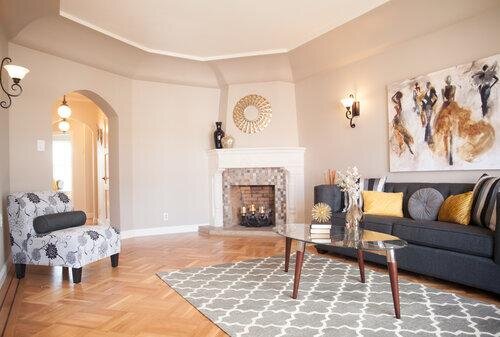
Small spaces look cheaper when light looks dull, yellow, or uneven. They also look untrustworthy when they’re over-brightened. Premium light sits in the middle: bright enough to read, soft enough to feel real.
To keep light clean, focus on consistency. Match bulb tones where possible, use natural light without letting windows blow out, and avoid turning on every fixture if it creates hotspots. The tradeoff is simple: you can chase maximum brightness, or you can chase believable brightness. Believable tends to convert better because buyers feel less surprised at showings.
When the goal is Real Estate Photography San Francisco that performs online, clean light is one of the quiet details that makes compact rooms feel more polished.
Which Angles Feel Bigger?
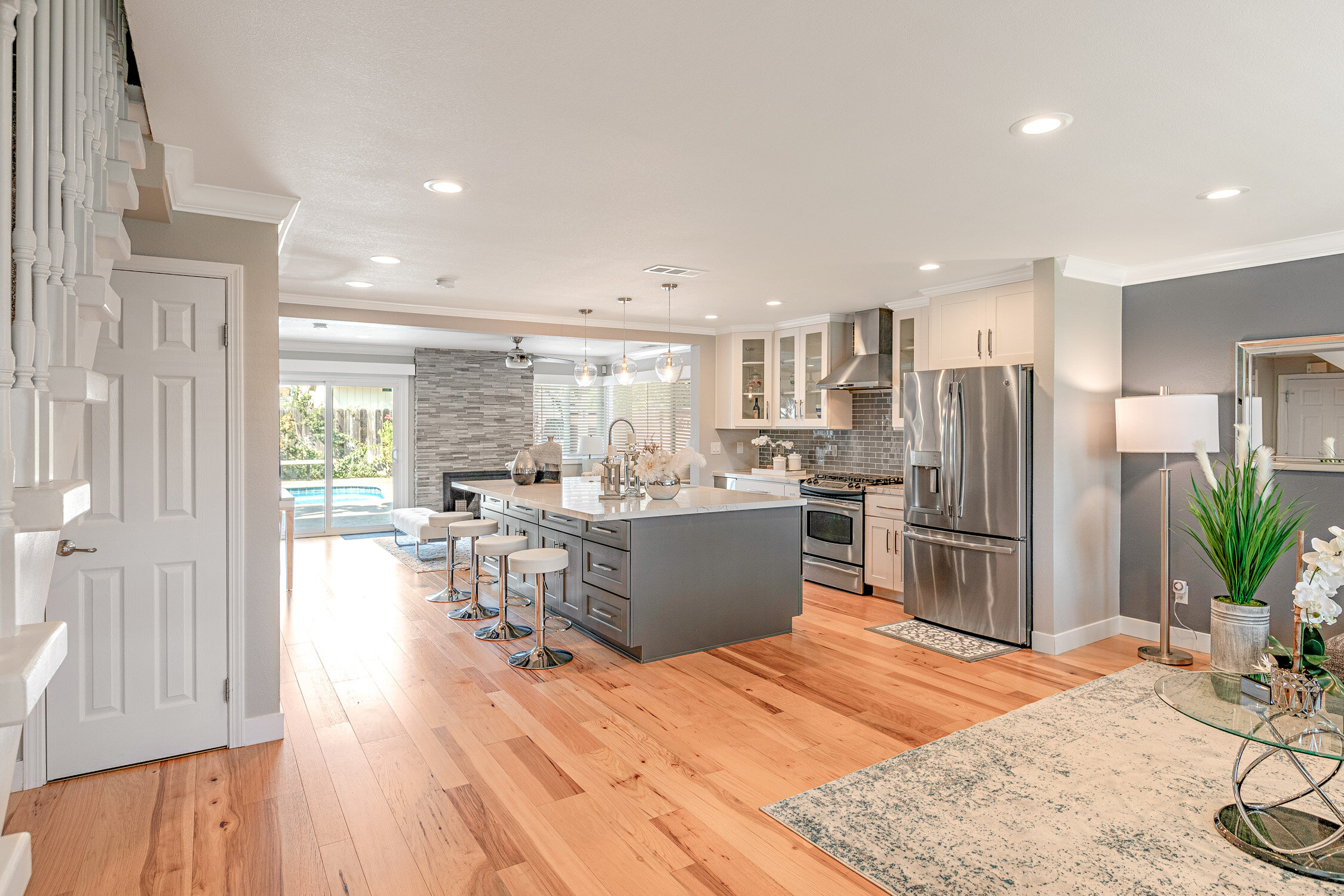
A small room does not need to look “bigger.” It needs to look usable. The best angles show function, depth, and flow without making edges stretch. That is what makes the space feel premium, because it feels thoughtfully presented.
A helpful approach is to choose one “layout logic” angle per room, then one supporting angle that confirms furniture placement. If you’re trying to decide how to photograph a studio apartment for real estate photos, start by showing the sleeping zone and living zone relationship clearly, then confirm storage and kitchen context in a second frame. The viewer should understand the space without guessing.
This is also where working with a Real Estate Photographer San Francisco helps, because the goal is not dramatic wide shots. It’s angles that make the room feel stable and believable.
Declutter With Intention
Premium does not mean empty. It means intentional. A small space can be clean and still photograph busy because the lens catches every edge: cords, stacked stools, crowded counters, too many framed pieces.
A quick reset that keeps rooms elevated:
Clear surfaces down to a few clean items
Remove floor clutter that interrupts walkways
Keep one focal point per room so the eye lands calmly
A compact bedroom can feel high-end when the bed is made cleanly, one side walkway is visible, and the background is quiet. The same room can look cramped when the frame is full of small distractions. This matters for Real Estate Photography Bay Area listings because buyers compare compact layouts quickly, and the calmest gallery often feels most premium.
Build Depth Naturally
Depth is what makes small spaces feel designed instead of tight. You do not need tricks. You need visual layers that lead the eye through the room.
A few natural depth cues:
Photograph from a doorway or corner to create a clear foreground
Let sightlines run into the next space so the layout feels connected
Use vertical lines that stay straight so walls feel solid
A narrow dining nook can feel like an afterthought if it’s shot straight-on. From the kitchen entry, with a hint of the living area, it reads as a purposeful feature. If you want a clean rule of thumb, best angles for small rooms in listing photography usually include one corner, one connection, and one frame that confirms usable floor space.
Editing That Stays Honest
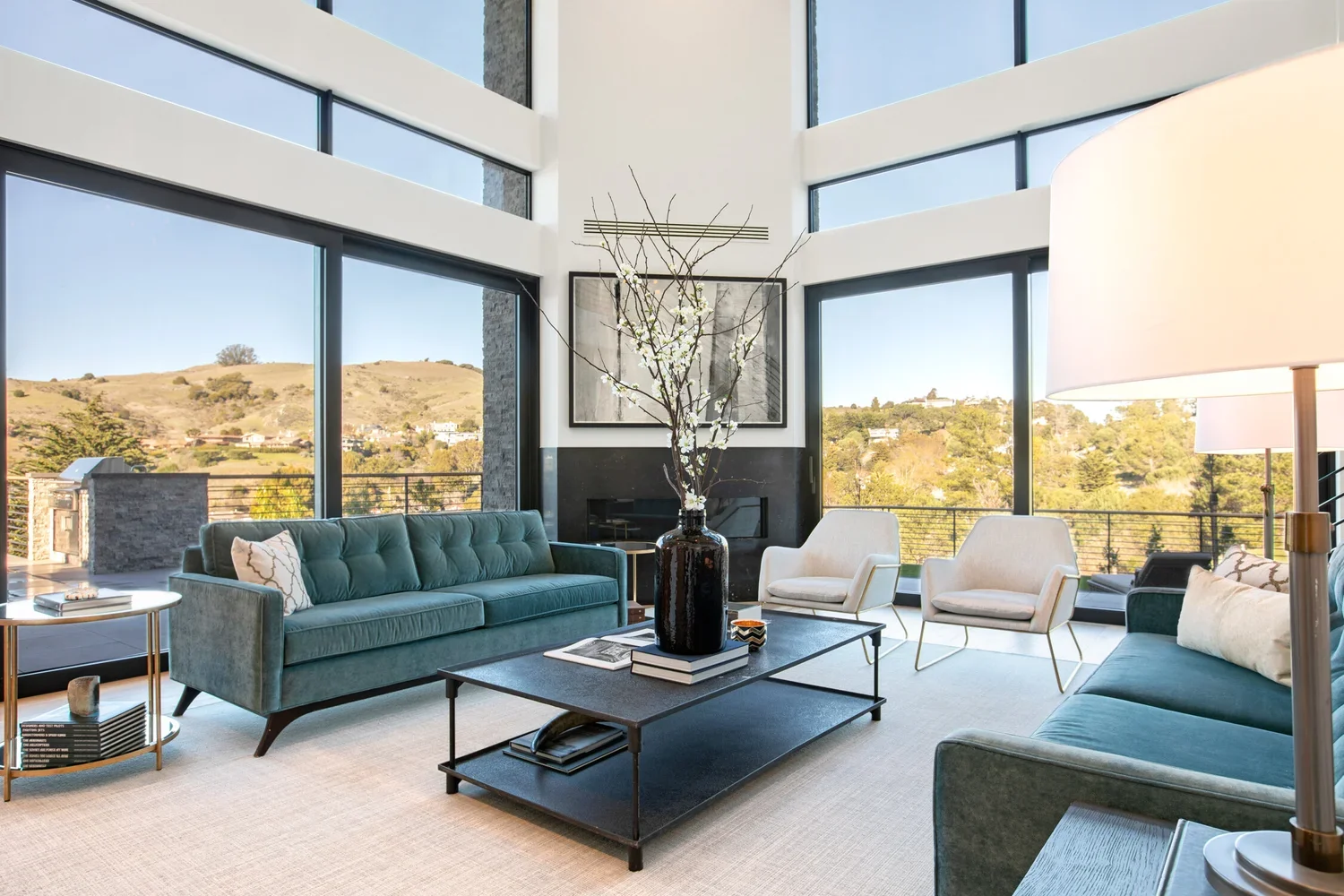
Editing is where small spaces often lose trust. Heavy HDR, extreme shadow lifting, or overly warm tones can make a compact room feel artificial. Premium edits feel clean and restrained.
A believable polish usually includes mild exposure balancing, neutral whites, straightened lines, and gentle shadow control without flattening textures. If the room has bright windows, protect highlights so the window frame stays real. If the room is dim, lift it carefully so it still looks like the actual space.
This is where San Francisco Real Estate Photography benefits from restraint. A clean, honest finish often looks more premium than a dramatic one, because it feels like the home will match the photos.
A Premium Small Space
Small spaces feel premium when the photos remove doubt. Clean lighting, stable angles, and a calm sequence help buyers understand the home quickly, and that understanding reads as quality. When the layout is clear, the room feels usable. When the light is consistent, the space feels cared for. When editing stays honest, the listing feels trustworthy. That combination is what makes compact homes look elevated without any visual tricks, especially in Real Estate Photography San Francisco where buyers expect clarity before they book a tour.
At Slava Blazer Photography, our team approaches Real Estate Photography Bay Area with that exact mindset, making small spaces feel polished through realistic light, layout-focused angles, and a gallery order that helps buyers “get it” fast. If you want photos that feel premium and believable from the first scroll, contact us for a free quote and let’s plan a clean, high-performing shoot.
Frequently Asked Questions
How many photos should a small home listing include?
Most small homes perform well with 20 to 35 photos. Prioritize layout clarity, then add proof shots like storage and condition. Avoid repeats. The goal is an easy walkthrough.
Should wide-angle lenses be used in small spaces?
Yes, but carefully. Moderate wide angles can show layout and depth. Extreme wide shots can warp edges and reduce trust. Straight lines and natural camera height keep the space believable.
What room should lead the gallery for small listings?
Lead with the clearest hero room that shows light and depth. In many small listings, that’s the main living area. A strong first image sets confidence and keeps buyers scrolling.
How do you keep small rooms from looking cluttered in photos?
Declutter surfaces, clear walkways, and keep one focal point per room. Remove cords and excess décor. A calm frame reads as premium. Clean windows and mirrors also help light look crisp.
How fast should real estate photos be delivered?
Many teams deliver within 24 to 72 hours depending on volume and editing. Consistency matters more than speed. Confirm turnaround upfront so the gallery stays polished and on schedule.
