Real Estate Photography That Makes a Listing Feel Easy to Trust

A listing earns trust when the photos feel calm, clear, and believable. Buyers are not only reacting to finishes and décor. They are asking a quieter question: will this place look like this when I walk in. When images feel overly bright, oddly tinted, or confusing in layout, people hesitate and move on. Trust builds faster when the light looks natural, the angles explain the space, and the gallery flows like a walkthrough.
In this blog, we are going to study how to create that trust with practical choices you can plan around, where these photos get used after the shoot, and what separates a premium gallery from one that feels uncertain. If you hire a Real Estate Photographer San Francisco, the best outcome is a photo set that reduces doubt before a showing is even booked.
Trust Starts Before
Trust begins before the first frame. A room can be tidy in person yet read cluttered on camera because the lens amplifies small distractions. The goal is not to stage a fantasy. It is to remove visual noise so buyers can understand the space quickly.
A simple prep mindset that works:
Clear surfaces so countertops and vanities read as usable
Create one focal point per room so the eye knows where to land
Open pathways so the room feels livable, not blocked
Clean glass and mirrors so light stays crisp
Someone once left a full shoe rack by the entry because it felt “normal.” In photos, it made the whole home feel cramped. Moving it out of frame took two minutes and the listing instantly looked more welcoming. This kind of quiet prep is a big part of Real Estate Photography Bay Area shoots, especially in tighter layouts where every edge of the frame matters.
What Do Buyers Doubt?

Buyers rarely say “I don’t trust this listing.” They say things like “the photos feel weird” or “the rooms look off.” What they are noticing is inconsistency. They may not name it, but they feel it.
Common trust-breakers include:
Colors shifting room to room, warm in one shot and blue in the next
Wide angles that stretch furniture and warp walls
Windows blown out into white blocks
Heavy HDR that makes textures look flat
A condo once looked bright online, but every wall was glowing and the window frames had halos. Nothing looked terrible, yet the set felt artificial. Toning the edit down and keeping lines straight made the same listing feel more honest. That is why Real Estate Photography San Francisco often succeeds by choosing restraint over drama.
Clean Light Choices
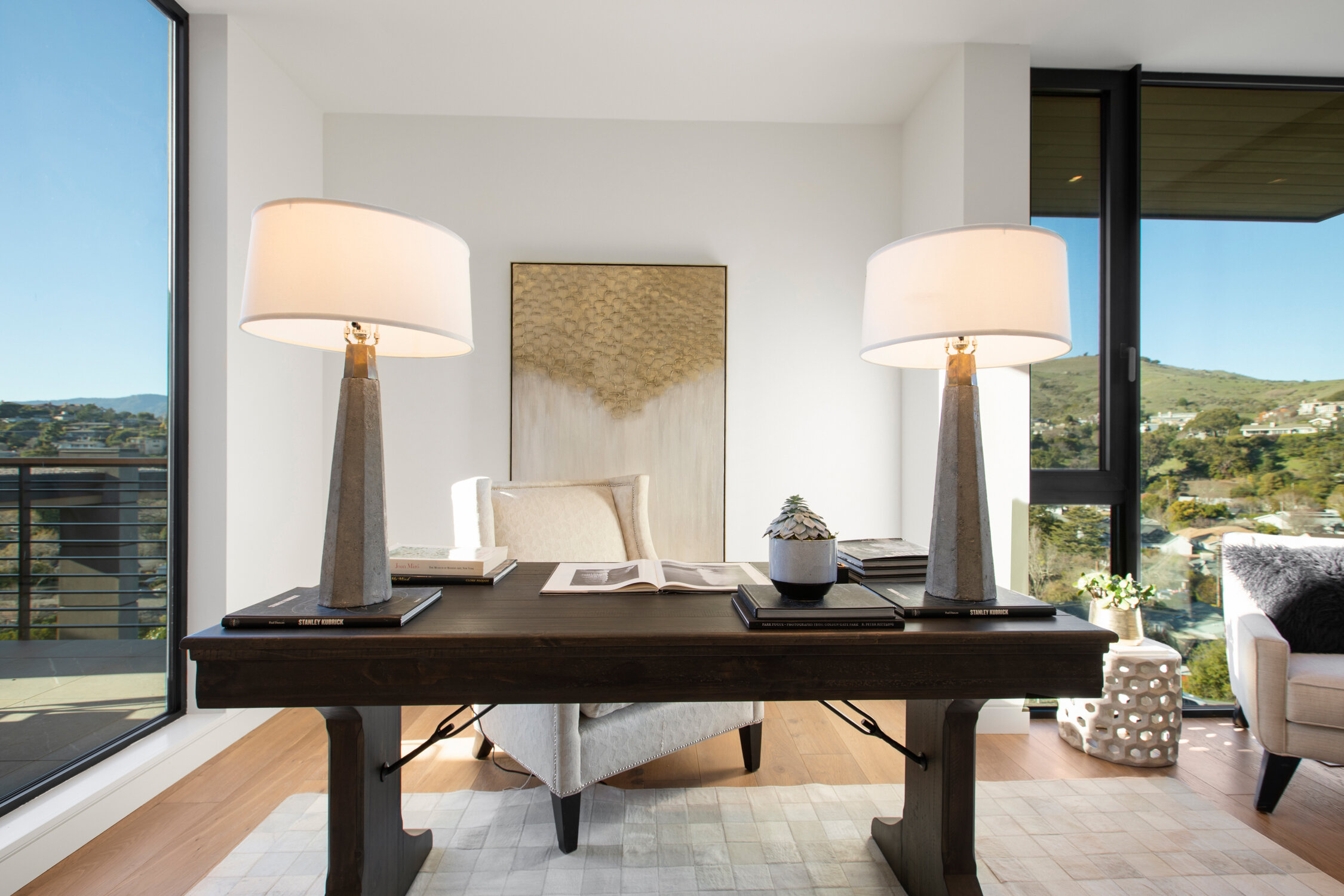
Lighting is one of the fastest trust signals. Buyers do not mind a room being slightly moody if it feels real. They do mind when the room looks bright in photos but dim in person.
A balanced approach usually means using natural light where possible, controlling glare, and turning on only the fixtures that create even brightness. Mixed bulb tones can quietly ruin trust, so matching color temperature matters more than people expect.
Here is the tradeoff to accept turning on every light can make the room brighter, but it can also create hotspots and mixed color. A cleaner, more believable photo often comes from fewer lights used thoughtfully.
If your goal is consistency across the entire gallery, this is where San Francisco Real Estate Photography becomes less about “making it pop” and more about making it feel accurate from room to room.
Angles That Explain
Buyers trust listings they can understand quickly. That comes down to angles that show depth, flow, and real scale. When shots are too tight, viewers cannot place furniture. When shots are too wide, the space can look stretched and misleading.
A few angle habits that build clarity:
Include corners or doorways so scale feels honest
Show connections between rooms, living to kitchen, kitchen to dining
Keep vertical lines straight so the room feels stable
A narrow dining nook can look awkward when shot straight on. From the kitchen entry, with a bit of the living area visible, it reads as a real feature, not an afterthought. A Real Estate Photographer San Francisco will usually pick these “layout logic” angles early because they reduce doubt fast.
Proof In Details
Once buyers understand the layout, they start looking for proof. Proof is not a close-up of every faucet. It is evidence that the home is cared for and functions well. The best detail shots support the story without feeling like filler.
The most useful proof moments tend to be:
Storage shown cleanly, closet space, pantry, built-ins
Condition cues, clean baseboards, tidy corners, no visual clutter
One or two finish details that confirm quality without over-selling
If you’re wondering how to photograph a rental listing so it feels lived in but clean, focus on neat surfaces, clear pathways, and one or two small touches that suggest comfort without making the space look staged.
This is also where buyer trust grows because the listing stops feeling like a highlight reel and starts feeling like a place they could actually walk into.
Sequence Builds Confidence
Even strong photos can underperform if the order feels random. Buyers scroll in a pattern. They want orientation first, proof second, and value moments once they already understand the space. A gallery that jumps around feels uncertain.
A practical sequence that usually works:
Start with the clearest hero room that shows light and depth
Follow with the main flow so the layout makes sense
Move to bedroom and bath coverage once orientation is established
Add value shots like storage, outdoor space, or view moments
If you’ve ever tried to diagnose why a listing gallery feels confusing, it often comes down to order. The best photo order for real estate listings that keeps buyers scrolling is the one that feels like a walkthrough, not a random set of pretty frames.
This approach also helps across platforms. MLS, portals, and social previews often crop thumbnails. When the first few photos are clean and readable, trust builds before the buyer even opens the full gallery.
Ready For Showings

A listing feels easy to trust when the photos remove guesswork. Clean prep lowers visual noise. Balanced light keeps rooms believable. Angles that explain flow reduce hesitation. Proof details confirm condition and livability.
A calm sequence helps buyers understand the home in seconds, which is what turns curiosity into messages and showings. Used well, Real Estate Photography Bay Area is not just about beauty, it is about clarity that supports real decisions. And at Slava Blazer Photography, our team brings that trust-first approach to Real Estate Photography San Francisco, keeping lighting realistic, choosing angles that reveal layout, and delivering galleries in an order that helps buyers understand the space fast. If you want a listing photo set that looks premium while still feeling honest, reach out for a quick quote and a simple shoot plan.
Frequently Asked Questions
How many photos should a listing gallery include?
Most listings land well with 25 to 40 images, depending on size. The best sets avoid repeats, show layout clearly, and include a few proof details after orientation.Do buyers notice heavy editing?
Yes. Even when they cannot name it, halos, warped lines, and odd color shifts reduce trust. Clean, restrained editing usually performs better and creates fewer “looks different in person” reactions.What room should lead the gallery?
Lead with the brightest, clearest main space that shows depth and flow. That first image sets the trust tone. If the opening feels confusing or dark, many buyers bounce quickly.Should windows be shown with the view visible?
Yes, but balance matters. A readable interior with a natural view builds trust more than a blown window or a dark room. Consistent exposure usually performs better across platforms.How fast should listing photos be delivered?
Most teams aim for fast turnaround, but consistency matters more than speed. A clean edit, straight lines, and even color are worth waiting for. Set expectations upfront to avoid uneven results.
