Real Estate Photography in San Francisco: How to Present Space, Light, and Layout Clearly

KEY POINTS:
Prepare each room carefully so buyers can understand its size and purpose.
Remove clutter, open curtains, and clear walkways before the photo session.
Use natural-looking angles that show space without creating distortion.
Balance window light and interior lighting to keep colors accurate.
Photograph rooms in a logical order to explain how the property flows.
Show connecting doorways, hallways, and open areas to clarify the layout.
Use wide shots first, and then add selected detail images for context.
Highlight features such as storage, flooring, views, and updated fixtures.
Keep brightness, color, framing, and editing consistent across the gallery.
Include all important rooms so buyers do not feel information is missing.
Choose the number of images according to the property’s size and features.
Use clear, realistic photography to make the listing feel credible and market-ready.
A property listing should give potential buyers a sense of the look, feel, and flow of a home before they make arrangements to view it. Professional real estate photography in San Francisco will take sharp shots of the rooms, with balanced light, true color, and in a logical order. The aim is not to make a property appear larger or more luxurious than it is. To show the space as it is and to help viewers see its best features. If the images aren’t good, buyers might doubt the size, condition, or layout of the space even if the home is well kept. Professional planning reduces that uncertainty by showing how the rooms relate to each other, where the natural light comes in and the details that give the home character. In this blog, we will show you how careful property photography makes listings look polished, credible and ready for the market, whilst clearly showcasing space, light and layout.
Prepare Rooms before Photography
Clear property photos start before the camera is even set up. “Rooms should feel clean, open and easy to comprehend.” Too much furniture, clutter, cords and crowded surfaces distract from the shape of the room, and make it look smaller. The goal is to bring visual order so buyers can focus on the home.
Helpful steps include:
Open curtains and blinds
Clear counters and tabletops
Straighten rugs, bedding, and cushions
Hide bins, cleaning products, and loose cables
Replace burned-out bulbs
Move items that block walkways
A real estate photographer in San Francisco that property professional’s partner with may also recommend minor adjustments to the angle of the camera. Moving a floor lamp or adding a dining chair can make the room look bigger without changing the size of the room. Kitchens, bathrooms and smaller bedrooms are the best places to prepare because clutter can quickly take over the frame. Well-prepared rooms allow buyers to see the proportions quicker.
Show Space without Distortion

A good property image should make a room easy to understand, not unrealistically large. Extremely wide lenses or aggressive editing can stretch walls, furniture, and doorways until the space no longer feels believable.
The strongest images explain the room while preserving natural proportions. Camera height, lens choice, and position all affect the result. Photographing from a corner may reveal more of the room, but the angle should still feel comfortable and accurate.
Useful photographs usually show:
The room’s main purpose
Important windows and natural light
Connections to nearby spaces
Built-in storage or architectural details
Enough floor area to understand scale
How Should Light Look?
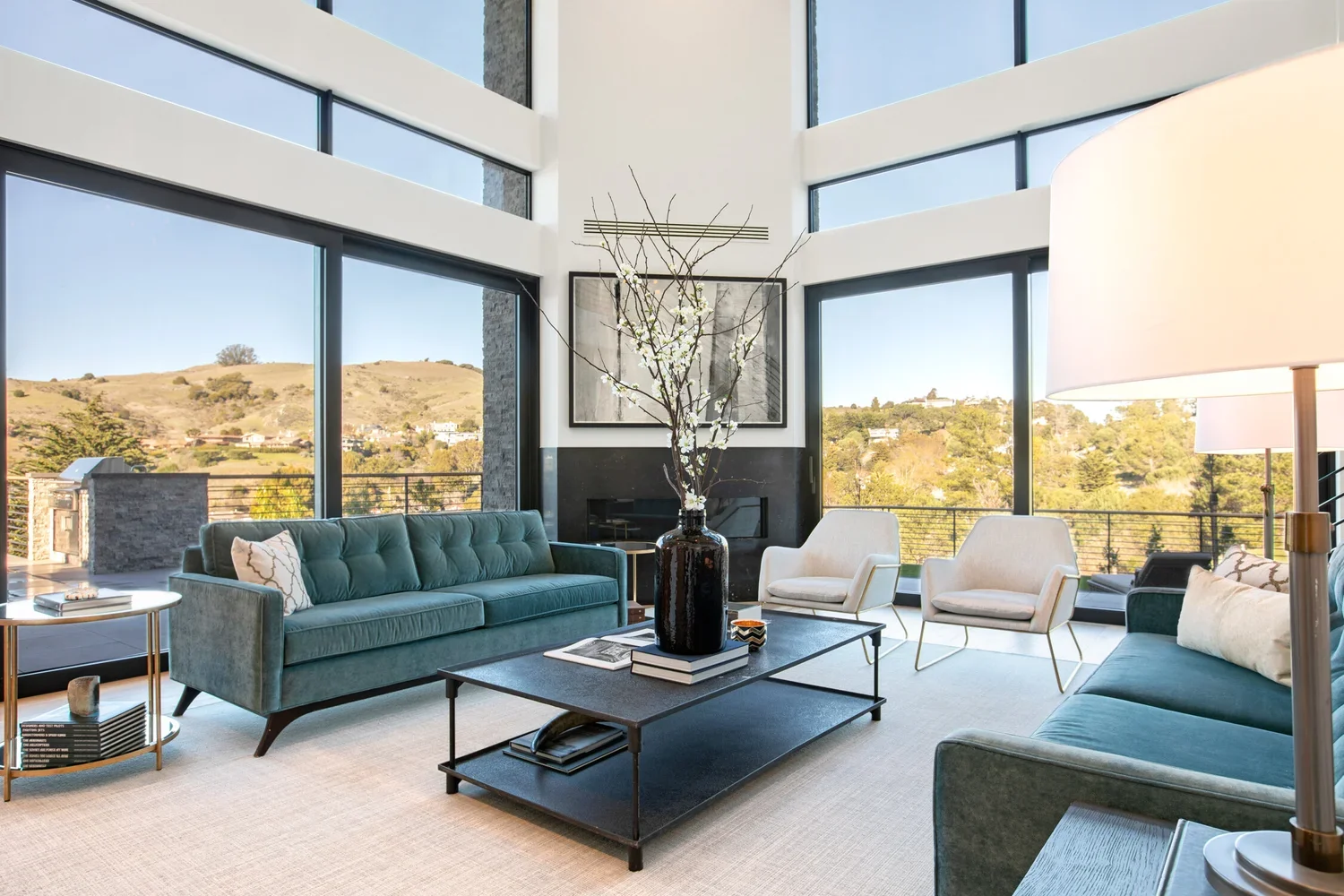
Light should make the property feel clear and natural. It should not wash out windows, create dark corners, or change the true colors of walls and finishes. Natural light is valuable, but it needs to be controlled. Bright windows can make indoor areas look too dark, while heavy artificial lighting may create mixed color tones. A careful approach balances the scene so both the room and outside view remain visible where possible.
Effective real estate photography in the Bay Area often requires different lighting decisions depending on the property and weather. A bright apartment with large windows may need careful exposure control. A darker home may benefit from additional lighting or a better shooting time.
The photographer may adjust:
Window exposure
Interior lamp brightness
White balance
Reflections on glass and metal
Shadows in corners
Color consistency between rooms
A west-facing living room may look best later in the day when sunlight feels warm but not harsh. A north-facing room may need more light to avoid appearing flat. The final images should feel bright yet truthful. Overly bright editing removes texture, while dark images can make rooms feel smaller.
Reveal the Property Flow
Buyers do not only want attractive rooms. They also want to understand how those rooms connect. A listing with beautiful individual images can still feel confusing if the sequence does not explain the layout. Thoughtful San Francisco real estate photography should create a visual path through the property. Images may begin with the exterior or entry, move through the main living areas, continue into bedrooms and bathrooms, and finish with outdoor spaces or special features. Doorways, hallways, open-plan areas, and connecting views can explain the flow. One living room photograph might show the entrance to the kitchen, while a kitchen image may reveal the dining area beyond.
A strong listing sequence may include:
Exterior and building approach
Entrance or foyer
Living room
Kitchen and dining areas
Bedrooms and bathrooms
Office or flexible spaces
Outdoor areas
Parking or shared amenities
The order should reflect how a visitor would naturally move through the property. This is especially useful for apartments, split-level homes, and unusual layouts.Clear flow reduces guesswork and helps buyers judge whether the arrangement suits their needs.
Highlight Features with Context
Special features can strengthen a listing, but they should be photographed in a way that shows where they belong. Close-ups of finishes, fixtures, or design details are useful only when buyers can connect them to the wider room.A fireplace, built-in shelf, kitchen island, bay window, or original molding may deserve attention.
However, the listing should first include a wider image that explains the space. Detail photographs can then support that larger view. In professional real estate photography, context prevents the gallery from feeling fragmented. A close image of a marble countertop is more meaningful after buyers have seen the full kitchen. A balcony view works better when the gallery also shows how the balcony connects to the living area.
Useful details may include:
Updated appliances
Built-in storage
Architectural trim
Flooring materials
Views and outdoor access
Renovated fixtures
Not every feature needs its own image. A balanced gallery combines wide views, medium compositions, and a few close details.
Create a Consistent Gallery

A listing feels more credible when the full image set has consistent color, brightness, framing, and editing. If one room appears warm and bright while the next looks dark and blue, buyers may struggle to understand the property accurately. Consistency should continue across interiors, exteriors, and detail images. The photographs should feel like one visual story.
Strong real estate photography San Francisco listings usually avoid:
Heavy filters
Extreme color saturation
Crooked vertical lines
Unnatural sky replacement
Overly bright windows
Inconsistent image crops
Missing important rooms
The number of images should also suit the property. A small apartment may not need dozens of similar photographs, while a large home requires enough coverage to explain every important area. One clear bedroom image plus coverage of storage or outdoor space is often more useful than several similar views. Consistency also supports MLS platforms, agency websites, brochures, and social media. The same image set can work across several channels when it is planned and delivered in suitable formats.
Present the Listing Clearly
Good property photography enables buyers to understand space, light, layout and key features before they visit. The most powerful images do not imply limits. They are accurate in presenting the home and making each room easy to read. Preparation, position of the camera, control of lighting, order of images, and consistent editing all contribute to a listing that feels complete and credible. Broad views describe room function, linking angles show flow, and selective details add context without overburdening the gallery. When these elements come together, buyers can evaluate property with more confidence, and agents can market it with fewer visual gaps. Real estate photography San Francisco services can be especially helpful if homes have cramped rooms, unique architecture, shifting natural light, or layouts that need to be carefully explained.
At Slava Blazer Photography, we design each property session with true assets of the home in mind. We provide clean, balanced photos that make listings look professional, accurate, and ready for serious buyer consideration.
Frequently Asked Questions:
How do you prepare a home for photography?
Rooms should be clean, tidy, and free of clutter. Open curtains, clear surfaces, straighten soft furnishings, hide personal items, and make sure all lights are working.Can professional photos make small rooms look clearer?
Yes. Careful angles, balanced lighting, and sensible furniture placement can explain a small room clearly without making it appear unrealistically large.Should every room appear in the listing?
Important rooms should normally be included. Missing bedrooms, bathrooms, or key living spaces may create uncertainty for buyers.Why does image order matter?
Buyers must understand the logical flow of the property from the entrance through the main rooms and into private or outdoor space.Where can property photographs be used?
They can be used on MLS listings, agency websites, property portals, brochures, email campaigns, social media and digital ads.
