Corporate Video Production San Francisco: Clearer Business Stories Help Brands Earn Attention

Strong corporate video production in San Francisco businesses invest in is not only about filming attractive footage. It’s basically about turning a company’s message into something that people can get fast, remember clearly, and trust a bit easier. In these crowded markets, brands don’t only go head to head on product or service quality, but also on how well they explain what they do, why it matters, and yes, why customers should actually take notice.
Video kind of helps, because it brings together the message, the tone, the pace, some personality, and visual proof all in one and it feels kind of immediate. Whether you’re aiming for a brand overview, a company profile, an interview, an internal communication piece, a recruiting tool, a customer story, or even an event recap, better business storytelling usually brings better visibility. In this blog, we’ll dig into how clearer corporate video planning helps brands communicate more effectively, seem more credible, and keep attention longer.
Build From Message Clarity

Many business videos underperform for this kind of simple reason the message feels unclear even before anyone starts filming. A company might think it already knows what it wants to say, in broad strokes, but if the purpose for the video isn’t defined cleanly right at the start, the finished result can look polished, yet it can still feel kind of unfocused or distracted.
A strong corporate video should land on one central idea, and actually do it well. It might show what the business does, introduce the team, place a service in front of people, underline a customer outcome, or even support recruiting. But it shouldn’t try to do everything in one run. If the video attempts to cover the whole company, every service line, the entire founder's back story, and every competitive advantage at the same time, it usually gets harder to track, like the narrative is going in too many directions. Just because of this, pre-production matters so much.
Stronger Stories Hold Attention
Businesses often assume viewers need more information when really what they usually need is a better structure, like a clearer path. People do not remember long lists of features, not really. They tend to remember clear stories, solid examples, helpful explanations, and also visuals that back up the point, instead of just re repeating the same idea over and over.
This is where corporate video in San Francisco companies can use their work more effectively than static content alone. Like, a founder talking through why the company exists, a team member walking through how a service functions, or even a client describing a real outcome often feels more convincing than a page of written claims. The audience catches tone, confidence, and trustworthiness all at once, which is kind of the whole trick.
For example, a small healthcare technology company might create a short brand film, explaining its mission using leadership commentary and real workplace footage. A law firm may use video to make its team seem more approachable and articulate, too. A startup might lean on customer-facing video to make a complicated product offering feel less intimidating. In each case, that story-driven format makes the message easier to take in, without all the extra friction.
Plan around Real Usage
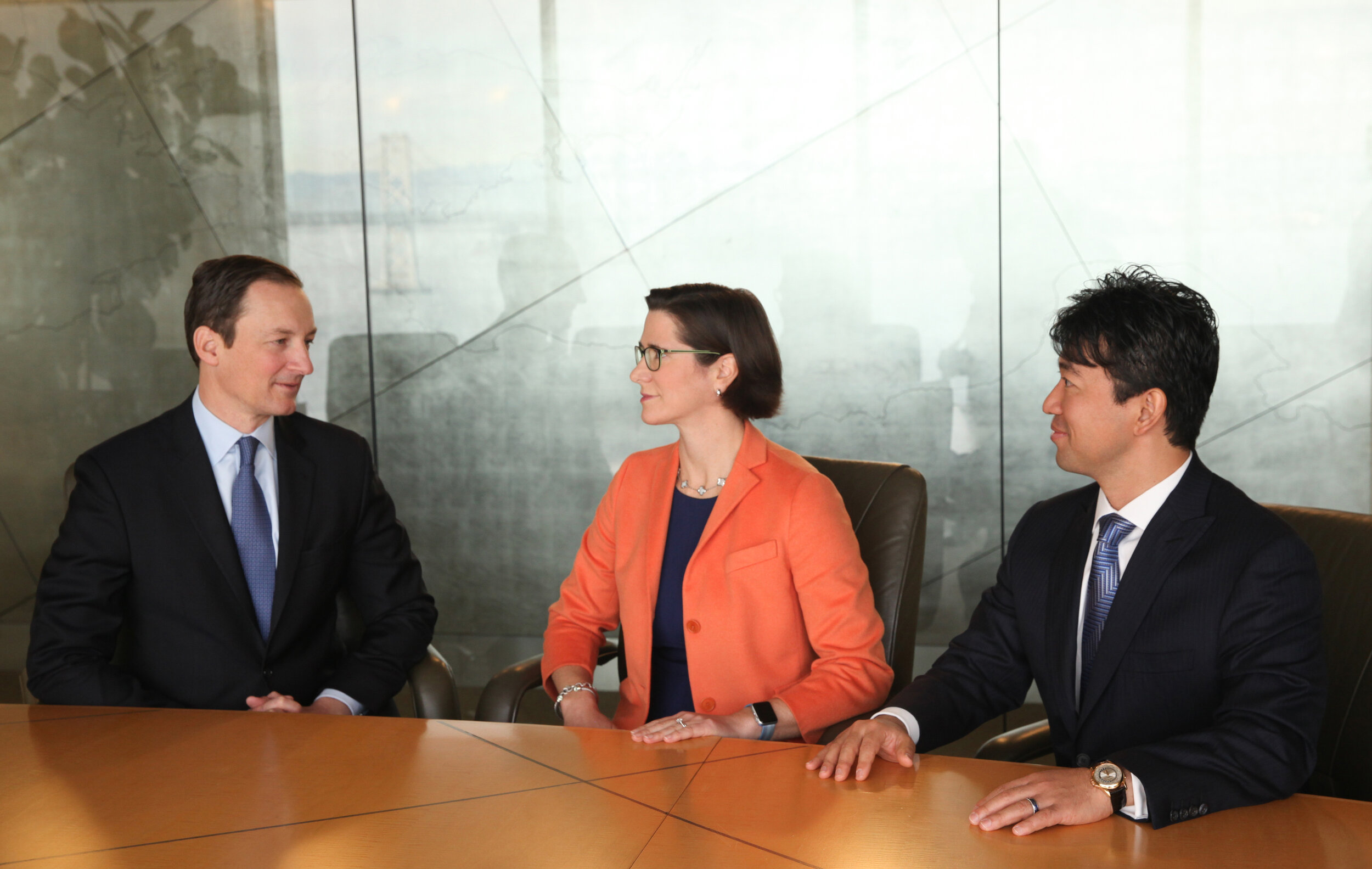
A business video becomes more valuable when it is planned for where it will actually be used. A website homepage, investor deck, LinkedIn campaign, internal training system, recruiting page, conference presentation, and email sequence do not all demand the same type of video.
That is why companies should decide early how the finished content will be used. This may include:
• Homepage brand introduction
• Service explanation
• Leadership interviews
• Recruiting and culture content
• Event recap material
• Customer stories
• Short social edits
A smart production plan prevents one video from trying to carry too many different jobs. A business may need one polished brand piece and several shorter supporting edits rather than one long video expected to do everything. When usage is planned from the start, the footage becomes more flexible and more commercially useful.
Choose Production Style Carefully
The strongest business videos are not always the biggest productions. What matters is fit. A polished interview-based video may work well for professional services. A more dynamic on-location piece may suit hospitality, retail, real estate, or events. A founder-led message may suit a startup, while a multi-person format may work better for established organizations.
This is also where choosing the right videographer for business becomes important. The person or team behind the project should understand more than cameras and editing. They should understand how businesses communicate, what kind of material feels credible on screen, and how to translate a company’s strengths into visual form without making the result feel generic.
A video can look expensive and still fail to connect if the pacing, tone, or structure does not match the business. Stronger results usually come from clear creative decisions rather than overproduction.
Questions Businesses Should Review
A useful question many companies ask is, how does corporate video production help businesses stand out? The practical answer is that it helps by making the business easier to understand, more memorable to the audience, and more credible in markets where attention is limited. A clear video gives people less work to do. It lets them see the message instead of having to piece it together from scattered text and static images.
Before moving forward, businesses should ask:
• Who the video is for
• What action the viewer should take afterward
• Where the video will be published
• Whether interviews, b-roll, or voiceover are needed
• How much of the company story belongs in one piece
• Whether shorter cut-down versions are also required
These questions usually reveal whether the project has a strong foundation or whether it still needs strategic refinement before production begins.
Why Local Production Helps
Working with a nearby team can make business video production feel a lot more efficient, especially when filming needs office access, several team members on hand, event coverage, or this location-based storytelling thing that really benefits from people who are already in place. Like if a company is shooting in San Francisco, they usually end up juggling hectic schedules, tight filming windows, shared office spaces, and those branding expectations that have to be dealt with carefully.
That is one reason Bay Area video production can be especially useful for regional companies that want smoother coordination and a better understanding of local settings. A local crew may be better positioned to work on-site, adjust quickly to business conditions, and support faster communication throughout the production process.
Clearer Videos Earn Attention

A strong corporate video usually feels clear, direct, and professionally restrained. It should not overstate. It should explain. It should not try to impress with style alone. It should make the company easier to understand and easier to trust.
That means the most effective business videos often share a few qualities:
• A clear message
• A defined audience
• Natural speaking moments
• Visuals that support the message
• Concise pacing
• A realistic call to action
When those elements are aligned, the video begins to work beyond aesthetics. It’s basically like a communication tool; it can help with visibility, better sales, recruiting, credibility, and brand memory, all sorts of things at the same time, or at least that’s the goal.
At Slava Blazer Photography, our team is focused on business video content that helps brands connect with a bit more clarity, stronger visual confidence, and improved real-world usefulness across San Francisco and the Bay Area. Our professionals work to craft videos that are intentional, well finished, and honestly helpful for how modern brand communication needs to work today.
Frequently Asked Questions:
What kinds of businesses usually get a lot out of corporate video production?
Think of professional services firms, newer startups, healthcare organizations, universities, real estate businesses, hospitality brands, and, honestly, a bunch of other groups too. They typically need to get their point across a bit more clearly, and video helps with that.What can a corporate video be used for, exactly?
You’ll see it on websites, recruiting pages, LinkedIn, slide decks, email campaigns, internal updates, event displays, and those wider marketing pushes where you need consistency.Now, how long should the corporate business video be?
Well, it kind of depends on what it’s trying to do. Some clips feel right under a minute, while others need more space for interviews or a proper service explanation. The “best” length is usually the one that fits the intended use without the message getting fuzzy.Does every corporate video need interviews?
Not necessarily. Some projects do great with interviews, but others lean more on visual storytelling, voiceover, or a text-driven outline. The format should match the message and also the audience, not just what’s trendy.Why planning matters so much before filming, like seriously?
Because the message, who you’re speaking to, the structure, and where the video will show up all shape whether the final piece feels useful or a little unfocused. When planning is tighter, the result is often stronger, and the production stage tends to be more efficient too.
