Choosing the Right Length for Business Videos So People Finish Watching

Inside most companies, video projects usually start with a simple thought: “We should have a video for this.” Only later does the awkward follow up appear: “Okay, but how long should it be?” Viewers today are used to skipping, scanning, and closing anything that feels slow or unclear. If you guess the runtime, you risk pouring time and budget into a piece people abandon halfway. In a region where Bay Area Video Production is used for launches, fundraising, hiring, and training, that guess can be an expensive one.
Getting the length right is less about chasing a magic number and more about matching purpose, audience, and where the video will live. When those three are aligned, people are far more likely to stay with you until the end, and actually remember what they’ve seen.
Understanding how people really watch
Before you decide on minutes and seconds, it helps to be honest about viewing habits. Most people are not watching your video in a quiet room with full attention. They are glancing at it between emails, messages, and other tabs. Attention is high at the start, then drops quickly if the content doesn’t feel relevant.
In practical terms, that means:
The opening moments need to make it clear who the video is for
Viewers want to understand “what’s in it for me” almost immediately
Slow introductions and vague messaging encourage people to click away
A short, focused clip that respects a viewer’s time will nearly always outperform a longer piece that takes too long to get moving. At the same time, some topics genuinely need more space. The goal is not “always shorter” but “no wasted time.”
Start by choosing one main job
Length becomes easier to decide when each video has a single primary job. Problems start when one piece tries to explain the company, launch a product, share a customer story, and teach usage tips all at once. That kind of brief almost guarantees bloat.
Ask your team simple questions such as:
Is this video meant to spark curiosity or deepen understanding?
Are we talking to strangers, warm leads, or existing customers?
What should someone think or do differently after watching?
A San Francisco business explainer video strategy for a new feature, for example, might suggest a tight two minute explainer for the website and separate, more detailed clips for current users. Once you separate those goals, the “right length” for each piece starts to reveal itself.
Deciding on a realistic runtime
There is no single perfect length for all business videos, but there are useful ranges for different situations. A teaser for an event, a home page overview, and an internal training module simply do different jobs.
As a working guide, many teams find that:
15–30 seconds works well for quick teasers, social ads, and event reminders
60–120 seconds is strong for product explainers, home page intros, and short case studies
3–7 minutes suits deeper case studies, interviews, or training chapters
The context matters. Someone scrolling a feed will give you less time than someone who clicked a link in a welcome email or training portal. When you collaborate with a Videographer For Business, they can help you match your message and pacing to that context, so the runtime feels natural rather than arbitrary.
Matching content length to platform
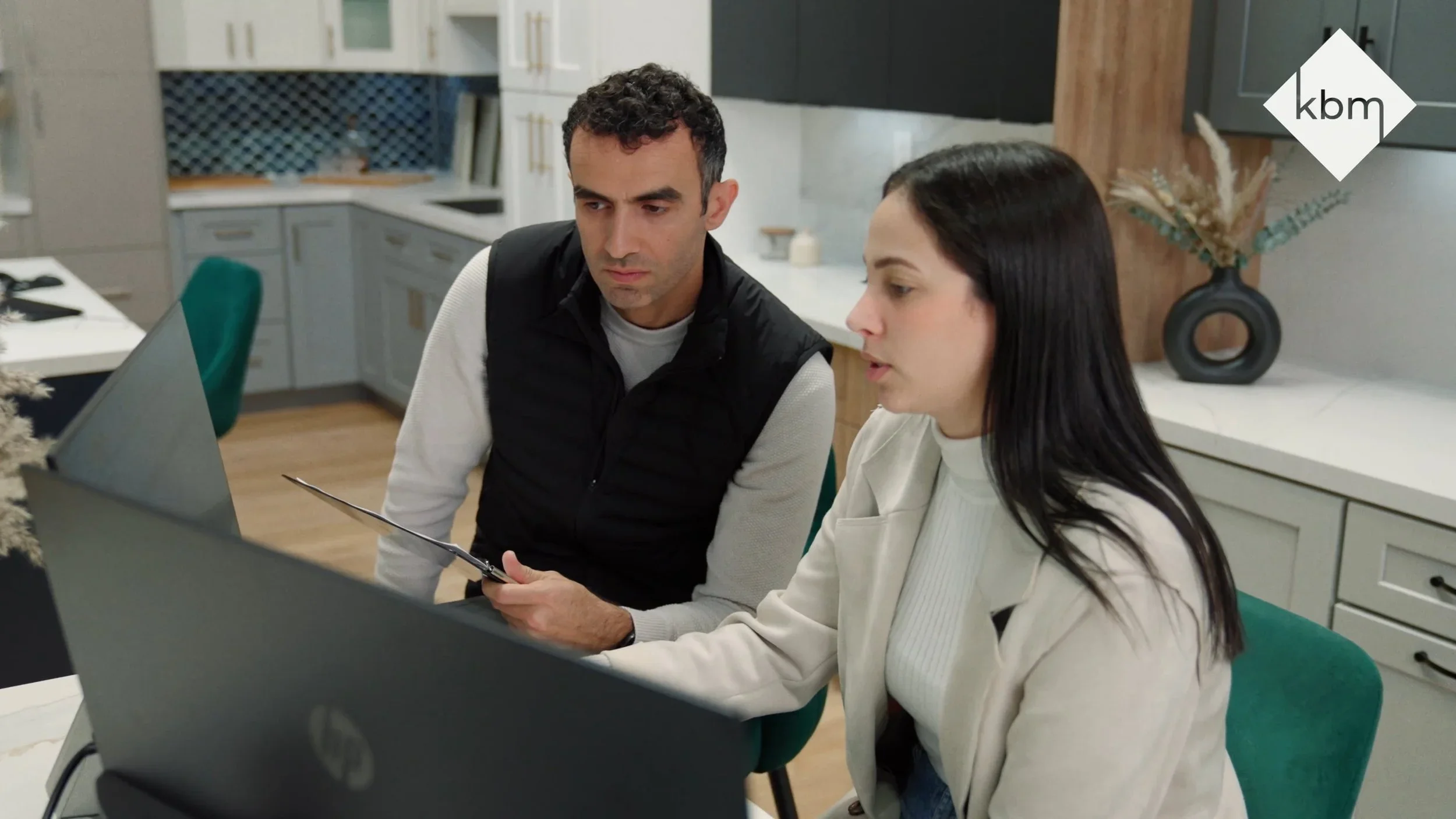
Where a video will live has a direct impact on how long it should run. A clip at the top of a landing page has a different job to one embedded in a help centre or shared during onboarding. Teams investing in corporate video San Francisco projects often end up with several versions of the same core story, each cut for a different place.
The same idea might be shaped into:
A short overview for your main website
A slightly longer version for sales teams to play in calls or leave behind in follow up emails
Focused, bite sized edits highlighting a single benefit for social or paid campaigns
Internally, a Bay Area corporate training video length guide might recommend breaking a long topic into shorter modules instead of one heavy piece. Staff can watch one chapter at a time, revisit specific sections later, and are less likely to feel overwhelmed by a twenty minute timeline.
Planning structure before you script
Length is only helpful if the content inside that time is organised. A clear structure gives viewers a sense of direction and makes editing decisions easier later on. Rather than starting with “we want this to be ninety seconds,” begin by mapping out what needs to happen in the story.
A simple structure could be:
Opening: Who this is for and what it is about
Problem: The situation or challenge you are addressing
Response: How your product, service, or idea helps
Evidence: A quick example, client result, or demo
Next step: What you’d like the viewer to do or consider next
Once this is sketched out, assign rough timings to each part. If the outline feels crowded for your target length, that is a signal to either trim the message or split the project into separate videos. It is better to have two clear, watchable pieces than one long video that loses people halfway through.
Testing and adjusting over time
Even with a good plan, your first guess at length will not always be perfect—and that’s fine. Instead of trying to get it exact in one attempt, treat each project as an opportunity to learn more about your audience. You do not need complicated analytics to see useful patterns.
Simple checks might include:
Asking a small internal group to watch early cuts and pinpoint where their attention dipped
Reviewing watch time and drop off points from previous videos on the same platform
Trying slightly different runtimes for similar content and seeing which performs better in a small campaign
Teams working with Bay Area Video Production partners often discover that taking out even thirty seconds of repetition can dramatically improve how many people make it to the end. Over time, these small refinements build a feel for what lengths your specific viewers tolerate, enjoy, and respond to.
Turning watch time into real results
Choosing a length is not a cosmetic choice; it directly affects whether people stay long enough to hear what matters. When you link runtime to a clear purpose, a realistic structure, and the right platform, your videos become easier to plan and more reliable as tools for communication. Viewers feel that their time is respected, and your team gains content they can use confidently across sales, marketing, and internal channels.
At Slava Blazer Photography, our video team treats length as part of the strategy, not a last minute detail. We work with clients to understand who they are speaking to, where each video will be used, and what kind of runtime makes sense for that context. From there, we shape scripts and edits so every section earns its place. The aim is straightforward; business videos that people actually finish, remember, and want to share, rather than pieces that simply tick a box on a content calendar.
Questions Readers Ask
Why do so many business videos lose their audiences before the end?
Many videos take too much time to get to the point, overly repeat information or attempt to cover far too much ground in just one piece. If the opening doesn’t immediately signal to viewers who the video is for and why it matters, people move on. Structure and pacing are unclear and slow, making viewers drop off early even if the content is relevant.Must every video be super short?
Not always. Snap shots are great for awareness and reminders, but more complex thoughts require more time. The true aim is discarding anything that doesn’t add toward the viewer making an informed decision or moving toward understanding. Some of the most successful business videos are barely two or three minutes long; they simply stick to the subject and don’t go off on tangents.But how does a team determine length before shooting any footage?
A team can begin with consensus around one overarching goal, determining the primary audience and selecting where the video might live. You can then lay out the major points and estimate how much time each will take. If the outline seems dense for a particular topic you are covering, then it could be more helpful to break that same content into several smaller posts. Engaging a production partner from early development can also be instrumental in turning those goals and constraints into an achievable, efficient runtime.
