What Casting Teams Notice First in Actor Headshots
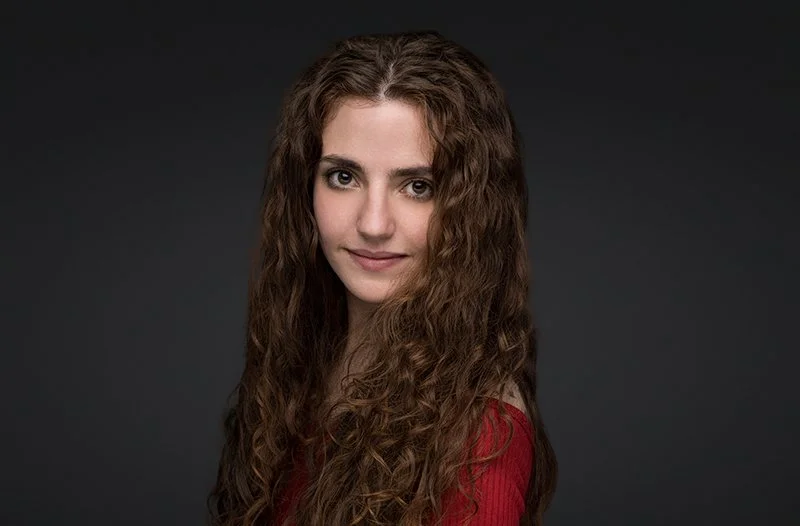
A strong headshot makes your first impression feel clear and current. It should show your face in a way that’s easy to read, with an expression that feels believable and a look that matches how you show up today. The goal is not to look “perfect.” It’s to look like someone who belongs in real roles, with images that hold up across different platforms and crops.
Today in this blog, we are going to study how to shape a headshot that feels professional without feeling overdone, how these images get used across submissions and profiles, and what to do during a session so you walk away with options that feel like you. If you’re booking Actor Headshots in San Francisco, the focus is creating a clean first impression that stays consistent everywhere you submit.
The First Three Seconds

The first read is not about your outfit or your jawline. It’s about clarity. Casting wants to recognize a person quickly and understand what lane you might fit. If the image is confusing, overly stylized, or feels “acted,” trust drops.
What usually reads well right away:
a clean, distraction-free background
natural eyes that look present, not frozen
lighting that feels real instead of dramatic
a current look that matches how you show up today
A headshot can be technically sharp and still fail if it feels like it’s trying too hard. That’s why Professional Headshots in San Francisco for actors are often clean and simple, with small choices that keep the focus on you.
What Reads Castable?
A castable headshot does not mean “smiling” or “serious.” It means believable. Casting teams are trying to imagine you in a real scene. The expression should feel like something that could happen between lines, not something held for a camera.
A castable expression usually has:
relaxed jaw and natural mouth tension
eyes that look like you’re listening
a subtle emotional tone that fits your lane
One actor kept pushing a big smile because it felt safe. The moment they reset to a softer, neutral expression, the photo finally looked like a person you could meet on set. A good Headshot Photographer San Francisco will coach those micro-adjustments so your face stays natural while still looking confident.
Wardrobe That Helps
Casting teams notice wardrobe mostly when it gets in the way. Busy patterns, distracting logos, and overly trendy styling can pull attention off your face. The goal is role-friendly, not fashion-forward.
A strong wardrobe plan tends to include:
one clean, neutral option that reads versatile
one option that gently supports your casting lane
simple layers that add shape without clutter
If you’re ever stuck, what to wear for a casting headshot session usually comes down to this: choose clothing that looks like something you’d wear in a real situation, just cleaner and better fitted.
This is also where Headshots SF can vary based on the kinds of projects you’re submitting for. Commercial lanes may lean brighter and more approachable. Theatrical lanes may lean slightly more grounded. The key is staying believable.
Lighting And Background

Lighting and background set the emotional tone. Casting notices when the background feels chaotic or when the light makes skin look unnatural. They don’t want mystery lighting for a standard submission. They want clarity.
A strong background choice is usually:
simple enough to keep focus on the face
consistent with your tone, warm, neutral, grounded
clean in the crop, with no distracting objects
If you’re deciding how to choose a headshot background for auditions, aim for one that supports your face instead of competing with it. A clean wall, soft outdoor blur, or simple studio tone usually keeps the image usable across different platforms.
Session Direction Matters
Most people think they need to “pose.” In reality, you need direction. The best sessions feel like coaching, not performing. A photographer should guide posture, chin angle, and expression with small cues so you don’t overthink.
A good session flow usually looks like this:
start with a neutral “safe” look to settle in
build into subtle expression changes
adjust wardrobe only after you have strong usable frames
finish with the most specific look when confidence is higher
Someone once arrived convinced they were “not photogenic.” Ten minutes into a calm, guided session, their shoulders dropped, their eyes softened, and the photos finally looked like them. That’s the difference between guessing and being led. It’s also why Actor Headshots San Francisco sessions often succeed when pacing stays calm and coaching stays clear.
Where Headshots Get Used
Headshots are working tools. Casting teams see them in small thumbnails, quick grids, and side-by-side comparisons. Your headshot needs to hold up when it’s tiny, cropped, and surrounded by other faces.
Common places these images get used:
casting profiles and submission platforms
agency portals and audition requests
personal websites and press kits
social profiles used for professional discovery
That’s why Professional Headshots San Francisco should be shot with clarity in mind. Strong contrast, clean framing, and realistic retouching tend to perform better than heavy styling. And for Headshots in SF, consistency matters too. If your images look like different people across different looks, casting can hesitate.
A First Impression That Holds

The best actor headshots feel simple, current, and believable. They show your face clearly, hint at your lane without forcing it, and stay readable everywhere casting will see them. When expression, wardrobe, and lighting work together, the photo becomes easy to trust. That trust is what gets you clicked, opened, and remembered.
At Slava Blazer Photography, our team approaches Actor Headshots San Francisco with calm coaching and a casting-aware mindset, helping you create options that feel natural, role-friendly, and current. We guide expression, wardrobe choices, and framing so your Headshot Photographer San Francisco session stays smooth and your final Headshots look polished without feeling posed. Contact us today for a free quote and let’s plan a headshot session that supports the roles you actually want.
Frequently Asked Questions
How many final headshots should an actor pick?
Most actors do best with two to four finals. One neutral option, one commercial-friendly look, and one slightly more grounded option usually covers submissions without creating confusion across profiles.Should actor headshots be indoor or outdoor?
Both can work. Indoor studio shots stay consistent and clean. Outdoor shots can feel natural, but depend on light and background control. Choose based on the roles you submit for most.How much retouching is acceptable?
Light retouching is fine. Remove temporary distractions, even skin tone, and keep eyes sharp. Avoid changing face shape or heavy smoothing. Casting expects you to look like your real audition-day self.What is the biggest mistake actors make with headshots?
Trying to look like a character instead of looking like themselves. Casting wants a clear, current face they can place. Over-styled wardrobe, heavy expression, or dramatic lighting often reduces usability.How often should actor headshots be updated?
Update when your look changes or your photos no longer match how you appear in auditions. Many actors refresh every 12 to 24 months, or sooner after major hair, weight, or style changes.
