The Quiet Planning Step That Prevents a Reshoot

Reshoots rarely happen because the camera was bad. They happen because one small decision was left vague, like who approves the final cut, what the video must include, or which shot proves the main claim.
The quiet planning step that prevents a reshoot is simple alignment before filming: locking the goal, the must-have shots, the approvals, and the delivery formats so everyone is chasing the same finish line. In this blog, we are going to study how that alignment works in real projects, what to share with your crew, and where these videos get used once they’re done, from websites and landing pages to LinkedIn, ads, recruiting, and internal updates. If you’re hiring a Video Production Company San Francisco teams trust, you’ll get the best outcome when planning is treated like production, not paperwork.
The Reshoot Trigger
A reshoot usually starts with a sentence like “We thought we were getting something else.” That can mean messaging, pacing, tone, or even basic framing. One team might want a warm, human culture piece. Another might expect a sharp product explainer. If those expectations aren’t written down, the edit becomes guesswork.
Common reshoot causes include:
Stakeholders disagreeing on the purpose after filming is done
Missing the one proof shot a sales page needs
Audio problems discovered too late to fix cleanly
A speaker wandering off-script with no usable soundbites
A real-world example: a founder gave a great interview, but no one captured the product in action. The cut felt generic because it had nothing to “show,” so the team asked to film again. That’s a preventable gap.
What Quiet Step Stops Reshoots?
The quiet step is alignment in one short document before shoot day. Not a long deck. A simple shared plan that answers four questions: what the video is for, what it must include, who approves it, and what formats you need. This is where San Francisco Video Production projects stay calm because the crew isn’t guessing what matters.
A useful alignment sheet usually includes:
One sentence goal, like “Help prospects understand the service in 45 seconds”
Three must-have scenes, like process, people, proof
One tone reference, like confident, warm, minimal
Approval owner and feedback deadlines
A quick example: a recruiting video can fail if the plan doesn’t specify that roles, workspace, and real team interaction must appear. When those are clearly listed, the crew captures them early and the edit becomes straightforward.
Build The Shot Backbone
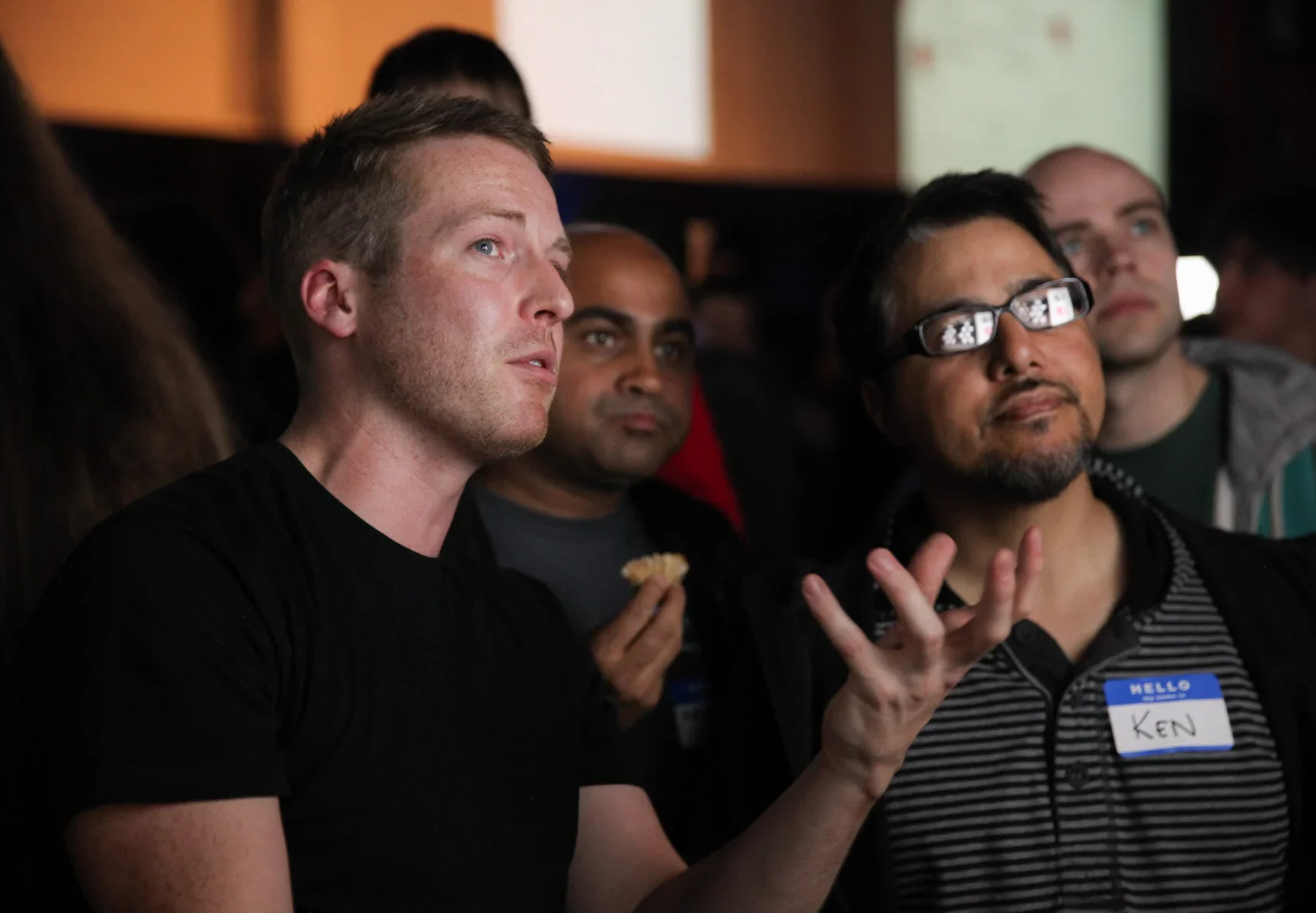
Once the goal is locked, the next reshoot-preventer is the shot backbone. This is not a massive shot list. It’s the minimum set of shots that makes the story work even if the day runs long.
A strong backbone usually has:
A clean opening shot that instantly sets context
One main talking clip with two or three usable soundbites
Proof visuals that match the claim being made
Closing visuals that support the call to action
Here’s a simple way to keep it practical:
Start with the hardest material first, usually the interview
Capture proof moments second, while energy is still high
Leave the easiest visuals, like environment shots, for later
A real example: a team filmed beautiful office B-roll all morning, then rushed the interview at the end when people were tired. The answers came out flat and the video felt weak. Flipping the order would have saved the project.
When Corporate Video Production San Francisco is planned like this, you usually walk away with a story that can be cut multiple ways without needing a second shoot.
Lock Audio And Locations
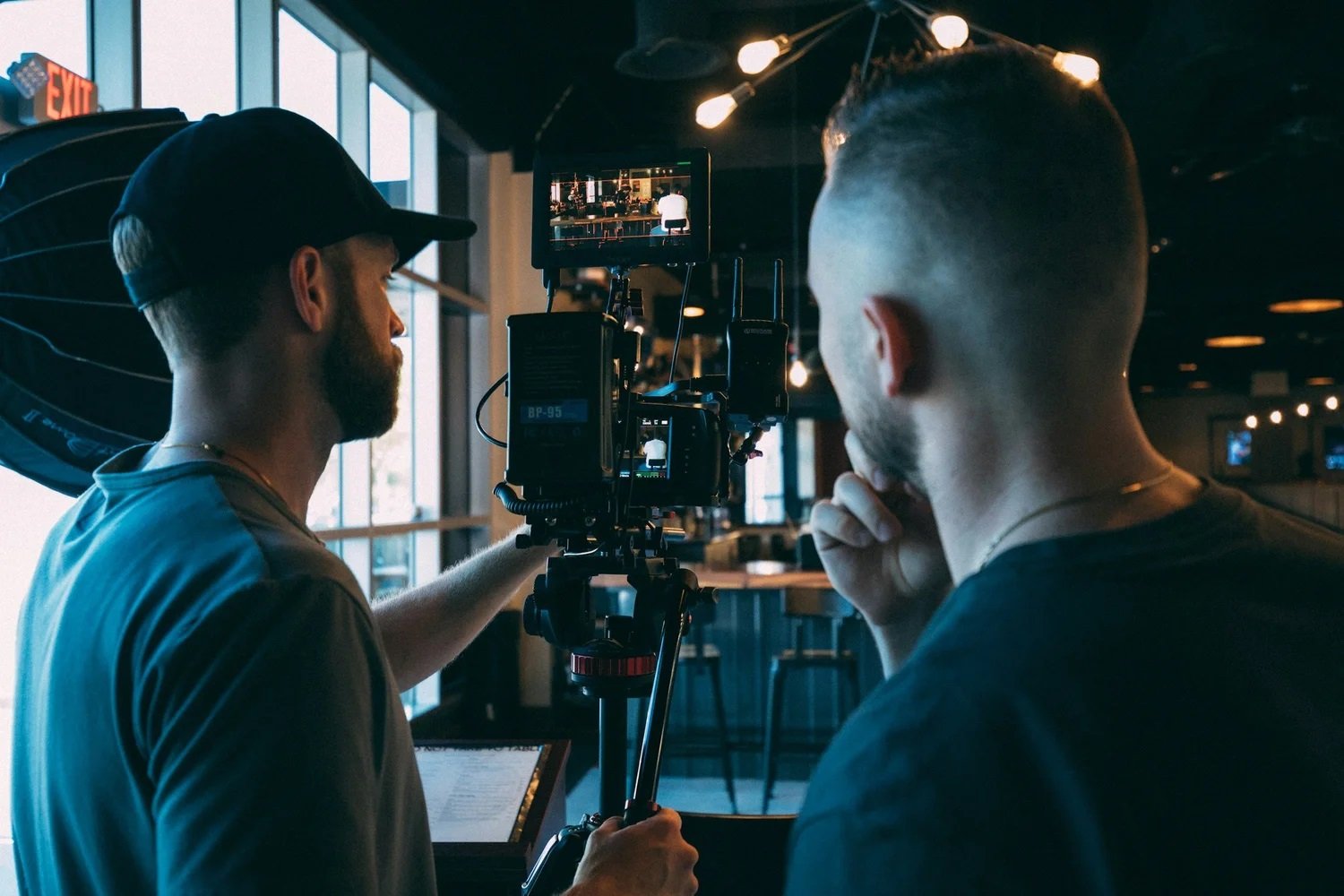
Most reshoots are really audio reshoots. If a key line is muffled, echoing, or buried under HVAC noise, you may not be able to “fix it in post” without it sounding strange. The quiet planning step here is choosing the right corner, testing sound quickly, and committing to a location plan.
Before filming, confirm:
The quietest room available for interview lines
A backup spot if a meeting starts or noise shifts
Where the sun hits windows at the filming time
Which spaces look clean on camera without rearranging the office
A real-world example: a team filmed next to a glass wall because it looked modern. The reflections were distracting and the room sounded hollow. Ten feet away, the same shot looked cleaner and sounded better. A two-minute test would have prevented hours of fixing later.
This is also where a Videographer For Business earns their value, because they’re watching for the practical issues that don’t show up until editing.
Plan Outputs And Formats
Even strong footage can fail if it’s captured for the wrong destination. A website hero clip needs breathing room and clean framing. LinkedIn clips need clarity fast. Vertical edits need space above heads. The quiet step is deciding outputs before the camera rolls.
A practical output plan might include:
One main horizontal edit for a website or landing page
Two short cuts for LinkedIn or email outreach
One vertical cut for reels or paid social
A small but powerful safeguard is building a pre shoot approval checklist for corporate video that confirms: the opening message, the must-have proof shot, the brand tone, the correct logo placement, and the final deliverable sizes. When those boxes are checked early, you rarely hear “Can we redo it?” later.
This is why teams choosing a Video Production Company San Francisco can rely on should ask about deliverables upfront, not after the edit is already underway.
Coordinate People And Approvals
Reshoots often happen because the right person wasn’t on set, or because approvals are unclear. If a leader changes wording after filming, you may need to record new lines. If legal wants a disclaimer added, you may need a new shot to support it. The quiet step is getting approvals aligned before filming, not after.
To prevent that, confirm:
Who owns the final “yes” on messaging
Who gives brand compliance feedback
Whether legal or HR must review anything
What cannot be shown on camera
A real example: a company filmed a customer support screen. Later, privacy concerns forced them to remove the best section. A quick pre-check would have redirected the shots to safer visuals.
If you want extra protection, how to plan backup shots for business video can be as simple as filming one additional angle of the same action and one neutral cutaway for every key statement. Those small extras save edits when approvals change.
Make The First Cut Easy
The goal of planning isn’t to control creativity. It’s to make the first cut easy and usable. When the story is clear, proof is captured, audio is clean, and approvals are lined up, you can launch without the stress of “we need to redo this.” That’s the difference between a one-day shoot that fuels weeks of content and a shoot that turns into a second booking.
And at Slava Blazer Photography, our team approaches San Francisco Video Production with that calm, alignment-first process. We plan the must-have shots, capture proof that matches the message, keep audio clean, and structure the day so the edit has what it needs. For Corporate Video Production San Francisco, we also help teams map deliverables to real destinations so the final cuts feel natural on websites, LinkedIn, and recruiting pages. If you want a shoot that stays efficient and avoids reshoot headaches, reach out for a quick quote and a clear filming plan.
Frequently Asked Questions
What is the most common reason a reshoot happens?
Reshoots usually happen because the goal was unclear or a must-have shot was missed. When teams align purpose, proof, and approvals before filming, the edit stays focused and usable.How long should planning take before filming?
For most business shoots, one focused planning call plus a short written plan is enough. The key is locking deliverables, must-have shots, and the approval process before shoot day.Can a reshoot be avoided if audio is bad?
Sometimes, but not always. Light noise can be cleaned, but echo and HVAC rumble often ruin key lines. A quick audio test in the quietest room prevents that risk.What should be on the shoot day shot list?
Include the opening context shot, the main interview soundbites, proof visuals, and simple cutaways that match the message. If those are captured, most edits can be finished cleanly.How do you keep feedback from turning into endless changes?
Set one approval owner and a deadline, then collect notes in one round. When feedback is structured and specific, the edit stays efficient and the project avoids late-stage rewrites.
