Corporate Headshots San Francisco: What to Plan before Photographing Your Whole Team

Planning Corporate Headshots, San Francisco companies can actually use well starts long before the camera comes out. A team headshot day is not really just a photo booking; it’s more like a brand consistency project mixed with an operations exercise, and it’s often the very first impression asset for websites, proposals, LinkedIn profiles, press features, email signatures, and recruiting materials. If the planning is even a bit weak, the final gallery can end up feeling a little inconsistent, even if the photography itself is technically strong.
Before photographing the whole team, it helps to lock down the image style, background approach, wardrobe expectations, the scheduling flow, file usage, and also whether the shoot needs to serve one department or cover multiple office roles. The best team headshot sessions usually look organized, visually uniform, and simple for employees to move through. That level of polish doesn’t usually happen by luck; it comes from preparation, plus a few careful choices along the way.
Choose the Right Photographer

A team session requires a photographer who can manage volume, maintain consistency, and move people efficiently without making the process feel rushed. That is kind of different from just photographing a single executive or one actor. A company really needs somebody who can keep lighting steady, move the process along fast, and deliver image files that line up the same way across many faces, plus busy calendars.
A good business Headshot Photographer should get image quality and day-to-day workflow. This means doing repeatable framing, adjusting for different heights and small body positions, and still making the session feel calm for employees who maybe don’t particularly enjoy being photographed. In a lot of offices, the photographer also has to work around meetings, hybrid attendance, tight time windows, and folks who want everything wrapped up in under ten minutes.
This is why team experience matters. A photographer can be talented with individuals and still struggle with larger organizational shoots if they do not understand pace, consistency, and corporate logistics.
Set Style before Shooting
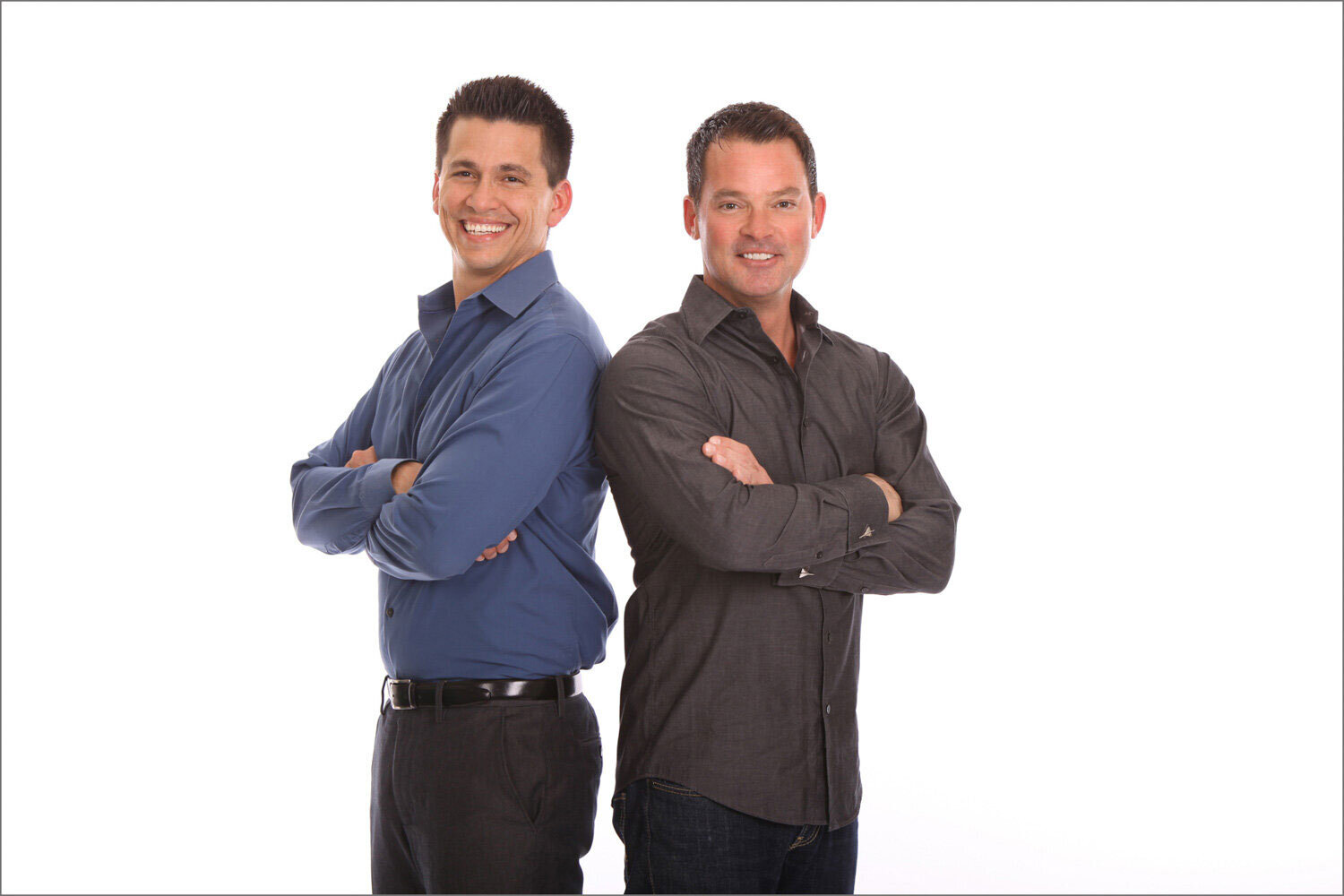
A common mistake is leaving the visual direction undecided until the shoot day. By then, small differences in outfit tone, posture, background choice, and expression can turn into a gallery that feels uneven. Companies should set the look in advance.
That planning should cover:
• Background style
• Studio or office location
• Crop format
• lighting direction
• retouching expectations
• Wardrobe guidance
• smile level and expression tone
For example, if one employee arrives in a bright, patterned shirt while everyone else wears clean, solid neutrals, the visual consistency drops immediately. If one group is shot against a wall and another near a window without planning, the final set may feel disconnected. This is one reason Headshots SF businesses use successfully; they often look simple on the surface, but are clearly well-structured behind the scenes. A short planning document sent before the session can prevent many of these problems.
Plan Team Logistics Early
Even a short headshot day can become chaotic if the company has not planned timing properly. Teams should decide who is being photographed, in what order, at what location, and whether makeup touch-ups, wardrobe adjustments, or leadership priority slots need to be built into the schedule.
This matters even more when photographing an entire team across departments. A startup may only need one half-day session for twelve people, while a larger firm may need staggered scheduling for fifty employees across multiple functions. In both cases, clarity saves time.
A practical team plan usually includes:
• Final participant list
• Arrival and time-slot order
• Backup timing for late staff
• Wardrobe reminder before the shoot
• Selected space prepared in advance
• One contact person to keep the flow moving
Without that structure, even a skilled photographer spends too much time resetting the session around avoidable confusion instead of creating clean, professional images.
What Should Companies Ask?
Many teams naturally ask, who offers professional corporate headshots in San Francisco? The better question is which photographer can create consistent team images that match the company’s visual identity and operational reality. That means companies should ask about both style and process before booking.
Useful questions include:
• How is team consistency maintained?
• Can the setup be repeated for future hires?
• How many people can be photographed in one session?
• What file delivery format is included?
• How much retouching is standard?
• Can the session happen on-site?
These questions reveal whether the photographer is thinking like a portrait artist only or like a real corporate image partner. A company does not just need flattering photos. It needs a system that can scale as the team grows, changes roles, and updates public-facing materials.
Think Beyond the Website
Team headshots are not only for the about page. They often appear in decks, media kits, speaker bios, investor documents, internal directories, newsletters, recruiting pages, CRM platforms, conference materials, and social media profiles. That means the company should plan usage before the session, not after delivery.
A strong set of Headshot photographers San Francisco businesses choose should produce images that work across multiple platforms without requiring constant re-editing. Cropping style, negative space, orientation, and file format all affect whether the images remain useful later. A tightly cropped photo may work well on LinkedIn, while a slightly looser frame may be more useful for website layouts or PR mentions.
This is also where crossover needs can appear. Some executives may need a more polished branding image for speaking engagements or media use, while the broader team needs a more standardized corporate look. Planning that distinction in advance prevents confusion once the files arrive.
How Will the Images Age?

The best team headshot strategy is one that stays usable beyond one launch cycle. Companies change, staffs members join or leave, titles shift, and teams grow. A good headshot system should make it easier to photograph future hires in a way that still matches the existing gallery.
That is why Corporate Headshots San Francisco companies invest in should not be judged only on one successful session day. The smarter question is whether the visual setup can be replicated later without rebuilding the entire look from scratch. A repeatable lighting setup, consistent backdrop choice, and clear styling rules make future updates far easier.
At Slava Blazer Photography, our team focuses on polished team headshot sessions that are built for consistency, efficiency, and long-term professional use across San Francisco and the Bay Area. Our professionals work to create organized, brand-aware image sets that help companies present their people with clarity and confidence.
Frequently Asked Questions:
How many employees can be photographed in one corporate headshot session?
That depends on the setup, schedule, and level of image variation required. Smaller teams may be completed in a few hours, while larger groups often need structured time slots or multiple shooting windows.Should corporate headshots be taken in the office or in a studio?
Either can work well. Office sessions are often more efficient for teams, while studio sessions can offer tighter environmental control. The better option depends on brand style, convenience, and team size.What should employees wear for team headshots?
Most teams benefit from coordinated guidance rather than identical outfits. Solid colors, clean fits, and low-distraction styling usually photograph best and help the final gallery feel more consistent.Can companies reuse the same look for future hires?
Yes, and they usually should. A repeatable setup makes it easier to add new employees later without making the team page look visually inconsistent.Why do team headshots need planning in advance?
Because consistency does not happen automatically, background, lighting, wardrobe, scheduling, and file use all affect whether the final images look organized and usable across company materials.
