What Businesses Should Review Before Hiring a Video Production Company in San Francisco?
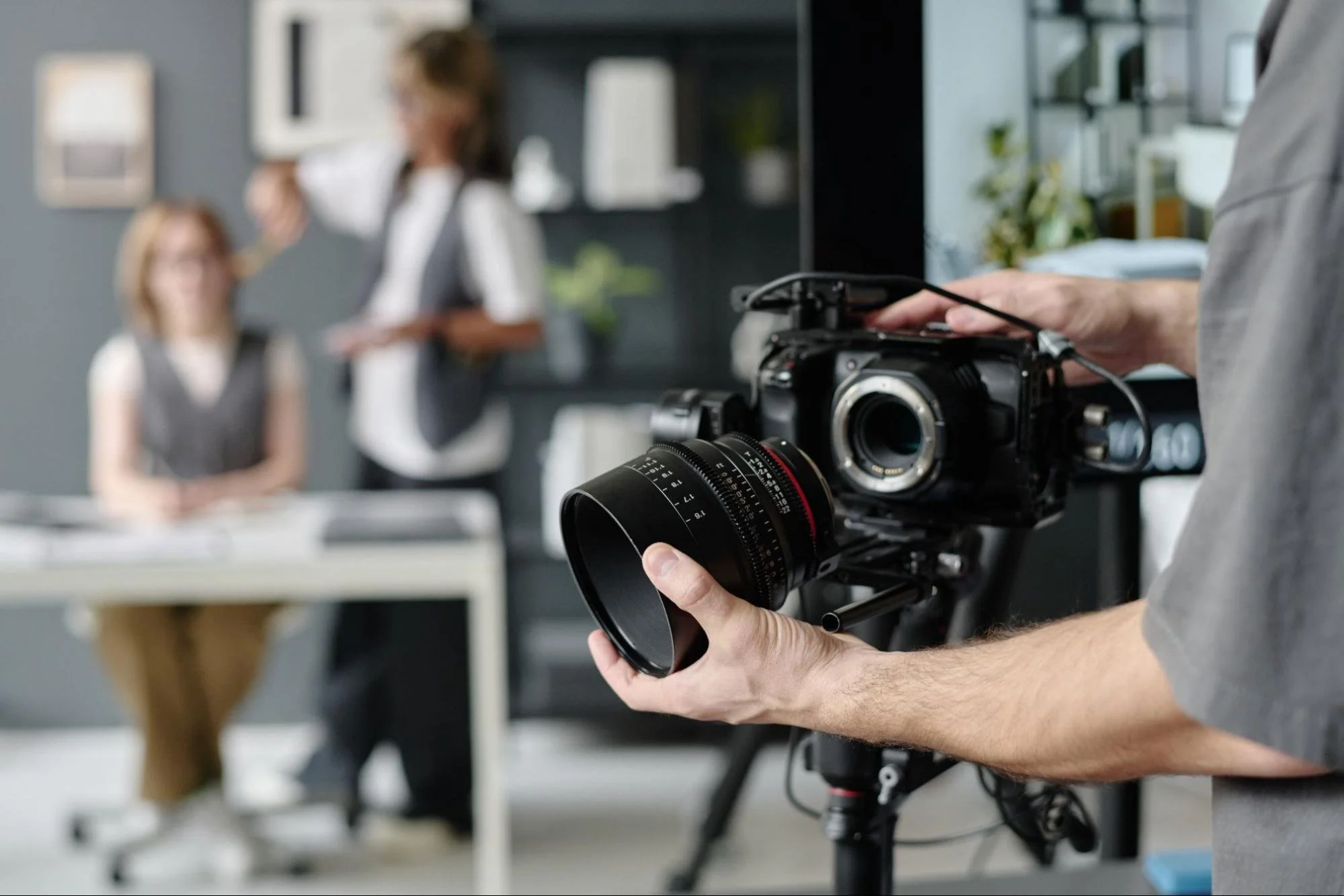
Choosing the right video production company for San Franciscobusinesses that can genuinely rely on them is not only about picking a crew with strong equipment. It is also about finding a group that actually understands your brand message, turns it into something coherent, and then makes content that lands where the business really needs it most. A solid company video might show up on a website homepage, in a sales presentation, on LinkedIn, during paid campaigns, at a conference booth, or even on a recruiting page. So honestly, the production choice carries more weight than many businesses initially assume.
A polished video that has no strategy behind it usually underperforms. Meanwhile, a well planned video can build credibility, increase recall, and help a company seem more established and easier to get. In this blog, we’ll go over what businesses should examine before hiring a video production team, so the final content feels more useful, more strategic, and more connected to real brand goals.
Start With Business Purpose
Before comparing vendors, a business should first define what the video needs to achieve. Some companies need a short homepage brand introduction. Some people need an explainer, a recruiting video, a founder message, an interview series, an event recap, or a customer success story. And if that whole thing is kind of vague, the final result gets really visually polished but, also kind of commercially weak, you know.
A company launching a software product may need something concise and clarity-driven that untangles the technical offering. A law office might want a calm, trust-building video that brings in the team and makes the firm feel more approachable. A startup trying to raise attention may need a brand-led narrative that covers mission and momentum, too.
Usually, the clearest production choices come together when the company knows what the audience should understand, feel, or do after they watch. That business purpose, it should steer everything else that follows.
Review Portfolio for Fit
A portfolio should be judged for relevance, not just for the looks or that slick style vibe, because pretty footage alone really doesn’t prove the team actually understands business communication, kind of in the practical sense. A solid portfolio tends to include work that feels clear and commercially useful, plus something that can be adjusted for different industries, not only repeated, over and over, like it’s all the same cookie-cutter thing.
When you review San Francisco video productionwork, businesses should ask if the videos communicate well, not only if they look pricey. Do the videos feel organized? Does the pacing line up with what the message is trying to land, and not just whatever editing trend showed up this week? Also, can the team cover different industries without pushing every client into the same visual recipe, like a template that never changes, even a little?
For example, a healthcare brand, a real estate firm, and a startup each need a distinct storytelling tone and rhythm. If every piece in the portfolio looks visually the same, then the team might be better at style than at strategy, and that's just not enough. The strongest production partners usually demonstrate both technical skill and that message flexibility that keeps working across audiences, situations, and goals, not only one type of scene or one kind of audience.
Understand the Production Process
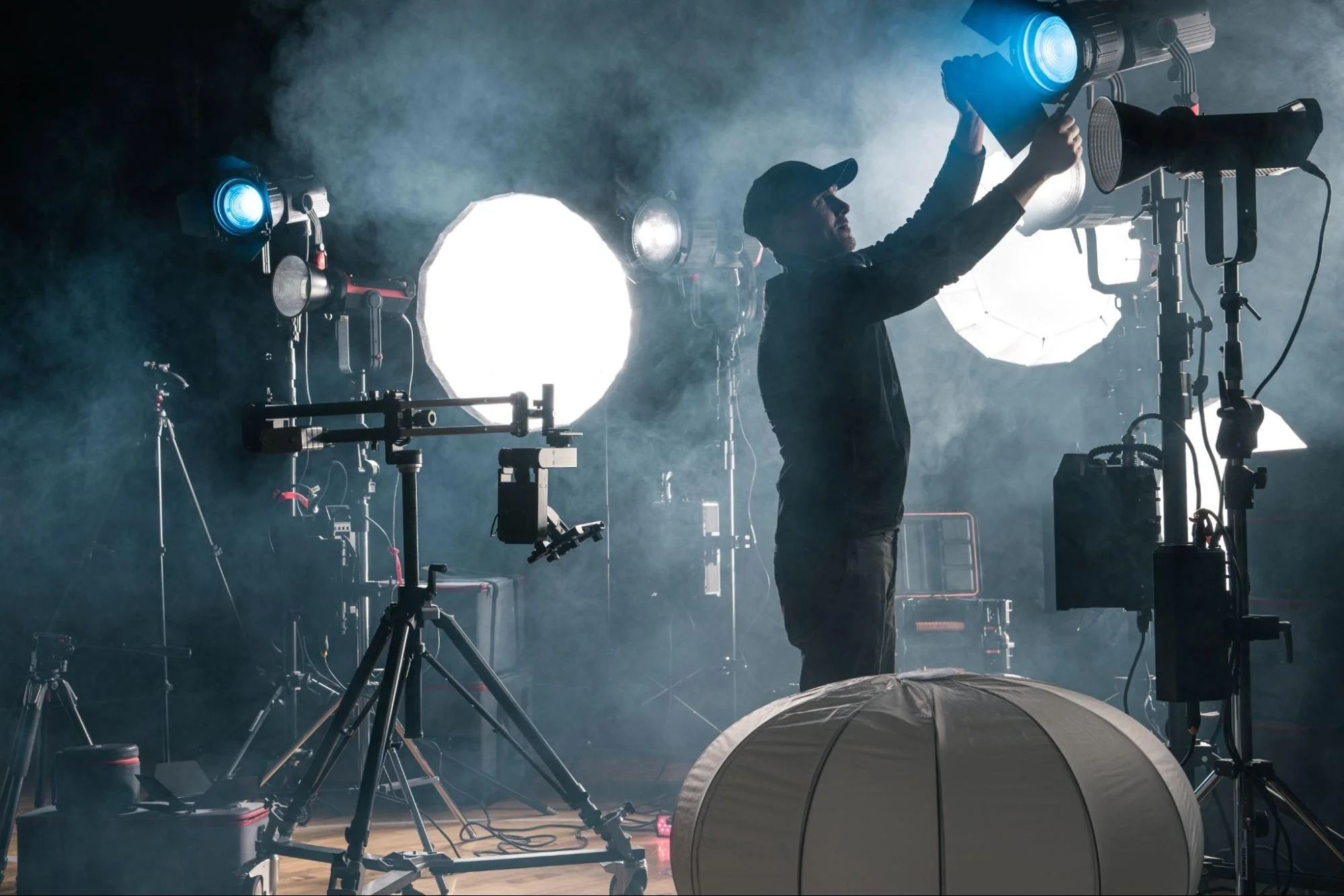
One of the most important differences between an average vendor and a strong production partner is process. Good videos are usually built through planning, not improvisation. Businesses should ask how discovery, scripting, pre-production, filming, editing, review rounds, and delivery are handled.
A dependable production team should be able to explain its workflow clearly. That includes how it learns about the brand, how it shapes the story, how it prepares for the filming day, and how the edit is refined afterward.
Helpful questions often include:
• How goals are discussed before production
• Whether scripting or interview prep is included
• How many filming days are expected?
• How revisions are handled
• What the delivery timeline looks like
• Whether shorter edits can be created from the main piece
A structured process reduces confusion and gives the business a better chance of receiving content that actually supports its communication needs.
Choose Style with Intention
Different businesses need different video formats. Some benefit from a clean interview-led structure. Others need a more energetic mix of b-roll, team footage, product visuals, and voiceover. The right style depends on the audience, message, and final usage.
This is where video production in San Francisco should be viewed as a strategic choice rather than a generic service. A founder-led company may need direct, confident messaging from leadership. A hospitality or lifestyle brand may need stronger visual storytelling with less talking. A B2B service provider may need a more measured format that turns a complex offer into something easier to follow.
For example, a professional services business may gain more from a concise leadership interview with office visuals than from a heavily stylized concept piece. Good creative decisions are not about making everything cinematic. They are about making the business easier to understand and trust.
Ask the Right Questions
Many companies naturally ask what to look for in a San Francisco video production team?The most useful answer is that they should look for clarity, process, strategic thinking, and evidence that the team understands how businesses actually use video after production ends.
Before hiring, businesses should ask:
• Who the video is really for
• What problem the video is solving
• Where it will be published
• Whether the content should be long-form or cut into shorter assets
• What support is included before filming?
• How the team handles messaging if the brand is still refining its ideas
These questions often reveal whether the production company is thinking beyond shoot day. A business rarely needs only footage. It needs communication tools.
Think Beyond One Video

A strong video project should not be planned as a single isolated asset unless there is a very narrow use case. In many situations, it is smarter to think in terms of a content package: one core film supported by shorter edits, vertical versions, interview segments, or social cut-downs.
This is one reason a capable videographer in San Francisco businesses hire should understand content flexibility. A two-minute brand film may be useful on a homepage, but the same shoot may also provide short clips for paid ads, email campaigns, recruiting pages, conference screens, or LinkedIn.
For example, a company filming founder interviews and office footage can often create far more value by planning multiple deliverables from the same production day. That makes the investment more useful and the final content library more practical.
Regional Reach Also Matters
Many companies based in San Francisco operate beyond city limits. They may have teams, clients, or event activity across the Peninsula, Silicon Valley, and the wider Bay Area. That is why regional familiarity can matter in production planning.
A team that understands nearby business environments may be better equipped to handle multi-location schedules, office-based filming, interviews in live work environments, or content that needs to reflect a broader regional presence. This matters when a company wants its video to feel grounded in the market it actually serves.
For example, a Bay Area business with leadership in San Francisco and operations in San Jose may need a production partner who can work smoothly across both settings without making the project feel fragmented. Local understanding often improves both logistics and the credibility of the final story.
What Makes the Right Choice?
The best production company is often not the one with the most dramatic reel or whatever. Instead, it’s the one that can kind of translate business aims into a clear, credible, and commercially useful video, not just look nice. That usually means getting the message, audience, process, and style, and then also the final usage, in one go, without losing the thread.
A good brand video shouldn’t try to say everything at once. It should say the right things, clearly, with visuals that back the point, not accidentally compete with it. When a production partner really gets that, the last video stops being only a content piece. It turns into a practical business tool, more value in the real world, not just the premiere.
At Slava Blazer Photography, our team leans into video work that helps businesses communicate with more clarity, stronger visual confidence, and better day-to-day usability across San Francisco and the wider Bay Area. Our professionals help craft business video content that feels refined, intentional, and easier to deploy across websites, campaigns, and brand communication.
Frequently Asked Questions:
What should a business decide before hiring a video production company
A business should decide the goal first, like why the video exists, who is going to watch it, and the setting where the finished content will be used. That kind of thinking makes a more solid groundwork for the whole production process, even if it feels a bit slow at the beginning.Why does portfolio relevance matter more than visual style alone?
Because a video that looks good on the surface is not always the most strategically valuable, the portfolio needs to prove message clarity, an understanding of who the audience is, and ideas that are commercially feasible. In other words it’s less about the visuals and more about how useful the content actually feels.What should be included in a production process?
A good process usually includes discovery, message planning, scripting or interview guidance if needed, scheduling, filming, editing, and revision rounds.Can one video project produce multiple useful assets?
Yes. A well-planned production day can often create a main brand film along with shorter clips for websites, social media, recruiting pages, and campaigns.Why is local or regional experience useful in business video production
Local experience can improve scheduling, location handling, and story relevance, especially for companies that operate across San Francisco and the wider Bay Area.
