KEY POINTS:
Set one clear message before filming begins.
Choose speakers who bring different useful viewpoints.
Share simple talking points before the shoot.
Help speakers feel comfortable with the filming process.
Plan interview order to keep the day organized.
Keep clothing, backgrounds, and framing visually connected.
Avoid repeated answers across different departments.
Make every speaker support the same overall business story.
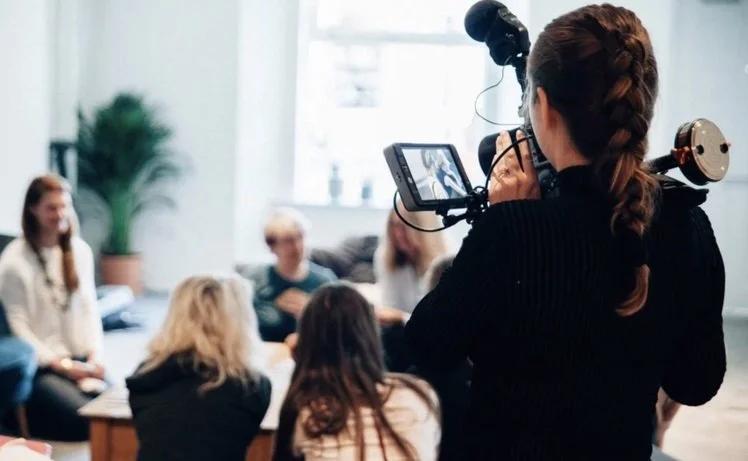
If you are filming multiple people for one business video, it can easily get confusing if each speaker has a different idea of what to say. Good preparation helps keep the message clear, without making each person sound scripted. If you’re looking to create a corporate video in San Francisco, businesses should decide what the primary goal is, choose the proper speakers, provide clear talking points, arrange the order of interviews, explain the filming process, and allow enough time for preparation. These steps help each person bring a different point of view, but still support the same business message. They can also ease the filming process because speakers know what is expected of them before they arrive. This is especially helpful for company profiles, leadership interviews, service videos, recruitment content, and customer education. In this blog, we will go over 7 practical ways to get multiple speakers ready before you start filming.
Set One Clear Message
The first step is to decide what you want the finished video to say. In any group discussion, each person will have their own department, their own experience, and their own priorities to consider. Without a core message, the last video could seem like a set of individual interviews rather than one clear story. Get the main idea in a sentence or two, simple sentences, before you shoot. Not all are required to repeat those words. They just have to know what the audience should take away by the end.
A technology company, for example, might want a video that shows how its teams support customers from the first consultation through to ongoing service. The sales manager can talk about the initial chats, an operations lead can talk about delivery, and a customer support manager can talk about long-term help. They all present the same message, but each person talks about a different area. This simple step gives a videographer for business a better basis for planning questions and connecting interviews in editing.
Give Every Speaker Purpose
Not everyone in the company needs to appear simply because they hold a senior role. The second step is deciding what each person can add that another speaker cannot. A strong multi-speaker video usually works better when every interview has a clear purpose. One person may explain the company vision. Another may describe how a service works. Someone closer to day-to-day customer work may offer a more practical point of view. Ask these questions before choosing speakers:
What does this person know particularly well?
Which part of the story can they explain naturally?
Will their comments add something new?
Does the audience need to hear directly from them?
Are two speakers likely to say almost the same thing?
This is especially useful in corporate interview video production, where repetition can make the finished piece feel slow. A company does not always need seven people to explain seven ideas. Sometimes three well-chosen speakers can communicate the message more clearly.
Share Talking Points Early

The third step is giving speakers enough guidance before filming day.
This does not mean sending everyone a long script to memorize. In fact, memorized answers can often sound stiff. A simple outline is usually more useful. Give each person a short list of topics they may be asked about. This allows them to think about useful examples, names, facts, or experiences ahead of time. For example, a department leader might receive points such as:
Their role in the company
The problem their team helps solve
How their process works
What customers often ask about
One example that explains the service clearly
With Bay Area Video Production planning, these notes can also help identify overlap before filming. If three people are preparing the same answer, their topics can be adjusted early. The aim is preparation, not rehearsal. Speakers should know the subject well enough to respond naturally in their own words.
How Should Speakers Prepare?
The fourth step is helping people feel comfortable with the filming process itself. Many business professionals are confident in meetings but become nervous when a camera is pointed at them. A short explanation beforehand can remove much of that pressure. Tell speakers how the interview will work. They should know whether they will speak directly to the camera or answer someone positioned beside it. Explain that answers can usually be repeated if needed and that pauses are normal.
It also helps to give simple advice:
Listen to the full question before answering.
Speak in complete thoughts where possible.
Avoid rushing through important points.
Use normal business language.
Pause and restart if an answer becomes unclear.
Do not try to memorize every sentence.
For a corporate video in San Francisco, natural answers are often more useful than perfect performances. A speaker who understands the topic and feels comfortable can usually communicate more clearly than someone trying to remember a prepared paragraph word for word.
Plan the Interview Order
The fifth step is deciding who should be filmed first and how the schedule should work. Interview order can affect both time and speaker comfort. Some people may have limited availability. Others may benefit from watching the process before their turn. For example, if a chief executive has only thirty minutes available, that interview may need to happen first. Department employees with more flexible schedules can be filmed later.
It can also help to group people who will use the same setting. Moving cameras, lights, and sound equipment between rooms after every interview can slow down the day.
For larger Video Production In San Francisco projects, the schedule may include:
Speaker arrival times
Interview slots
Clothing or appearance checks
Room preparation
Short breaks
Time for additional answers
Changes between locations
Good scheduling also protects the interviews from feeling rushed. If one conversation runs longer than expected, there should be enough space in the day to manage it without putting pressure on the next speaker.
Keep Visual Details Connected
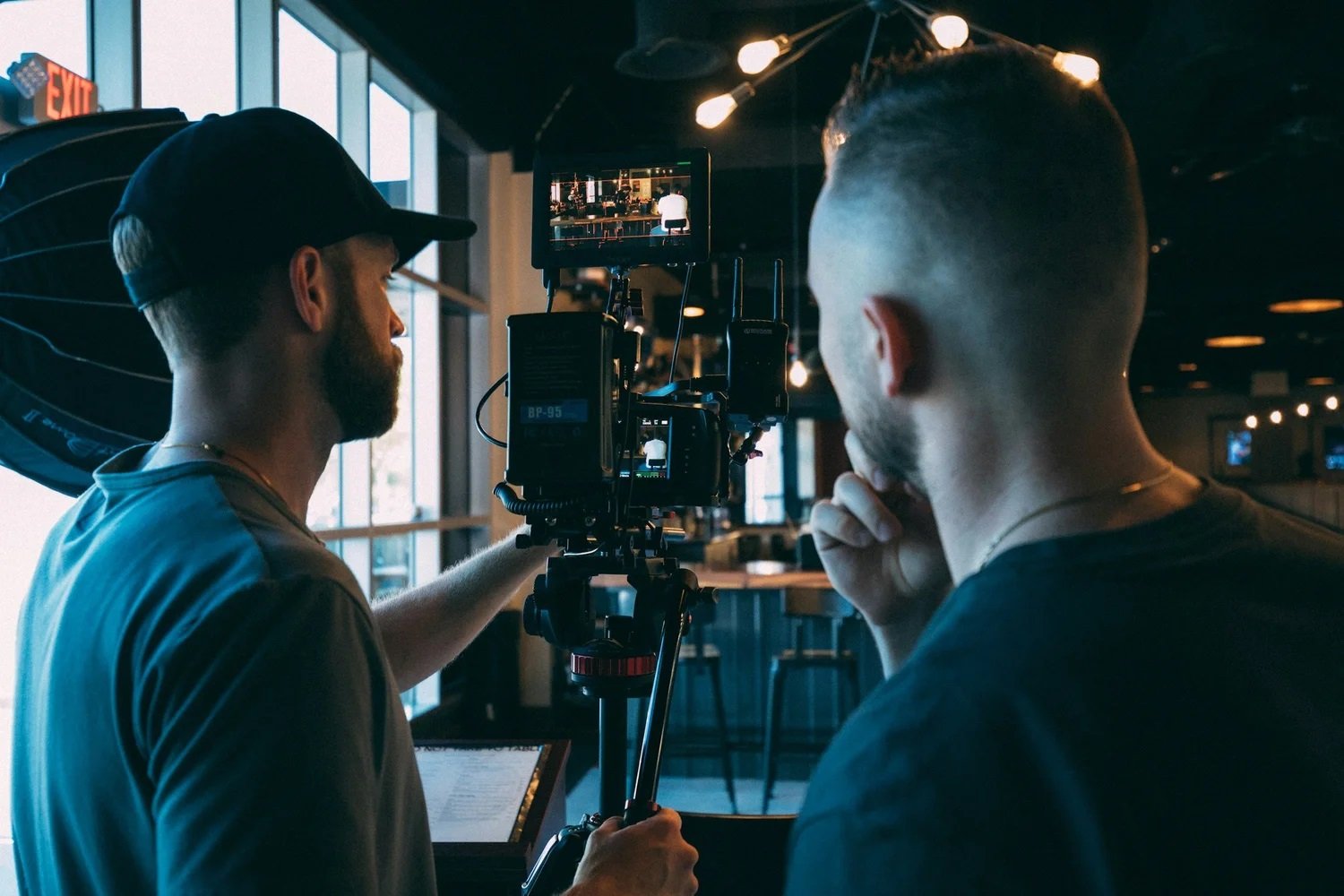
The sixth step is thinking about how the speakers will look together once the interviews are edited into one video. Their clothing does not need to match. Their backgrounds do not have to be identical either. However, the overall visual style should make sense. A finance company may want a clean and polished look throughout. A creative agency may prefer a more relaxed office setting. A manufacturing business could interview employees in different work areas while keeping lighting and framing connected.
Discuss basic guidance before filming, including:
Clothing formality
Colors that work well on camera
Whether company logos should appear
Suitable interview locations
Background distractions
Items that should remain out of view
These details help a corporate video in San Francisco feel like one production even when several people are filmed in different rooms.
Visual consistency is especially useful when the final content will appear on a company website, sales page, recruitment section, presentation, or professional social channel.
Bring Every Voice Together
The seventh step is making sure every speaker understands how their contribution supports the final video. A multi-speaker production works best when people bring their own knowledge and personality without pulling the message in different directions. Clear goals, carefully chosen speakers, early talking points, simple camera guidance, sensible scheduling, and connected visual choices can make filming easier while giving the editor stronger material to work with.
At Slava Blazer Photography, our team plans business interviews around the people as much as the camera. We help companies prepare speakers, organize filming, and create a clear structure before production begins. Our professionals aim to keep interviews natural while ensuring each voice adds something useful to the wider story. Whether the video is intended for a company website, customer education, recruitment, presentations, or marketing, we focus on making the production organized, polished, and easy for speakers to take part in.
Bringing several voices into one business story? Plan your speaker interviews so every person adds a clear, distinct perspective without losing the message.
Frequently Asked Questions
Should business speakers memorize their interview answers?
Usually not. Clear talking points are often more useful than memorized scripts because speakers can prepare their ideas while still answering questions in a natural and believable way.How many people should appear in a corporate interview video?
There is no fixed number. Choose speakers who add different information or viewpoints. Including too many people can create repetition if several interviews cover the same ideas.What should speakers receive before filming day?
Speakers can receive the video purpose, their main discussion topics, basic clothing guidance, filming time, location details, and a simple explanation of how the interview will work.Can employees from different departments appear together?
Yes. Different departments can add useful perspectives when each person has a clear role in the story, and their comments support the same main business message.Where can multi-speaker corporate videos be used?
They can support company websites, service pages, recruitment materials, internal communication, presentations, customer education, professional social channels, and other business marketing or information needs.
