Bay Area Event Photography: How to Plan Coverage That Supports Business Marketing
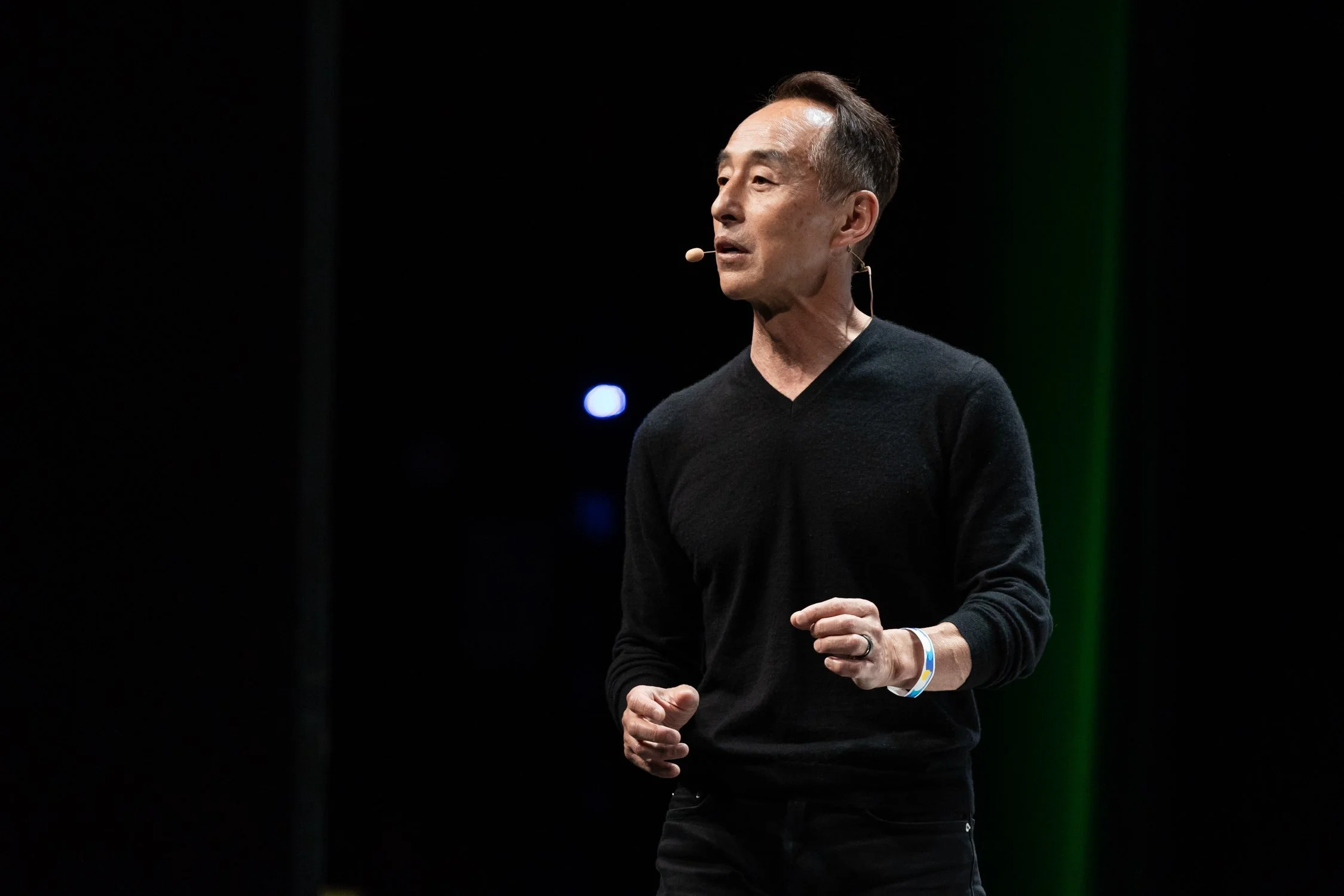
Strong Bay Area event photography isn't just about snagging a room full of people, plus a handful of stage moments. It’s also about planning visual coverage that can keep working, long after the event is done. For businesses, event photos often drift into marketing use cases, brand visibility, public relations, recruiting, sponsor reporting, website updates, and then the next round of promotion, too. So really, the photography should be treated like a business asset, not merely a simple record, or like “we needed proof we were there”.
If the planning is shaky, the final gallery can look lively and busy, but still miss the whole point of real communication goals. When the planning is clear, the event can turn out images that feel refined, trustworthy, and genuinely commercially useful across multiple channels. In this blog, we’ll dig into how to plan event coverage that backs stronger business marketing and keeps creating extra value after the event is over.
Start With Marketing Purpose
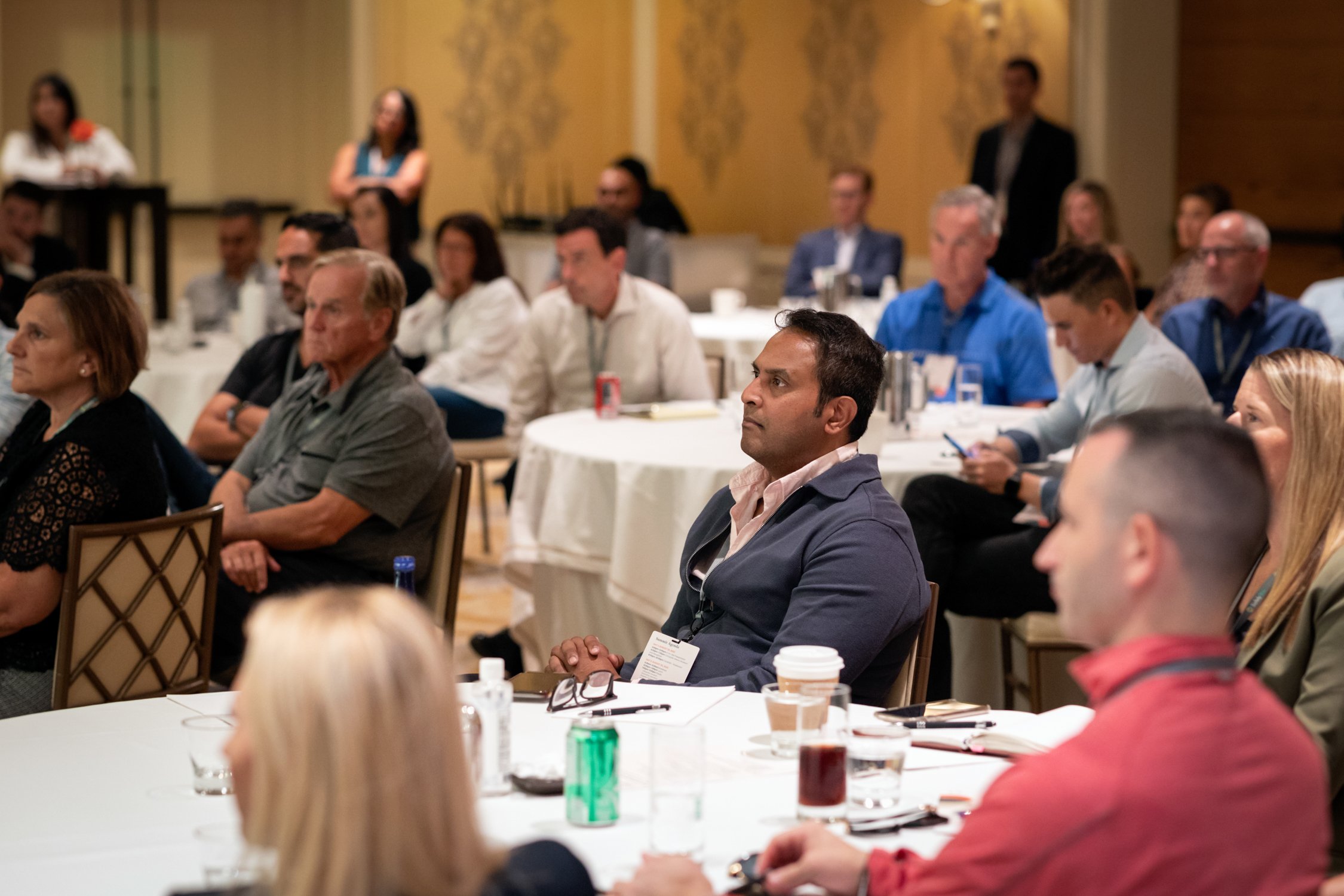
The first step is defining what the event photography needs to do after the event. Some businesses need brand visibility for social media and website recaps. Others might really need those sponsor-friendly images, executive speaking shots, audience engagement moments, or polished visuals, so we can use them later for future event promotion. But without a clear purpose, it tends to turn into reactive photography instead of something more deliberate and strategic.
Like a conference, for example, often calls for strong stage coverage, networking scenes, branded signage, and those wide room images that clearly show turnout. A client appreciation event may need more interpersonal moments, hospitality details, and guest interaction. A product launch may require closer attention to the product itself, the founder's presence, and audience reaction. This is why the strongest event planning begins with communication goals, not only event logistics. When the purpose is defined clearly, the final images are easier to use in meaningful ways.
Define What Must Matter

Not every event moment carries the same value. Businesses should decide in advance what absolutely needs to be captured and what is secondary. That creates a better shot list and prevents important moments from being missed while less useful moments take too much attention.
Helpful priorities often include:
• Keynote or speaker moments
• Audience engagement
• branded signage and sponsor visibility
• Guest networking
• Executive attendance
• Venue atmosphere
• Product interaction or demonstration
For example, a startup panel event may need clean speaker images for LinkedIn and media use, while a nonprofit fundraiser may need sponsor tables, donor engagement, and emotional interaction that supports later reporting. A company celebration may prioritize team culture and leadership presence more than wide crowd shots. When priorities are set early, photography becomes more aligned with what the business actually needs later.
Choose the Right Coverage Style
Different business events need different visual approaches. Some require more formal, editorial-looking coverage. Others need natural candid images that make the event feel lively and accessible. The wrong style can make even a well-run event look less effective than it actually was.
That is why selecting among Bay Area event photographers should involve more than choosing someone with a camera and availability. The photographer should understand what the event is meant to communicate and how the final imagery will represent the business afterward. A polished executive panel should not be photographed the same way as a casual networking happy hour.
A product launch may need more detail shots and tighter storytelling than a broad corporate celebration. A useful event gallery usually combines structure and spontaneity. It should include planned moments, but it should also capture genuine interaction without making the whole event feel staged.
Think Beyond Event Day
One of the biggest missed opportunities in business event coverage is failing to plan for post-event use. Strong event images can support weeks or even months of marketing if they are captured with that purpose in mind. A company may use them for recap blogs, LinkedIn posts, speaker pages, newsletters, future event announcements, recruiting materials, internal communications, and sales presentations.
This is where event photography in San Francisco businesses use effectively often becomes more valuable than expected. A single event can produce a library of usable content if the photographer is briefed correctly. A founder speaking on stage may later use the image for a media bio. A client networking moment may support a website update. A branded room-wide image may help future attendees understand the quality of the event. The event may last one evening, but the visual value should not end there.
What Should Clients Ask?

A practical question many planners ask is, how can Bay Area event photography improve brand visibility? The clearest answer is that it provides visual proof of participation, professionalism, audience engagement, and real-world brand presence. Good event photography shows that the business is active, connected, and credible in its market.
Before booking, businesses should ask:
• What kinds of events the photographer covers most often
• Whether the coverage can balance candid and branded moments
• How sponsor visibility or signage is handled
• How quickly images are delivered
• Whether the final gallery is suited for marketing use
• How the photographer works in fast-moving or low-light spaces
These questions help businesses choose someone who understands not just photography, but also how event visuals function as marketing material.
Why Local Knowledge Helps
Business events across the Bay Area can vary widely in venue type, lighting conditions, crowd density, and production complexity. A hotel ballroom, startup office, rooftop event, restaurant venue, convention space, or outdoor activation all demand different shooting decisions. Familiarity with local event environments can make coverage smoother and more efficient.
This is why many companies look for an event photographer. San Francisco teams can work with them comfortably on fast-moving schedules. A local photographer may be better prepared for challenging light, tight spaces, changing timelines, and the practical realities of Bay Area business events. That local confidence can help reduce disruption during the event and improve the consistency of the final gallery.
For example, a corporate mixer in a dim venue may need a very different shooting approach from a daytime conference in a bright meeting space. Experience in both environments matters.
Better Planning Builds Better Assets
The most useful event photography usually comes from a well-briefed event, not only from strong camera work. When businesses define goals, identify priorities, communicate brand needs, and plan for post-event use, the resulting images become much more valuable. They stop being simple records and start functioning as brand assets.
That is what makes event photography worth planning carefully. The event itself may be temporary, but the images can continue working across multiple business channels long after the room is empty. Better planning creates stronger, cleaner, more commercially useful material.
At Slava Blazer Photography, our team focuses on event coverage that helps businesses turn live moments into lasting visual assets across San Francisco and the wider Bay Area. Our professionals work to create event galleries that feel polished, usable, and strategically aligned with real marketing goals.
Frequently Asked Questions:
Why should event photography be planned around marketing goals?
Because businesses often use event photos long after the event ends. Planning around marketing goals helps ensure the final gallery supports websites, social media, PR, recruiting, and future promotions.What types of business events benefit from professional photography?
Conferences, panel discussions, product launches, client mixers, nonprofit events, networking gatherings, corporate celebrations, and branded activations can all benefit from professional event coverage.What should a company tell the photographer before the event?
The Company should explain the event's purpose, key people, sponsor needs, branding priorities, must-capture moments, and how the images will be used afterward.Can one event gallery be used in different marketing channels?
Yes. A strong event gallery can support websites, LinkedIn, recap blogs, email campaigns, media kits, internal communications, and future event promotion.Why is local experience useful for Bay Area event photography?
Local experience can help a photographer work more efficiently in different venue types, lighting conditions, and event formats common across San Francisco and the wider Bay Area.
