How Actor Headshots in San Francisco Support Auditions, Agents, and Casting Platforms

KEY POINTS:
Use current headshots that match the actor’s real audition appearance.
Choose images that clearly reflect the actor’s likely casting range.
Match wardrobe, expression, lighting, and background to the intended role type.
Ask agents which looks or portfolio updates are needed before the session.
Select headshots that stay clear when viewed as small casting thumbnails.
Avoid busy backgrounds, heavy styling, and overly similar image choices.
Wear simple clothing that keeps attention on the face.
Keep grooming natural so the images remain accurate and believable.
Prepare suitable crops and file sizes for different platforms.
Update headshots when appearance or casting direction changes.
Use two or three focused looks instead of too many repetitive images.
Build a portfolio that feels current, professional, and easy to understand.
Headshots that are professional in nature provide actors with a clear, current, and believable image to use for auditions, submissions to agencies, on casting websites, and in personal portfolios. Well-planned San Francisco actor headshots can convey an actor’s natural look, professional type, and on-camera presence without the image feeling overstyled or artificial. Casting teams see a lot of profiles very quickly, so your headshot needs to say what it needs to say immediately. It has to sound like someone who will walk into the audition room and make the decision-makers see that actor in the right role. Good headshots can also help to keep agent outreach more consistent and casting profiles up to date. They don’t guarantee work, but they do help actors market themselves professionally and avoid confusion. In this blog, we’ll break down how headshots help auditions, agents, casting platforms, and portfolios, plus practical preparation before a session.
Create a Clear First Impression
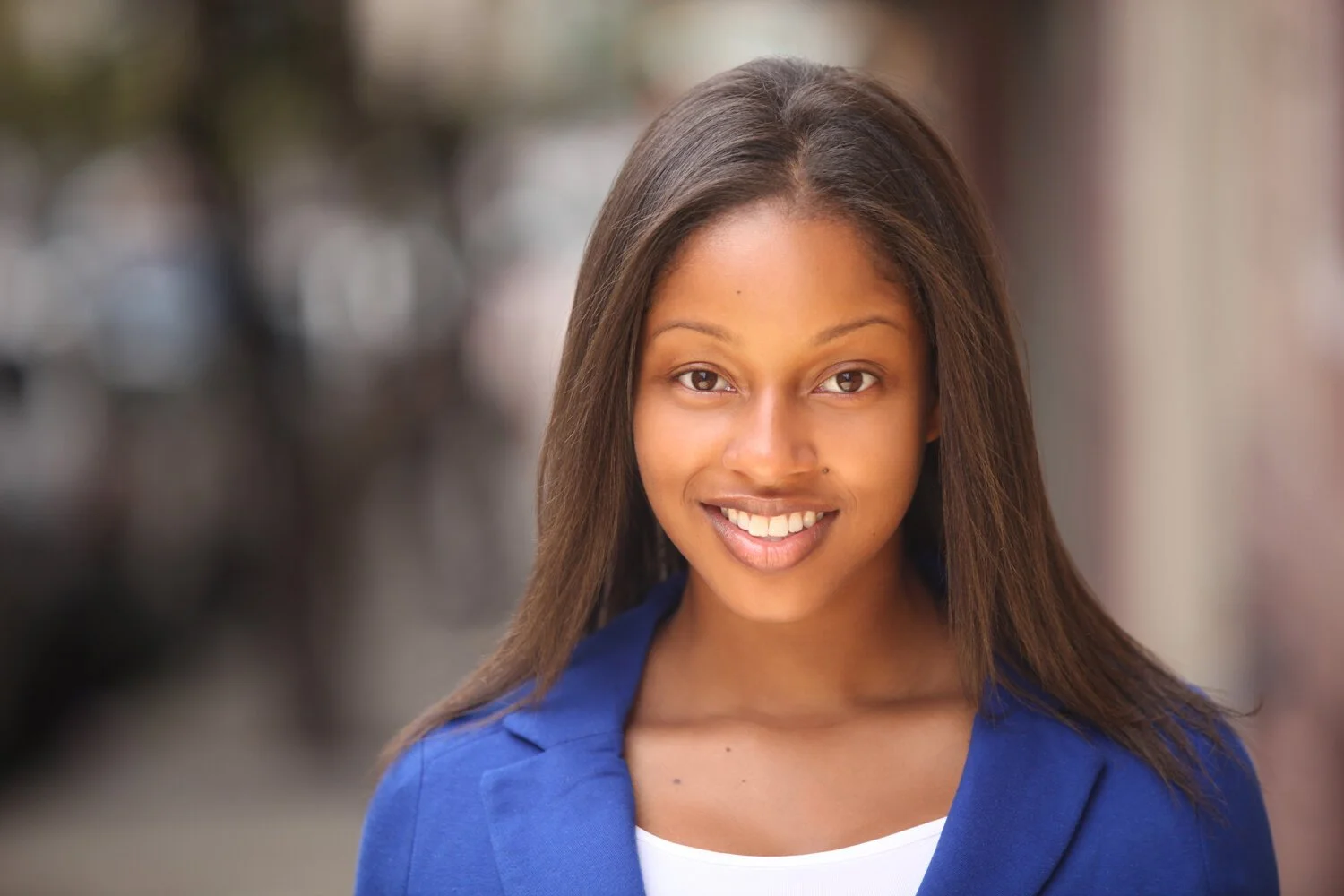
A headshot is often the first part of an actor’s profile that a casting director, agent, or producer sees. Before reading the resume or viewing the showreel, they may form an initial impression from the expression, styling, lighting, and overall tone of the image. The strongest headshots feel direct and believable. They should show the actor’s current appearance and give viewers a clear sense of personality. A warm, open expression may suit commercial work, while a more focused look may be useful for dramatic submissions.
A useful headshot should communicate:
A current and accurate appearance
Clear facial features
Natural skin texture
Confident eye contact
Suitable wardrobe choices
A professional but approachable tone
For example, an actor seeking roles in family advertising may benefit from a bright, friendly image that feels natural. An actor targeting serious television drama may need a quieter expression and more controlled lighting. The goal is not to create one image that fits every possible role. It is to create a focused set that helps casting teams understand where the actor may fit.
Match Images to Roles
Actors are rarely considered for every type of character. Age range, personality, energy, appearance, and previous experience all influence how an actor may be cast. Headshots should support that professional direction instead of sending mixed messages. A session may include different looks for different opportunities. Wardrobe, background, expression, and lighting can help separate those images while keeping each one authentic.
Common headshot styles may include:
Bright and approachable
Serious and dramatic
Professional and authoritative
Warm and trustworthy
Energetic and youthful
Calm and thoughtful
Commercial actor headshots often use open expressions, cleaner backgrounds, and a friendly tone. These images may work well for advertising, lifestyle campaigns, corporate videos, and family-focused projects. Theatrical images may use more subtle expressions and stronger mood for television, film, or stage submissions. The difference should not come from heavy styling or exaggerated emotion. Small changes in expression and body position are usually enough.
An actor who understands the kinds of roles they are pursuing can prepare more effectively and avoid leaving the session with several attractive images that all communicate the same thing.
What Do Agents Need?
Agents need headshots that they can submit confidently and use consistently across casting opportunities. The images should match the actor’s current appearance, professional positioning, and likely role range. Before the session, actors may benefit from asking their agent or manager what is missing from the current portfolio. An agent may recommend a warmer commercial look, a stronger dramatic option, or an updated image that better reflects the actor’s current hairstyle and age range.
Useful questions include:
Which roles are being targeted most often?
Is a commercial or theatrical look needed?
Does the current headshot still look accurate?
Are different wardrobe options required?
Which expressions are missing from the portfolio?
What image format does the agency prefer?
Agents also need consistency. If the headshot presents the actor as polished and confident but the audition appearance is very different, trust may be affected. This is why current, realistic images matter. Experienced Headshot Photographers in San Francisco should be able to translate this feedback into practical decisions about lighting, expression, framing, and wardrobe. The photographer does not decide the actor’s career direction, but the session should support the strategy already being developed with the agent.
Prepare for Casting Platforms

Casting platforms often display headshots at a small size, especially in search results. This means the face, expression, and overall contrast should remain clear even before the image is opened fully.Effective casting headshot photography considers how images will look online as well as in larger portfolio formats. Busy backgrounds, overly wide framing, or weak eye contact can reduce impact when the image appears as a thumbnail.
Before uploading images, actors should check:
File dimensions and quality
Crop and framing
Color accuracy
Platform image requirements
Whether the face remains clear at a small size
Whether the image matches the current profile details
It is also helpful to choose a strong main image and use supporting images for specific types of roles. Uploading too many similar headshots may make the profile feel repetitive. A smaller set with clear differences is often more useful. For example, an actor might use a warm commercial image as the primary profile photo, then add a serious theatrical image and a professional business look. Each one should have a clear purpose. Profiles should also be updated when the actor’s appearance changes significantly. A new haircut, facial hair, noticeable weight change, or several years of age difference may make older images less reliable.
Plan Wardrobe and Grooming
Wardrobe should support the actor’s face rather than compete with it. Solid colors, simple necklines, and well-fitting clothes usually photograph more effectively than busy patterns, visible logos, or highly reflective materials. Actors do not need to dress in full costume for a specific role. A small suggestion is usually enough. A fitted blazer may support a professional look, while a simple T-shirt or knit top may feel more suitable for casual commercial work.
Good wardrobe preparation may include:
Two or three suitable tops
Neutral and richer color options
Clean, pressed clothing
Simple accessories
Well-maintained glasses, if normally worn
Clothing that reflects likely casting range
Grooming should also remain natural and recognizable. Hair, makeup, and facial hair should reflect how the actor is likely to appear at an audition. Heavy retouching or styling can create an image that looks polished but not accurate. Actors booking Headshots SF sessions should also consider local conditions. Wind, fog, strong sun, and changing outdoor light can affect an exterior session. Studio or indoor locations may offer greater control, while outdoor settings can create a more relaxed and natural feel. The best option depends on the intended style, wardrobe, and how the final images will be used.
Use Headshots across Opportunities

Actor headshots are not limited to casting websites. They can support many parts of a professional acting career when the image set is planned carefully.
Headshots may be used for:
Audition submissions
Talent agency profiles
Casting platforms
Actor websites
Printed resumes
Show reel introductions
Theatre programs
Professional directories
Social media profiles
Networking and industry outreach
Different uses may require different crops or file sizes. A casting platform may need a standard portrait format, while an actor website may use a wider crop in some sections. Printed materials require high-resolution files, while online profiles need versions that load quickly without losing clarity. Actor headshots San Francisco sessions can therefore be more useful when the photographer understands the final applications. This allows the session to include enough variety for both formal and digital use.
An actor preparing for a showcase, for example, may need one image for the event program, another for agent outreach, and a profile image for online casting submissions. The same session can support all three when framing and wardrobe are planned in advance.Keeping file names, crops, and image versions organized also makes future submissions easier.
Build a Stronger Portfolio
A useful acting portfolio should feel current, focused, and easy to understand. The headshots should represent the actor honestly while showing enough range to support different opportunities. Strong images help casting teams make faster decisions, give agents reliable material for submissions, and make online profiles feel more complete. Preparation matters because wardrobe, grooming, expression, background, and image purpose all affect the final result. Actors should also review their headshots regularly and replace them when their appearance or professional direction changes. Well-planned actor headshots in San Francisco can support auditions, agent outreach, casting platforms, printed materials, and long-term portfolio development without making the actor look overly posed or artificial.
At Slava Blazer Photography, our team shapes each session around the actor’s current goals, likely casting range, and intended image use. We create natural, professional headshots that help performers present themselves clearly across auditions, agency submissions, online profiles, and personal portfolios.
Frequently Asked Questions:
How often should actor headshots be updated?
Headshots should be updated when appearance changes noticeably or when the current images no longer match the actor’s age range, hairstyle, or casting direction.How many looks are useful?
Two or three focused looks are often enough. Each image should serve a clear purpose rather than repeating the same expression and style.Should actors wear costumes?
Usually not. Simple wardrobe choices that suggest a professional type are more useful than full costumes, which may limit how the image is interpreted.Are studio or outdoor headshots better?
Both can work. Studio sessions offer controlled lighting, while outdoor sessions may feel more natural. The choice depends on the actor’s goals and preferred style.Can one headshot suit every role?
One image may support several submissions, but actors often benefit from separate commercial, theatrical, or professional looks for different opportunities.
